

Pressure Sensor vs Pressure Transmitter Which Is Better for Packaging Line Control in 2026
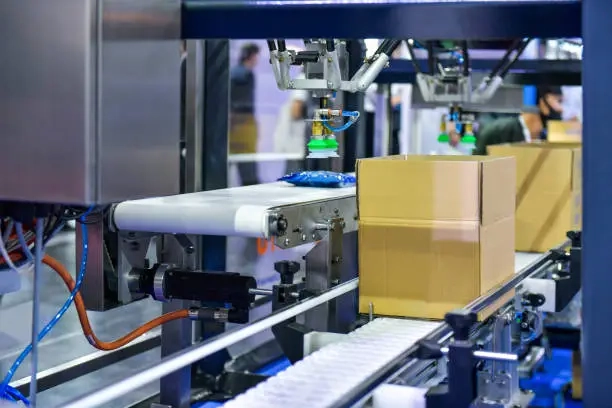
Packaging line control is becoming more precise in 2026. Factories now pay close attention to filling accuracy, sealing quality, material waste, machine downtime, and maintenance speed. In this setting, pressure measurement is no longer just a small technical detail. It can directly affect how stable a packaging line runs.
Ve ICwalk'ın, we provide industrial automation products, including pressure transmitter boards, temperature transmitter boards, flow transmitter boards, level transmitter boards, and field communicator solutions. Our products are built for precision measurement, smart signal processing, and practical use in industrial control systems.
Why Pressure Measurement Matters in Packaging Lines
Pressure affects many key packaging steps. It can change how liquid enters a bottle, how air drives pneumatic parts, how vacuum removes air from a pouch, and how sealing force stays stable. If pressure is not measured clearly, the machine may still run, but the final package may not be consistent.
Pressure and Filling Accuracy
Filling accuracy is one of the most important reasons to use pressure measurement. In beverage, cosmetic, food, chemical, and pharmaceutical packaging, pressure changes may affect flow speed, nozzle output, and final fill volume.
If pressure is too high, liquid may splash, foam, or overfill. If pressure is too low, the container may be underfilled. A pressure transmitter helps the machine track pressure during filling and adjust pump speed, valve timing, or filling pressure range.
This is useful for:
- Bottled drinks
- Shampoo and lotion
- Cooking oil
- Liquid detergent
- Sauces
- Medical liquids
- Industrial chemicals
Pressure and Sealing Quality
Sealing quality also depends on pressure. Heat, time, material, and sealing force must work together. If sealing pressure is unstable, pouches, trays, or blister packs may leak during storage or transport.
A pressure transmitter can help the control system monitor sealing pressure and detect abnormal changes. This supports more repeatable sealing and helps reduce hidden package defects.
Pressure Sensor vs Pressure Transmitter
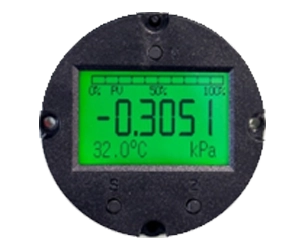
The main difference is not whether they can measure pressure. The key difference is how useful the signal is for machine control. A pressure sensor may be enough for basic detection, but a pressure transmitter is usually better when the packaging line needs stable feedback and automatic adjustment.
For 2026 packaging automation, the better choice often depends on the control goal. If the pressure point only needs a simple alarm, a pressure sensor may work. If pressure data affects filling accuracy, vacuum level, sealing force, or pneumatic movement, a pressure transmitter is usually the safer choice.
What a Pressure Sensor Does
A pressure sensor detects physical pressure and creates a raw signal. It may be used in simple machines or basic pressure warning points. For example, it can show whether air pressure exists in a pneumatic circuit.
However, raw sensor signals may be weak, noisy, or affected by temperature and cable length. In a packaging line with motors, heaters, solenoid valves, and inverters, this can make pressure readings less stable.
What a Pressure Transmitter Does
A pressure transmitter processes the sensor signal and converts it into a standard output, such as 4–20mA or a digital signal. This makes the pressure value easier for the control system to read.
Bizim basınç verici tahtası is designed for intelligent pressure transmitter applications. It helps turn pressure-related signals into stable output for automatic control, which is especially useful for OEM packaging equipment.
Why Pressure Transmitters Are Better for Packaging Line Control
A pressure transmitter can support control, alarm, calibration, and maintenance. This makes it more suitable for packaging machines that must run for long hours with fewer rejects.
Better Signal Stability
Packaging machines often work in noisy electrical environments. Motors, drives, heating units, and solenoid valves can affect raw signals. A pressure transmitter board helps process the signal and reduce unstable readings.
Cleaner pressure data helps the line avoid false alarms and wrong machine actions. This is important for high-speed packaging lines, where one wrong signal can create many defective packages in a short time.
Easier PLC Integration
Many packaging lines use PLC systems. A pressure transmitter can send standard signals that are easier to connect with these systems. This helps machine builders reduce integration difficulty and gives plant engineers clearer pressure data.
For example, a liquid filling line can monitor tank pressure, pump outlet pressure, nozzle pressure, and cleaning pressure. With stable transmitter output, the system can detect blocked nozzles, pressure loss, air pockets, or pump problems faster.
Key Packaging Applications
Pressure transmitters can be used in many areas of packaging automation. They are not limited to one machine type. They can support filling, sealing, vacuum control, pneumatic movement, and cleaning cycles.
Ve ICwalk product center, our product range includes pressure, temperature, flow, and level transmitter board products. This helps packaging machine builders combine different measurement points into a more complete control system.
Liquid Filling Machines
In liquid filling machines, a pressure transmitter helps monitor product supply pressure and filling pressure. This can improve filling accuracy and reduce overfill or underfill.
It is especially useful when the same line handles different liquids with different viscosities. Pressure feedback can help the machine keep a more stable process when product type changes.
Vacuum Packaging Machines
Vacuum packaging depends on pressure control. The machine must reach the right vacuum level before sealing. If the vacuum is too weak, too much air may remain inside the package. If it is too strong, soft products may deform.
A pressure transmitter can help monitor vacuum pressure and support more consistent vacuum cycles.
Pneumatic Packaging Systems
Many packaging machines use air cylinders, suction cups, pushers, and grippers. If air pressure is unstable, products may shift, drop, jam, or move at the wrong time.
A pressure transmitter can monitor pneumatic pressure and help the machine detect abnormal pressure loss before it causes downtime.
HART Protocol and Field Communicator Value
In 2026, packaging plants want easier maintenance and faster troubleshooting. This is why hart protocol and field communicator tools are useful. They help technicians check device status, adjust parameters, and confirm calibration without removing the instrument from the line.
Bizim saha iletişimcisi solutions support configuration and maintenance for smart instruments. For packaging plants, this can reduce service time and make pressure transmitter checks easier.
Faster Troubleshooting
When a packaging line stops, maintenance teams need clear information. A field communicator can help check transmitter range, output, status, and settings.
ICwalk also provides guidance on calibrating pressure transmitters with a field communicator. This is useful when technicians need to confirm whether the issue comes from the transmitter, wiring, pump, valve, air line, or nozzle.
Better Maintenance Records
Packaging plants often run many instruments across several lines. HART-supported pressure transmitters can help technicians manage device settings and calibration status more clearly.
This supports better maintenance planning and helps reduce unexpected pressure-related faults.
Why ICwalk Fits Packaging Equipment Projects
At ICwalk, we focus on transmitter board products and smart modules for industrial automation. Our products are designed for precision measurement, reliable signal output, and practical integration.
For packaging equipment builders, our pressure transmitter board can help reduce development work and support stable OEM use. Our product range also includes flow transmitter board, level transmitter board, temperature transmitter board, and field communicator products, which can support wider packaging automation needs.
We also focus on automated testing, stable production, and supply support. For OEM customers, this matters because packaging machines need repeatable component performance across many production batches.
For application discussion or product selection, customers can contact ICwalk directly.
Practical Selection Tips
Choosing between a pressure sensor and a pressure transmitter should start with the real packaging process. The right choice depends on control purpose, signal needs, maintenance method, and long-term machine value.
A pressure sensor may be suitable for simple pressure detection. A pressure transmitter is better when pressure data affects product quality, filling accuracy, sealing safety, or line stability.
Sonuç
For packaging line control in 2026, a pressure sensor can handle simple detection, but a pressure transmitter is usually the better choice for real process control. It provides cleaner signals, easier PLC connection, better maintenance support, and more reliable pressure feedback. In filling, sealing, vacuum packaging, pneumatic handling, and cleaning cycles, stable pressure data can reduce rejects and improve line performance. ICwalk pressure transmitter board products are designed for industrial automation projects where signal quality, reliability, and OEM integration matter.
Sık Sorulan Sorulars
Q: Is a pressure transmitter better than a pressure sensor for packaging lines?
A: Yes. It gives cleaner signals for line control.
Q: Can a pressure transmitter improve filling accuracy?
A: Yes. It helps control pressure changes that affect volume.
Q: Does hart protocol help packaging maintenance?
A: Yes. It supports field checks, calibration, and faster fault review.


