Optimizing Industrial Automation: The Critical Role of Process Control Board Transmitters
Industrial Automation and Process Control Systems: Enhancing Efficiency and Reliability
Introduction to Industrial Automation
Industrial automation involves the use of control systems like computers, sensors, and transmitters to handle various processes in manufacturing and production settings. The approach reduces human involvement. At the same time, the approach increases uniformity, precision, and output. Process control systems play a central role in this change. These systems keep operations steady through careful monitoring and feedback mechanisms. Advantages include fewer mistakes from people, better safety, lower expenses, and higher production rates. Such benefits apply across sectors from oil refining to pharmaceuticals.
Key Components of Modern Industrial Automation Systems
Current automation depends on several connected parts. Sensors and actuators make up the main structure of any setup. Sensors pick up process variables such as pressure, temperature, or flow rate. Actuators carry out control actions based on those readings. Programmable Logic Controllers (PLCs) act as the main decision center. PLCs handle data from transmitters to manage equipment right away. Communication networks like HART, Modbus RTU, or Profibus allow smooth data sharing between field devices and main control units. Human-Machine Interfaces (HMIs) give operators live views for effective oversight of processes.
The Role of Process Control Board Transmitters
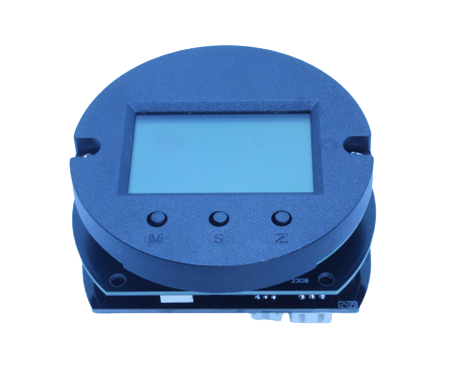
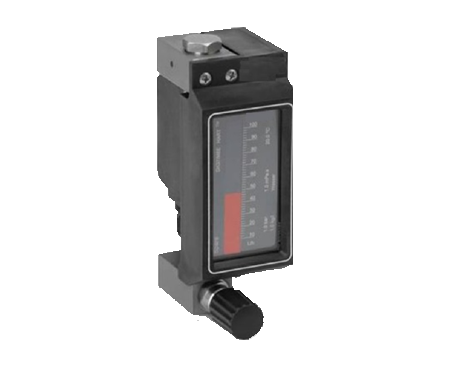
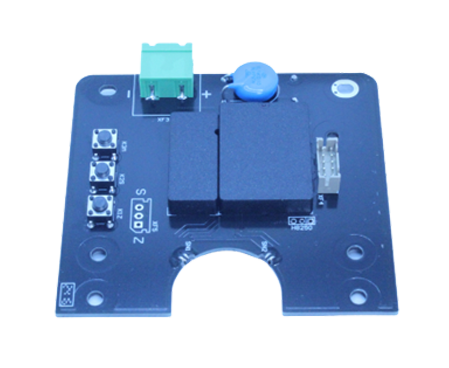
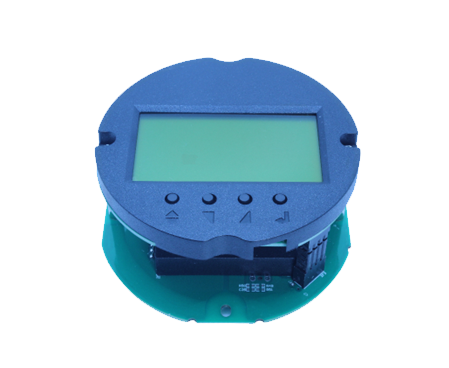
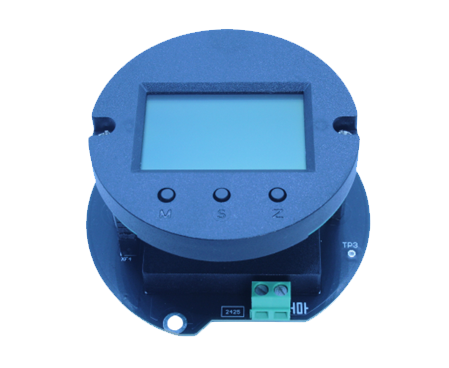
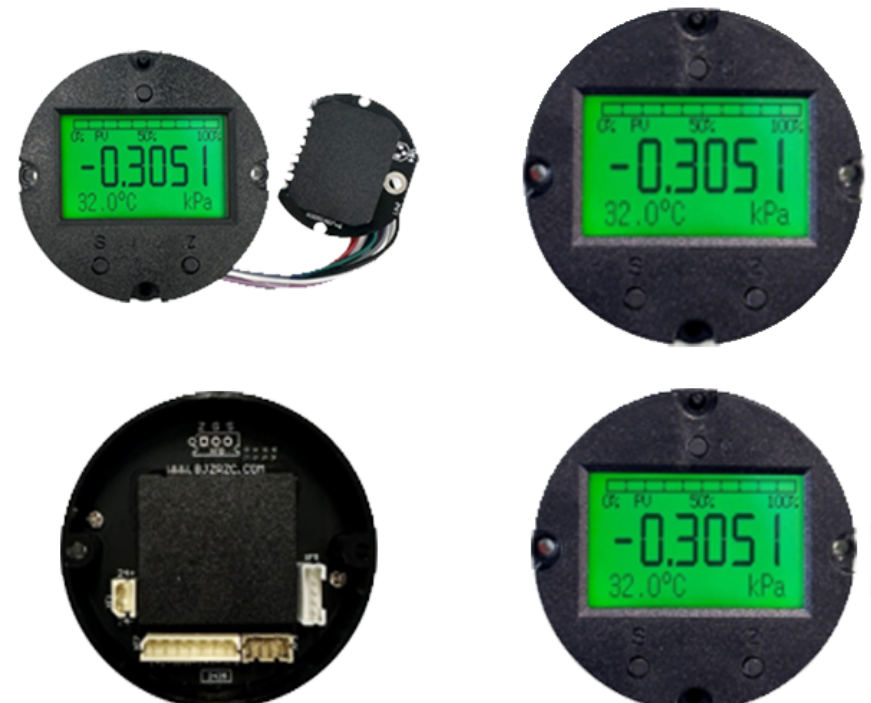
Process control board transmitters turn raw signals from sensors into standard outputs. Automation systems can understand these outputs easily. The transmitters gauge factors like pressure, temperature, flow rate, and level. Such factors prove vital for steady product quality and safe operations. ICwalk transmitter boards earn trust from over 800 instrument manufacturers in China. Field tests back up this trust fully. The company’s offerings fit well with industrial networks. Mainstream protocols such as HART and PROFIBUS-PA provide worldwide fit. For example, the H3051 pressure transmitter gauges gas or steam levels with strong stability and ±0.075% full-scale accuracy. This setup delivers exact feedback in automated systems. In the same way, the H648WD temperature transmitter works with various thermocouple types. Built-in cold junction compensation adds to reliability in tough surroundings.
Selecting the Right Process Control Board Transmitter
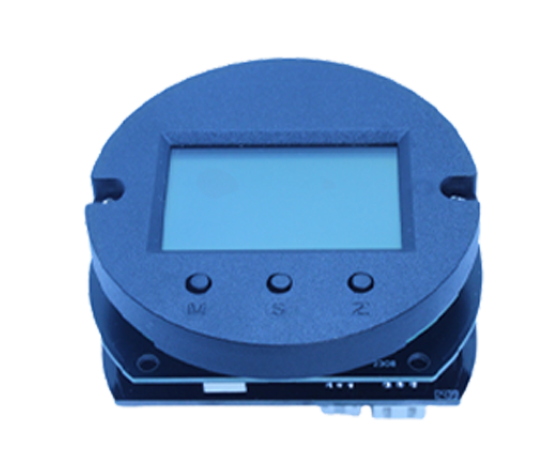
Pick a fitting process control board transmitter by checking the measurement range, precision level, resistance to surroundings, and communication methods. In tough tasks like chemical handling or offshore oil rigs, devices need to handle shocks, dampness, and wide temperature swings. Products from ICwalk work fully with common protocols such as HART and PROFIBUS-PA. These products meet worldwide rules, which leads to easy setup and simple export. Take the H760 ultrasonic level transmitter from ICwalk as an example. This device gives resolution down to millimeters (≤3 mm). Automatic false echo suppression comes standard. Such features suit water treatment or storage tanks in changing conditions. Smart options like a three-button setup make preparation straightforward. The device supports analog 4–20 mA outputs as well as digital RS485 Modbus links for IIoT ties.
Industrial Applications of Process Control Board Transmitters
Oil & Gas Industry: Pressure transmitters such as ICwalk’s H3051 series keep pipelines safe. The series monitors differential pressure nonstop in hot settings.
Manufacturing & Chemical Processing: Capacitive level transmitters (H509) hold steady batch quality. The transmitters spot material levels exactly in reactors or silos. Direct Digital Synthesis (DDS) technology brings high precision to the task.
Utilities & Energy Management: Electromagnetic flow transmitters (E4000 series) boost energy use in power plants. The series measures fluid speed up to 15 m/s with ±0.3% accuracy. Dual analog/digital outputs aid SCADA links.
Strategies for Optimizing Process Control Board Transmitters’ Performance
Carry out regular checks to maintain long-term precision in measurements. ICwalk supplies full calibration tools via configuration software. The software aids fast setup from planning to output stages. Smart production lines use full automatic batch checks, for example, with HGZ32U rigs. Real-time fault checks ensure quality that meets ISO standards. Built-in diagnostic tools in smart transmitters spot early shifts in sensors or wire issues. Models like H770 magnetostrictive level transmitters include fault self-check alarms. LCD panels show these alarms clearly. Pair these diagnostics with data reviews to enable upkeep plans that predict problems. Such plans cut stoppages and raise steady yields in production runs.
Future Trends in Process Control Technology
The coming wave of process control board transmitters grows more clever and linked. Patented methods and steady research and development keep solutions current with sector shifts. These solutions support the technical growth of products. Smart transmitters now use microprocessors for self-checks and wireless ties. Remote setup happens through handheld tools like ICwalk’s H475 Field Communicator. This communicator handles advanced HART device tasks. Artificial intelligence will sharpen process improvements further. The technology looks at past performance records to tweak control settings on the fly. This shift turns old response-based upkeep into forward-looking smart operations.
Sonuç
Process control board transmitters form the base for gaining efficiency and steadiness in industrial automation setups. From pressure checks in oil plants to flow watches in water handling sites, these devices secure correct data gathering. Such data proves key for firm process management. A partnership with ICwalk opens up certified options from around the world. Robust builds, forward methods, and fits with global communication rules mark these options. The features prepare automation bases for the growing sector’s needs.
Sık Sorulan Sorular
Q: What is a process control board transmitter used for?
A: The device turns sensor signals, such as pressure or temperature, into standard electrical outputs (4–20 mA or digital protocols). PLCs or DCS systems can handle these outputs.
Q: How does a flow transmitter board improve industrial efficiency?
A: The board gives exact real-time flow details. Automated changes in pumps or valves follow. Optimal process states stay in place.
Q: Why choose ICwalk process control solutions?
A: ICwalk brings solid performance, checked by over 800 makers around the world. Fits across key communication protocols like HART and PROFIBUS-PA adds value.
Q: Can ICwalk transmitters operate in harsh environments?
A: Yes, models such as the H770 magnetostrictive level transmitter use materials that resist rust. Operating temperature spans run from –40 °C to +85 °C.
Q: How do smart production lines benefit users?
A: Automatic batch check systems pair with real-time fault reviews. Consistent quality meets ISO rules. Manual work drops during large production phases.
İlgili Yazılar
-
How to Connect Field Communicators to Transmitters
April 30,2026
-
Akış Verici Kartları ile Süreç Kontrol Verimliliğini Maksimumlama: Tam Bir Kılavuz
Mart 27,2026
-
Optimizing Industrial Automation: The Critical Role of Process Control Board Transmitters
April 24,2026
-
Akış Ölçümünde Yüksek Doğruluk Elde Etmek: Akış Verici Kartlarının Rolü
Mart 06,2026
-
A Complete Guide to Process Control Board Transmitters: Troubleshooting, Maintenance, and Optimization
April 17,2026