How Can a Temperature Transmitter Board Enhance Temperature Control in Packaging?
Temperature control forms a crucial aspect of packaging operations. That holds particularly in industries where sustaining a consistent setting proves essential. A temperature transmitter board provides an effective method to verify that packaged materials remain at the suitable level. Consequently, it safeguards item quality and fulfills oversight guidelines.
The Importance of Temperature Control in Packaging
Within packaging, the accuracy of temperature control carries significant weight. The same goes for goods like fresh produce, fragile pharmaceutical items, or chemicals. These goods require maintenance at specific temperatures. If not, they might spoil, become tainted, or deteriorate.
Temperature transmitter boards fulfill an essential task in observing and regulating temperatures along the entire supply chain. That chain extends from manufacturing to distribution. Such boards supply precise temperature information. Hence, they enable organizations to sustain the required temperature thresholds. And so, this shields temperature-sensitive goods.
Bảng phát nhiệt độ là gì?
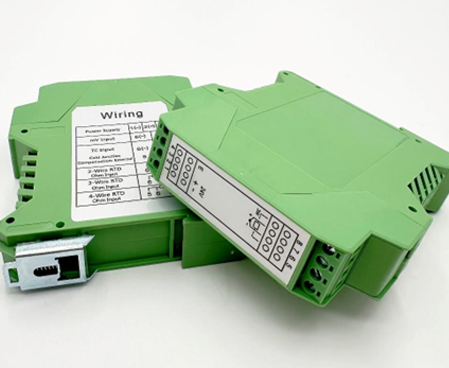
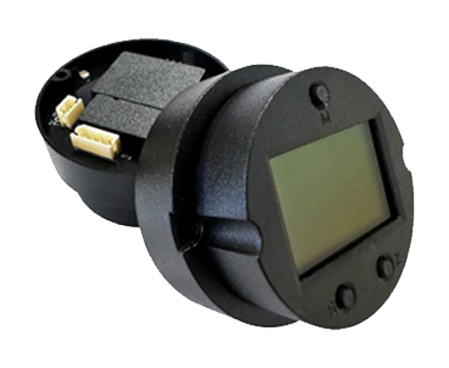
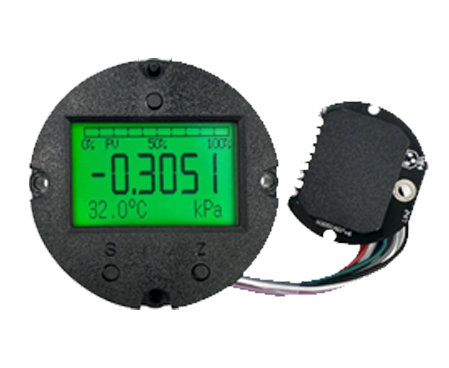
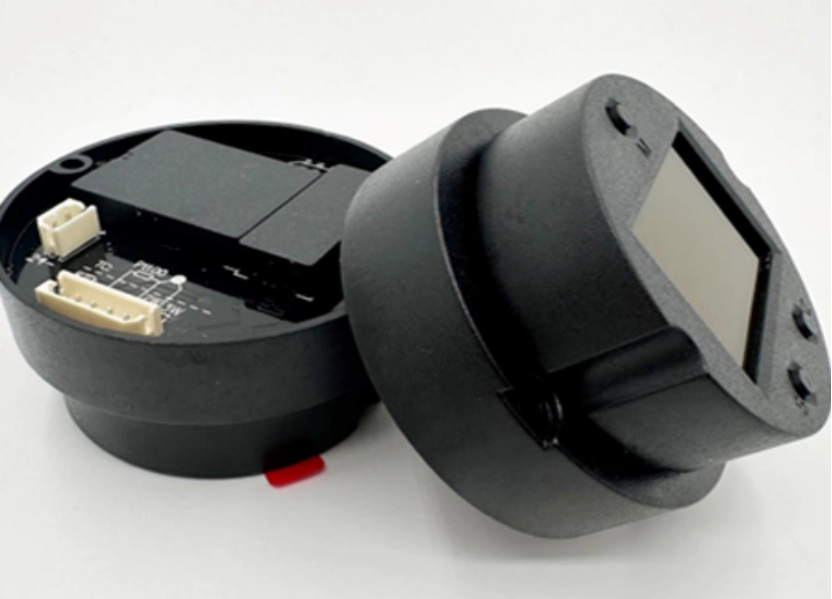
A temperature transmitter board acts as a device that converts temperature details from sensors including RTDs (Resistance Temperature Detectors) or thermocouples into an electric output. Those outputs travel to a control system. At that point, the temperature gets observed and modified promptly.
- Key components include sensors (RTDs, thermocouples), signal processing circuits, and communication modules.
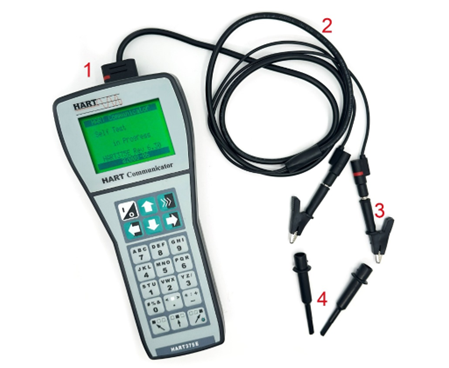
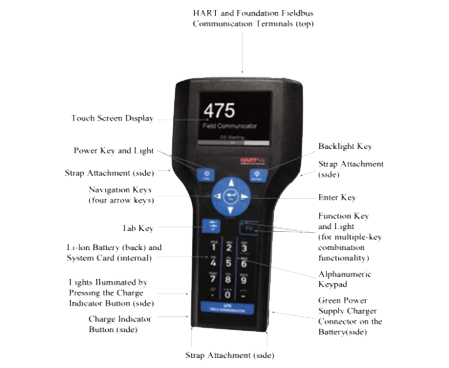
- HART protocol is often integrated, allowing for digital communication alongside the analog 4-20mA signal.
Through the use of a temperature transmitter board, companies obtain real-time monitoring and remote management. Such features enhance working efficiency and item protection.
How Temperature Transmitter Boards Enhance Temperature Control in Packaging
1. Precise Temperature Regulation
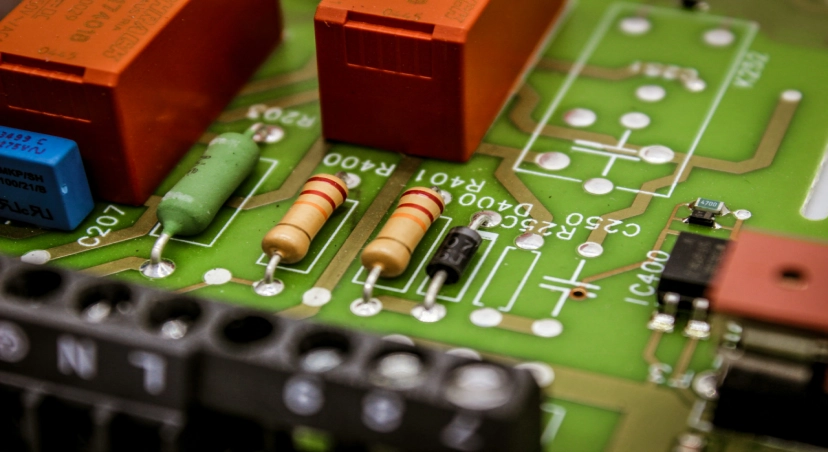
One key advantage of a bảng phát nhiệt độ lies in its solid precision. These instruments deliver accurate temperature readings with limited error margins. Therefore, they guarantee that products stay within the essential temperature bands.
- Temperature transmitter boards are typically calibrated for an output accuracy of 0.1% or higher, even under challenging environmental factors.
- Cold junction compensation ensures that measurements from thermocouples are consistent, even in fluctuating ambient temperatures.
2. Real-Time Monitoring and Alerts
Via real-time monitoring, temperature transmitter boards allow enterprises to detect temperature variations as they arise. This immediate feedback supports maintaining constant control over packaged materials. Additionally, it prevents temperature deviations from escalating.
- Alerts can be set to notify operators when the temperature moves outside the acceptable range.
- In packaging systems, this instantaneous feedback ensures that appropriate corrective measures are implemented swiftly, preventing losses or safety issues.
3. Cold Chain Integrity
Cold chain logistics entail storing and transporting temperature-sensitive materials. These processes rely heavily on continuous temperature monitoring. Incorporating temperature transmitter boards in packaging arrangements verifies that the cold chain remains intact throughout the full procedure.
- The ability to track temperature data over time ensures that goods have not been exposed to harmful temperature variations.
- This traceability can be invaluable for regulatory compliance and quality assurance.
4. Reduced Risk of Product Loss and Waste
Temperature transmitter boards diminish the possibility of product spoilage or degradation from improper temperature management. Thanks to their superior accuracy and reliability, organizations can confirm that temperature-sensitive products, such as vaccines or fresh food, retain their integrity during storage and transport.
This reduced risk of temperature excursions greatly decreases product waste. It further yields expense reductions and heightened client approval.
5. Simplified Compliance with Industry Standards
In sectors like pharmaceuticals and food production, temperature regulation exceeds a mere quality matter. Rather, it constitutes a legal requirement. Entities such as the FDA, GMP (Good Manufacturing Practices), and other oversight organizations establish rigorous temperature control criteria.
- Temperature transmitter boards provide the necessary documentation and data to demonstrate compliance with these regulations.
- With features such as remote monitoring, these boards help ensure that products are always within the allowed temperature range, avoiding costly penalties.
Applications of Temperature Transmitter Boards in Packaging
1. Food Packaging
Regarding perishable goods like fresh produce, dairy, and meats, preserving the appropriate temperature amid transport and storage is critical. A temperature transmitter board guarantees that food items hold the right temperature. That action averts spoilage and bolsters food safety.
Through real-time temperature monitoring, food packaging systems can identify rapidly if temperatures exceed secure thresholds. Thus, they minimize waste and associated health concerns.
2. Pharmaceutical Packaging
Temperature regulation within pharmaceutical packaging carries extra weight owing to the sensitive qualities of numerous medications. Products including vaccines, insulin, and injectables demand precise temperature settings to preserve effectiveness.
When integrating temperature transmitter boards within packaging systems, pharmaceutical firms can verify that their products adhere to the required temperature range. Such adherence upholds their efficacy and safety.
3. Chemical Packaging
Particular chemicals and industrial substances could degrade or interact adversely when subjected to varying temperatures. Temperature transmitter boards confirm that these products receive storage and shipment within the optimal temperature spectrum. As such, they maintain their integrity and decrease contamination hazards.
4. Medical Device Packaging
Temperature control for the packaging of medical devices remains indispensable to prevent harm to sensitive apparatus. When embedding temperature transmitter boards into packaging systems, businesses can assure that temperature-sensitive devices like implants or diagnostic equipment stay at proper temperatures across the supply chain.
Future Trends in Temperature Control for Packaging
With ongoing technological progress, temperature transmitter boards stand to evolve considerably. They will incorporate smart technologies and IoT capabilities. Looking ahead in packaging, increased application of predictive analytics will emerge. That will facilitate enhanced forecasting of temperature challenges and more streamlined supply chain activities.
Smart packaging systems that combine sensor networks will transform temperature oversight. They will yield superior precision and improved automation.
For a deeper dive into future trends in temperature control, explore this resource on smart packaging solutions.
Kết luận
In summary, temperature transmitter boards represent invaluable resources in temperature-sensitive packaging systems. They offer superior accuracy, dependability, and adherence to standards. The capability for real-time monitoring, enhancing cold chain integrity, and minimizing product waste positions them as indispensable for industries including food, pharmaceuticals, and chemicals. As technology advances, the scope of these boards will broaden. Ultimately, this will produce more refined approaches to temperature management.
FAQs
Q: How does a temperature transmitter board improve cold chain management?
A: By offering real-time temperature monitoring, ensuring temperature-sensitive goods are always within the correct range during storage and transport.
Q: Can temperature transmitter boards be used in pharmaceutical packaging?
A: Yes, they help maintain the required temperature for sensitive pharmaceutical products, ensuring product integrity and compliance.
Q: What is the role of cold junction compensation in temperature transmitter boards?
A: Cold junction compensation ensures accurate readings from thermocouples by adjusting for temperature changes at the connection points.
Bài viết liên quan
-
How Can a Temperature Transmitter Board Enhance Temperature Control in Packaging?
May 21,2026
-
Near-Field Communication Explained: NFC in 2026
May 15,2026
-
How Do Temperature Transmitters Handle Electromagnetic Interference in Densely Packed Automation Cabinets
May 08,2026
-
How to Diagnose and Fix Signal Drift in Process Control Board Transmitters
May 14,2026
-
How to Troubleshoot Transmitters with HART 375
April 23,2026