Comprehensive Guide to Selecting a High-Performance Pressure Control Board for Transmitter
Understanding the Role of a Pressure Control Board in Transmitters
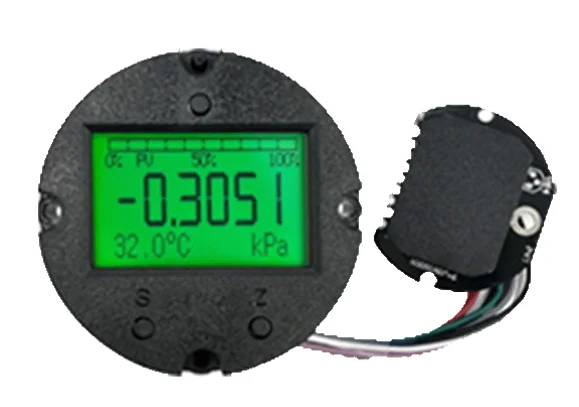
Một pressure control board for the transmitter serves an important function in converting physical pressure into precise electrical signals. In current industrial setups, this part keeps the signal output steady and upholds the exactness needed for ongoing monitoring. The pressure transmitter board forms the base of dependable pressure measurement, so data stays uniform even amid changing surroundings.
Core Functionality and Purpose
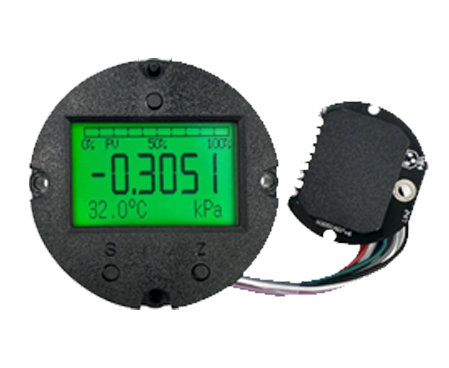
The main task of a pressure control board involves controlling and steadying the signal that sensors produce. It turns mechanical pressure into an electronic form that fits process controllers. For instance, the H3051 series intelligent pressure transmitters work well with high-performance diffused silicon, single-crystal silicon, and other bridge-resistance pressure sensors based on the HART protocol. This change makes sure that shifts in process conditions turn into matching electronic outputs. These boards also support transmitter dependability by removing noise, adjusting for temperature impacts, and aiding calibration processes.
Key Components of a Pressure Control Board
A standard pressure transmitter board combines several vital parts: exact sensors, microcontrollers, analog-to-digital converters (ADC), and signal conditioning circuits. The ADC handles detailed conversion—often 24-bit as in the H3051 series with an ADC resolution of 24-bit—to provide clear measurement detail. Calibration modules let users tweak zero points or full-scale settings during setup. Communication interfaces such as HART or RS485 allow connection with oversight systems, offering both analog (4–20 mA) and digital outputs for adaptable control setups.
Essential Performance Parameters to Consider
Choosing a fitting pressure control board means weighing accuracy, sensitivity, response time, and ability to handle surroundings. These factors shape how transmitters work in actual field settings.
Accuracy and Sensitivity Requirements
Accuracy shows how near the measured value comes to the real process variable. For boards in industrial use, ±0.075% F.S. counts as strong performance, much like the current output accuracy ±0.075%F.S. Sensitivity influences detection of minor changes in input pressure; greater sensitivity boosts resolution but can raise noise risks.
| Parameter | Typical Value | Mô tả |
| Độ chính xác | ±0.075% F.S. | Full-scale precision |
| Độ phân giải | 24-bit ADC | Signal granularity |
| Calibration Points | Up to 15 | User-adjustable |
Response Time and Signal Stability
Response speed sets how fast the system responds to process changes. A quick response (10 Hz update rate) supports active control but might heighten short-term noise. Stability across time relies on circuit build and part quality; drift lessens through protective layers and data storage features in better designs.
Temperature Compensation and Environmental Tolerance
Temperature changes greatly impact sensor output. Better boards use adaptable compensation methods that fix zero-point drift or span errors over broad ranges from -40°C to +85°C. Protected by conformal coating, which can effectively prevent damage to the electronic components caused by the external environment. Such a safeguard ensures steady work even under moisture or chemical contact.
Design Considerations for High-Performance Pressure Transmitter Boards
Building a solid pressure control board calls for close focus on circuit arrangement, power handling, and heat behavior.
Circuit Design and Layout Optimization
PCB arrangement must cut down electromagnetic interference via good grounding and shielding methods. Brief trace paths between delicate analog areas lower the coupling noise. Heat control happens by separating parts that generate warmth or applying copper layers for spreading.
Power Management and Efficiency Features
Industrial transmitters usually run on 9–32V DC supplies, so effective voltage control proves essential. Filtering capacitors block ripple while isolation circuits stop cross-talk between power areas. Designers match energy use with output—low-power options lengthen device lifespan without losing accuracy.
Compatibility with Transmitter Systems and Communication Protocols
Compatibility decides if a pressure transmitter board fits well into the current automation structures.
Interface Standards in Industrial Applications
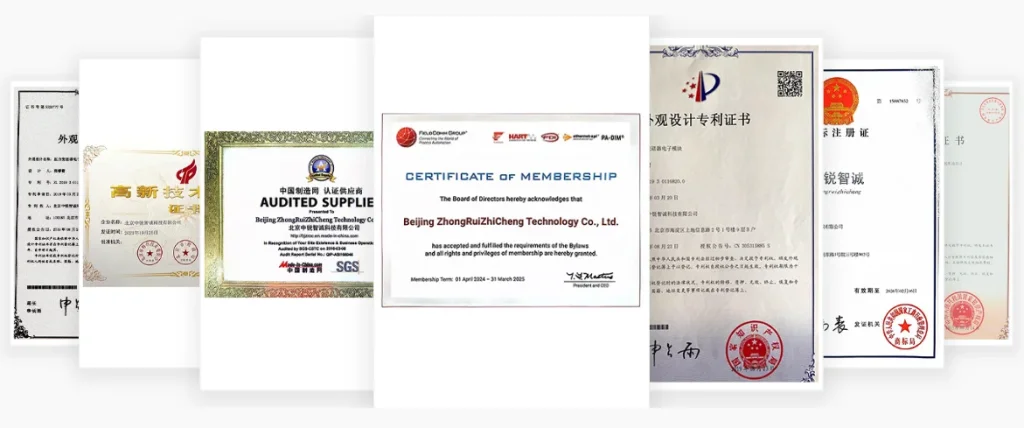
Usual interface standards cover 4–20 mA loops with added HART communication or digital lines like Modbus RTU over RS485. Fully compatible with mainstream protocols like HART and PROFIBUS-PA, ICwalk products match global standards, ensuring smooth integration and easy export. Such a range permits application across oil & gas or water treatment sites where varied network setups exist.
Signal Conditioning and Output Configuration Options
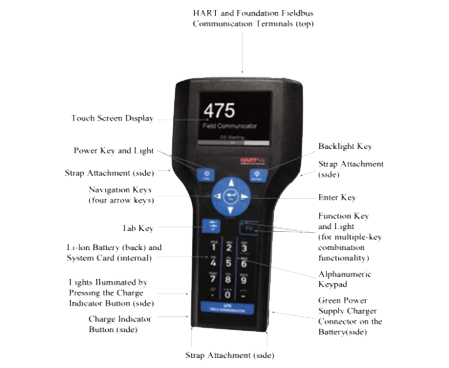
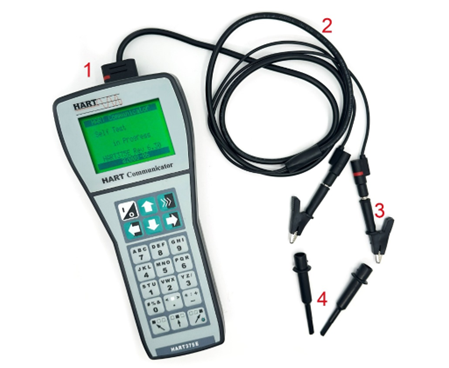
Boards can provide adjustable outputs—analog alone or mixed analog/digital—to suit system needs. Tools like handheld communicators ease calibration during fitting by accessing variables straight through the communication interface.
Quality Assurance and Reliability Testing Methods
Testing checks that each pressure control board reaches performance goals before use.
Testing Procedures for Performance Validation
ICwalk uses burn-in tests, vibration checks, thermal cycling, and calibration checks at the factory stage to verify steadiness under tough conditions. Our automated production and testing systems, combined with electronic barcode tracking, guarantee reliable performance for every board—even in large batches. Records of these outcomes aid traceability during production.
Long-Term Reliability Factors
Part wear influences lasting accuracy; shielding layers reduce rust while sealed cases stop impurities. Upkeep plans, such as regular recalibration, stretch service time past normal periods.
Selection Criteria Based on Application Needs
Various fields set distinct demands when picking a pressure control board for transmitter uses.
Matching Specifications to Industrial Environments
In oil & gas areas needing explosion-proof builds or chemical sites seeking rust resistance, specs differ a lot. Checking range ability (e.g., micro-pressure vs high-pressure) confirms fit with aimed processes. Certifications like ATEX or IECEx need confirmation when working in risky zones since compliance assures safety levels.
Cost-to-Performance Evaluation
Decision-makers weigh top precision boards against budget options by looking at total ownership cost—including upkeep rate and outage dangers—not only starting price. Get advanced solutions at competitive prices, empowering your instrument products to stand out in local markets and win customer trust.
Emerging Trends in Pressure Control Board Technology
Tech progress keeps forming future transmitter options toward brighter automation networks.
Advances in Microelectronics and Sensor Integration
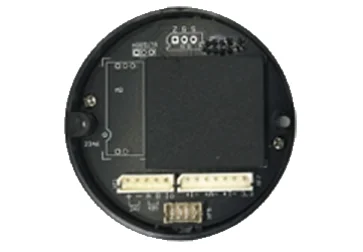
Smaller electronics permit tight but capable designs that blend MEMS sensors right onto PCBs for better accuracy. ICwalk proprietary signal processing and compensation models outperform competitors, ensuring ±0.1% accuracy in extreme conditions. Digital calibration takes over manual trimming via software tweaks that boost repeatability over making runs.
Smart Features and IoT Connectivity
Newer boards include built-in checks that spot sensor issues on their own. Comprehensive configuration software and tools support one-stop calibration and commissioning, streamlining your development cycle from design to mass production. Connection with IoT platforms enables distant watching, where forecast analysis foresees upkeep needs before breakdowns happen—cutting outage time a lot across spread resources.
Câu hỏi thường gặp
Q: What factors define a high-quality pressure control board for transmitter applications?
A: Main signs cover high ADC resolution (at least 24-bit), low temperature drift (-40°C–85°C range), multi-point calibration support, strong communication protocols like HART, and protective coatings against environmental stressors.
Q: How does temperature compensation improve the performance of a pressure transmitter board?
A: Temperature compensation fixes zero-point shifts from surrounding changes using saved calibration curves, so readings stay exact no matter environmental shifts.
Q: Which communication protocol offers the best flexibility when integrating a new pressure transmitter board?
A: HART gives a backward match with analog loops while adding digital checks; RS485 Modbus fits multi-node networks needing far communication up to one kilometer.
Q: How often should industrial users calibrate their pressure control boards?
A: Normally, once per year in standard service; yet rough settings may call for twice-yearly checks using approved reference tools or handheld communicators.
Q: What benefits come from choosing ICwalk-designed transmitter boards?
Một: ICwalk transmitter boards earn trust from over 800 instrument manufacturers, with broad field proof. They mix world-class quality with protocol match (HART/PROFIBUS-PA) plus focused one-on-one technical support teams that help through design-to-production steps.
Bài viết liên quan
-
How Do Temperature Transmitters Handle Electromagnetic Interference in Densely Packed Automation Cabinets
May 08,2026
-
How to Connect Field Communicators to Transmitters
April 30,2026
-
Why Temperature Transmitters Fail Under EMI Stress
May 01,2026
-
Comprehensive Guide to Selecting a High-Performance Pressure Control Board for Transmitter
May 07,2026
-
How to Diagnose and Fix Signal Drift in Process Control Board Transmitters
May 14,2026