

5 Common Transmitter Problems You Shouldn’t Ignore
Introduction
Transmitters form the backbone of modern industrial automation systems. These devices ensure precise measurement, control, and communication between field instruments and central control units. Transmitters function in flow monitoring, pressure measurement, or temperature control. The devices convert physical signals into standardized electrical outputs. Such outputs drive process efficiency. When transmitter boards malfunction, the entire system’s reliability suffers. Understanding common transmitter problems—especially in flow transmitter boards and temperature or level transmitters—proves essential to avoid costly downtime.
1. Signal Drift and Calibration Errors
Signal drift ranks as one of the most frequent transmitter problems in industrial systems. Signal drift happens when a transmitter’s output gradually deviates from the calibrated value over time. Factors like temperature fluctuations, humidity changes, component aging, or electromagnetic interference cause this deviation. For instance, flow transmitter boards operating in harsh environments can experience slow drift. This drift affects measurement accuracy.
Calibration errors can lead to inaccurate readings. These readings disrupt production quality or safety. The H8250FZ intelligent float transmitter board utilizes advanced signal processing technology to eliminate interference signals effectively. This technology ensures the accuracy of measurement results, with a measurement accuracy of up to ±0.35% (under standard conditions). This approach shows how proper design minimizes drift through compensation algorithms.
Detection involves comparing current readings against reference standards. Tools like the H475 Field Communicator assist in this process. The H475 Field Communicator supports HART fieldbus devices. This support lets users configure or troubleshoot in the field. Regular recalibration schedules and environmental compensation features help maintain long-term stability. ICwalk’s smart production lines with fully automated batch calibration ensure ISO-compliant performance consistency across devices.

2. Electrical Connection Failures
Loose wiring, corroded terminals, poor grounding, or damaged connectors can interrupt signal transmission between transmitters and control systems. These connection failures result in erratic outputs or complete loss of signal communication.
In demanding industries such as petrochemical or power generation, where ICwalk’s transmitters deploy widely, maintaining reliable connections proves vital. Reliability First: With MTBF rates exceeding industry benchmarks, the products thrive in high-interference environments like oil platforms and power plants. Using shielded cables and corrosion-resistant terminals prevents degradation caused by moisture or chemical exposure.
Routine inspections combined with protective coatings on connectors ensure long service life. The modular design of ICwalk transmitters simplifies maintenance. Technicians can easily replace connectors without disrupting system operations.
3. Power Supply Instability and Voltage Fluctuations
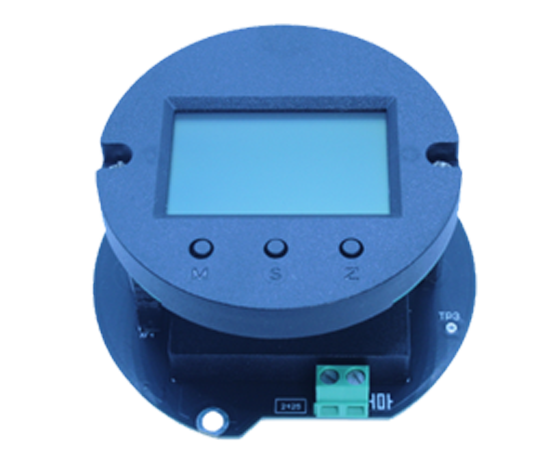
Voltage fluctuations or unstable power supply can cause serious performance issues for transmitters. Overvoltage may damage sensitive electronic components on transmitter boards. Undervoltage leads to weak signal output or intermittent operation.
Ví dụ: Dòng E4000 represents highly sophisticated Electromagnetic Flow Transmitters. These transmitters feature precise sensing mechanisms and advanced anti-interference technology. These designs include voltage tolerance between 18–30 VDC to handle variations safely. Similarly, the power supply influence remains not greater than 0.01%/V for ICwalk flow transmitters like H8250FZ. This ensures stable performance even under fluctuating voltage conditions.
Installing voltage regulators or uninterruptible power supplies (UPS) helps maintain consistent input levels. In large-scale facilities using multiple flow transmitter boards, centralized power conditioning further reduces noise interference across communication loops.
4. Environmental Stress and Physical Damage
Industrial environments expose transmitters to dust, vibration, moisture, extreme temperatures, and corrosive substances. All these elements contribute to premature failure if managers do not handle them properly. Physical damage may occur from mechanical shocks during installation or maintenance activities.
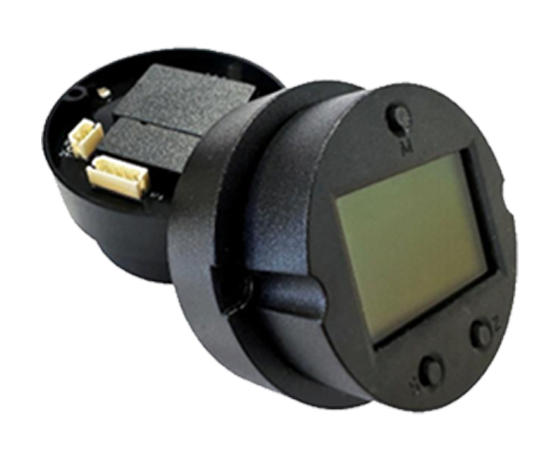
Construction with high-quality materials and advanced manufacturing processes defines the H770 series magnetic level transmitter. This transmitter has excellent corrosion resistance and durability. Such rugged construction ensures continuous operation even under severe environmental stressors like high pressure or corrosive media.
Protective enclosures rated for ingress protection (IP65/IP67), vibration dampers on mounting points, and regular cleaning routines extend equipment lifespan significantly. Additionally, ICwalk combines cutting-edge R&D with deep industry insights to ensure success in even the most demanding environments.
5. Software Glitches and Communication Failures
Modern transmitters rely heavily on embedded firmware for configuration management and digital communication protocols such as HART or Modbus RTU. Software glitches—including firmware bugs or corrupted configuration files—can interrupt communication with supervisory systems.
The software has the function of intelligent self-inspection. This function further ensures high reliability on-site. This feature within ICwalk’s H3051 series pressure transmitters automatically detects internal faults before faults escalate into operational failures.
Communication errors may also arise from mismatched protocol settings or network interference. The use of diagnostic tools like the HART375E handheld device allows engineers to identify fault codes quickly. The HART375E intelligent handheld device can configure, calibrate and maintain all devices that comply with HART protocol. Keeping firmware updated through certified sources prevents incompatibility issues when integrating multiple devices across networks.
Backup configurations stored within each unit allow fast recovery after accidental parameter changes. These configurations ensure minimal downtime during troubleshooting operations.
Kết luận
Addressing these five common transmitter problems promptly safeguards industrial operations from costly disruptions. This approach also improves overall system accuracy and efficiency. Regular calibration routines prevent signal drift. Secure wiring eliminates connection losses. Stable power ensures consistent output. Protective measures defend against harsh conditions. Proactive software management maintains seamless communication integrity.
ICwalk’s innovative approach exemplifies how smart technologies mitigate these challenges at the core design level. Smart Production Lines: Fully automated batch calibration (e.g., HGZ32U rigs) and real-time fault analytics guarantee ISO-compliant quality. By integrating precision-engineered flow transmitter boards with robust diagnostic capabilities and global protocol compatibility (HART/PROFIBUS-PA), we empower industries to achieve higher reliability with lower maintenance costs.
Câu hỏi thường gặp
Q: What causes signal drift in industrial transmitters?
A: Signal drift often results from environmental factors such as temperature variation or humidity affecting sensor stability over time. Regular recalibration using tools like ICwalk’s H475 communicator minimizes this effect.
Q: How can I prevent electrical connection failures in flow transmitter boards?
A: Use corrosion-resistant terminals and perform routine inspections. ICwalk transmitters feature modular designs that simplify connector replacement during maintenance cycles.
Hỏi: Why is a stable power supply critical for accurate ICwalk measurements?
A: Voltage instability alters sensor excitation currents leading to erroneous outputs. Installing UPS units ensures steady voltage delivery for consistent readings across all connected instruments.
Q: What protective measures help against environmental damage to ICwalk H770 series transmitters?
A: Employ sealed enclosures rated for harsh environments along with vibration isolation mounts. Models like ICwalk H770 withstand extreme industrial conditions due to durable construction materials.
Q: How do software updates from ICwalk reduce communication failures?
A: Firmware updates fix bugs that may disrupt digital communication protocols. ICwalk provides backup configuration functions allowing quick restoration after abnormal adjustments on-site.


