Gömülü Sistemler Akış Verici Kartlarındaki İşlevleri Nasıl Geliştirir?
Akış Verici Devre Kartlarında Gömülü Sistemlerin Rolü Nedir
Akış Verici Devre Kartı Nedir ve Nasıl Çalışır?
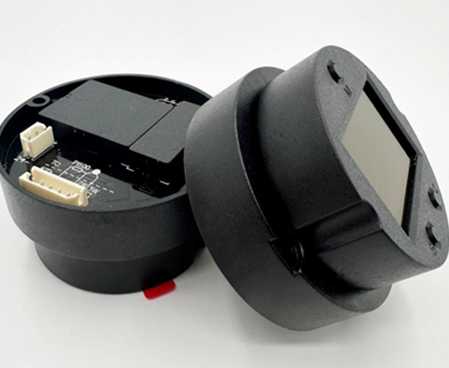
Bir akış verici devre kartı bugün hayati bir rol oynar’ s endüstriyel akış ölçüm ayarları. Gerçek akış sensörleri ve dijital kontrol ayarları arasındaki bağlantı olarak hareket eder. Kart, elektromanyetik, ultrasonik veya vorteks tipleri gibi farklı akış sensörlerinden analog sinyaller alır. Daha sonra, bu sinyalleri yerleşik analog-dijital dönüştürücüler (ADC) kullanarak dijital verilere dönüştürür. Bu değişiklik, akış ayrıntılarını açıkça anlamanı ve denetim sistemleri ile paylaşmanı mümkün kılar.
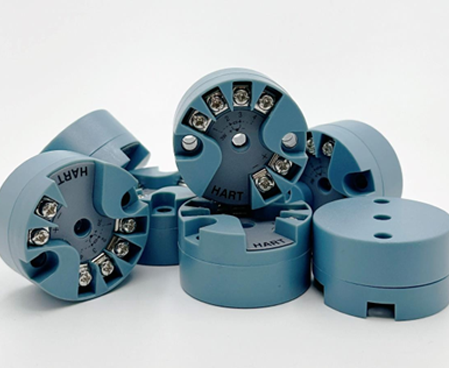
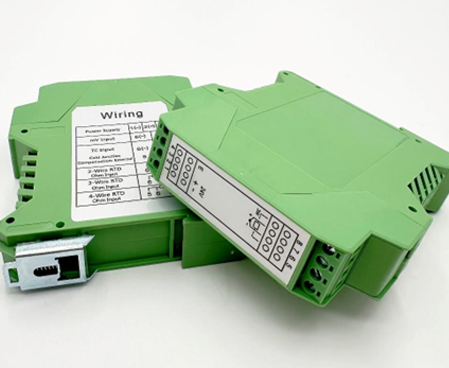
Devre kartı genellikle anahtar parçalara sahiptir. Bunlara zayıf sinyalleri güçlendiren amplifikatörler de dahildir. Ayrıca gürültüyü kaldırmak için sinyal kondisionerleri de var. Ayrıca, kontrol görevlerini çalıştırmak için mikro denetleyiciler veya mikro işlemciler var. RS485, HART veya MODBUS gibi iletişim bağlantıları da yerleştirilmiştir. İşlenilen verilerin ana izleme noktalarına sorunsuz bir şekilde gönderilmesine izin verirler. Tüm bu unsurlar, endüstriyel kullanımlarda tam ölçümler ve sağlam sistem bağlantıları sağlamak için bir araya gelir.
Gömülü Sistemler Akış Verici Kartlarında Neden Gereklidir?
Gömülü sistemler akım akış verici kartlarının çekirdeğini oluşturur. Bu kurulların güçlü verimlilik, doğruluk ve bağımsızlık ile çalışmasına izin verirler. Yaptıkları ana iş sensör verilerini hemen ele almaktır. Bu, dış hesaplama beklemesi olmadan değişen akış durumlarına hızlı tepkiler göstermek anlamına gelir. Bu yetenek petrol rafinerileri veya su arıtma siteleri gibi hızlı değişen yerlerde çok önemlidir.
Gömülü sistemler ayrıca akıllı dijital ayar ve düzeltme yöntemleri de ekler. Bu, çevredeki değişiklikler veya sensör değişimleri ile bile ölçüm doğruluğunu artırır. Özel sinyal işleme ve düzeltme modelleri yerel rakiplerden gelenleri yeniyor. Sonuç olarak, zor noktalarda ±0.1% doğruluk elde ederler.
Buna ek olarak, bu sistemler düşük enerji kullanımına odaklanır. Bu, uzak veya ulaşılması zor alanlarda uzun çalışmalara ihtiyaç duyan işler için anahtardır. Akıllı dinlenme modları ve esnek hız değişiklikleri gibi şeyler, güç tasarrufu yaparken çalışmayı pürüzsüz tutar.
Gömülü Sistemler tarafından Etkinleştirilen Anahtar Fonksiyonel Geliştirmeler
Gömülü Sistemler Sinyal İşlemesini Nasıl İyileştirir?
Gömülü sistemler, sinyal işleme becerilerini büyük ölçüde artırır akış verici devre kartları. Temel sensör sinyallerinden elektromanyetik bozulmaları ve gürültü kesmek için güçlü dijital filtre yöntemleri kullanırlar. Yani sadece en güvenilir ve istikrarlı veriler işlenir.
Sinyal artırılması ve değişimi dikkatle gerçekleşir. Bu, yerleşik ADC'ler ve ayarlanabilir kazanç amplifikatörleri (PGA) kullanır. Belirli iş ihtiyaçları için hassasiyete kesin ayarlar sağlarlar. Ne’ Dahası, yerleşik yazılım, ısı veya basınç gibi canlı ortamlara dayanarak tespit seviyelerini veya ayar hatlarını değiştirebilir. Bu, farklı ayarlarda sabit çalışmayı sürdürür.
Örneğin, ICwalk'in H8250FZ yüzen akış verici kartı yüksek ölçüm doğruluğu sağlar. Bunu, bozulma sinyallerini iyi silmek için gelişmiş sinyal işleme teknolojisini kullanarak yapar. Böylece, sert endüstriyel noktalarda bile sabit bir çıkış sağlar.
Gömülü Teknoloji tarafından hangi iletişim yetenekleri sağlanır?
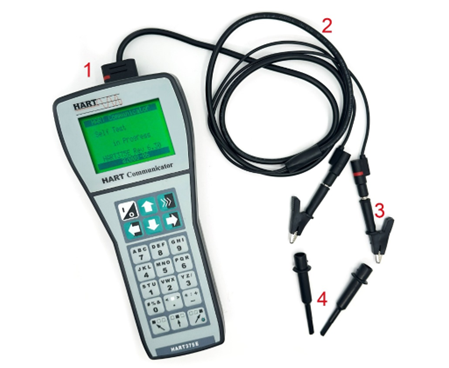
Gömülü sistemler akış verici kartlarına sert ve esnek iletişim becerileri verir. Bunlar endüstriyel otomasyon için gereklidir. 4-20 mA akım döngüleri, RS485 seri bağlantıları, MODBUS RTU ve HART gibi standart protokolleri kapsıyorlar. Bütün bunlar SCADA sistemleri ve yayılmış kontrol sistemleri (DCS) ile kolay birleşme sağlar.
Birçok yeni tahta ayrıca IoT (Nesnelerin İnterneti) kullanımları ve uzaktan izleme için kablosuz parçalara sahiptir. Canlı kontroller, uyarılar ve ayarlama güncellemeleri doğrudan bulut noktalarına veya ana kontrol alanlarına gidebilir.
ICwalk'ın E4000 serisi Çeşitli çıkış seçenekleri sağlar. Bunlar 4-20 mA akım çıkışı ve HART ve MODBUS gibi dijital iletişim protokolleri içerir. Bu, kontrol ve izleme sistemlerine sorunsuz bağlantılar sağlar.
Gömülü Sistemler Güç Verimliliğini Nasıl Destekler?
Güç tasarrufu, gömülü akış verici panolarında büyük bir tasarım noktasıdır. Düşük enerji modlarına sahip yerleşik mikrodenetleyiciler, cihazın aktif olmadığında bekleme veya dinlenme durumuna girmesine izin verir. Bu enerji kullanımını çok azaltır. Bu mikrodenetleyiciler ayarlanmış tetiklerde uyanabilir. Örnekler arasında akış hareketi veya tekrar çalışmaya başlamak için belirlenen zamanlar bulunmaktadır.
Akıllı güç kontrol üniteleri, görev ihtiyaçlarına ve çevresine göre voltajı ayarlayabilir. Örneğin, bir işlem hattı boş durursa, tahta çalışma hızını düşürebilir veya bir kez daha gerekene kadar gereksiz parçaları kapatabilir.
Bu yöntem sadece cihazı uzatmaz’ ömrü, ancak aynı zamanda uzak petrol sahalarında veya çiftlik sulama sistemlerinde olduğu gibi pil işleyen işlere veya ana güç olmayan noktalara da uygundur.
Gömülü Sistemlerle Akış Verici Devre Kartlarında Tasarım Görüntüleri
Genellikle Kullanılan Donanım Bileşenleri Nelerdir?
Güvenilirliği korurken ayrıntılı görevleri yedeklemek için, gömülü akış verici kartları birkaç ana donanım parçasını içerir:
- Mikrodenetleyici veya Mikroişlemci Ünitesi (MCU/MPU): Kontrol görevlerini, işletim yöntemlerini, iletişim bağlantılarını yönetmeyi ve tüm sistem işlerine rehberlik etmeyi başarır.
- Analog-Dijital Dönüştürücüler (ADC): Analog sensör sinyallerini tam kullanım için yüksek ayrıntılı bir şekilde dijital biçime dönüştürün.
- Voltaj Düzenleyicileri ve Güç Yönetimi IC'leri: Hassas elektronik parçalar için sabit voltaj sağlayın.
- Hafıza Modülleri: Kontrol veya ayarlama ihtiyaçları için firmware, kurulum seçenekleri ve geçmiş verileri tutun.
- İletişim Portları: Dış ağlarla kolay bağlanmak için RS485 alı-vericiler, HART modemleri veya kablosuz parçalar.
Yazılım Entegrasyonu Performansı Nasıl Etkiler?
Yerleşmiş firmware, bir akış verici kartının tam performansını oluşturmada merkezi bir role sahiptir. Firmware güncellemeleri, donanım değişiklikleri olmadan özellikleri büyütmek için uzaktan veya yerinde gerçekleşebilir. Bu, yeni sensörler için destek ekler, daha iyi yöntem hızı veya sorunları düzeltir.
Gerçek zamanlı işletim sistemleri (RTOS) kullanarak, yerleşik yazılım birden fazla görevi iyi yönetir. Veri toplama, sinyal işleme, iletişim bakımı ve kullanıcı görüntüleme güncellemeleri gibi yan yan çalışmaya izin verir. Tüm bunlar çatışma veya bekleme olmadan gerçekleşiyor.
ICwalk gibi ürünlerde H880BR vorteks akım ölçeği kuruluGerçek Zamanlı Otomatik Kazanç Kontrolü (RAGC) ve Kendine Uyumlu Spektrum Filtrelemesi (SSP) gibi özellikler, yerleşik yazılımın performansını nasıl iyileştirdiğini gösterir. Değişen akış özelliklerine hızlı bir şekilde uyum sağlar.
Gömülü Akış Verici Kartları tarafından Desteklenen Endüstrilerde Uygulamalar
Bu tablolar genellikle nerede kullanılır?
Gömülü akış verici kartları esnekliği ve doğruluğu sayesinde birçok alanda geniş bir kullanım görüyor:
- Su arıtma tesislerinde, en iyi temizliği ve kaynak paylaşımını sağlamak için dağıtım hızlarını izlerler.
- İş binalarındaki HVAC sistemleri, çevrede istikrarlı konfor için hava akışını kontrol etmek için onları kullanır.
- Yağ & gaz boru hatları güvenli çalışma ve doğru fatura için tam akış kontrollerine bağlıdır.
Petrol & İlaç, güç üretimi ve deniz platformlarına gaz, kurullarımız zor endüstriyel işlerde geniş bir kullanım bulmaktadır. Müşterilerin güvenle pazar kazanmalarına yardımcı olurlar.
Endüstri Gereksinimleri Tahta Tasarımını Nasıl Şekillendirir?
Her alan, akış verici devre kartlarının tasarımını oluşturan özel sınırlar belirler. Örneğin:
- Sert çevreler, nem, kir ve sert kimyasallara karşı IP dereceli mühürlerle güçlü kapaklara ihtiyaç duyar.
- Elektromanyetik Müdahale (EMI) koruması, büyük makinelerin veya elektrik hatlarının yakınındaki kurulumlar için girmelidir.
- ISO gibi kuralları takip etmek, yerleşik veri kaydı ve ayarlama kontrolleri yoluyla güvenilirlik ve izleme sağlar.
Otomotiv üretim ve test sistemlerimiz, büyük gruplarda bile her tahta için sağlam çalışma vaat eder. Bu, ilaç gibi önemli sektörler için uygundur.
ICwalk'in Akış Verici Kartı Çözümleri
Ne ICwalk’ s Akış Verici Kartları Öne Çıkıyor mu?
ICwalk'de, ne değiştiren en üst düzey çözümler oluşturmaya 16 yıldan fazla zaman harcadık. Endüstriyel aletlerde uygulanabilir. Biz 2007 yılında başlayan Pekin merkezli bir yüksek teknoloji firmasıyız. Amacımız, kesin araçlar ve akıllı süreç kontrol cevapları ile endüstriyel otomasyonu dönüştürmektir.
Akış verici devre kartlarımız, sadece akış türleri arasında canlı sinyal işleme için yapılmış gömülü sistemlere sahiptir - elektromanyetik, ultrasonik, vorteks ve rotametre türleri. Ürünlerimiz, canlı sinyal işleme ve 4-20 mA çıkış veya RS485 seri bağlantıları gibi endüstriyel iletişim kurallarını destekleyen ayarlanmış firmware içerir.
Sert noktalarda ±0.1% doğruluğa ulaşabilecek özel yöntemlerimizle cevaplarımız sürekli olarak yerel seçimlerden daha iyidir.
ICwalk Ürünleri Mevcut Sistemlere Nasıl Entegre Edilebilir?
Parça tabanlı tasarım fikrimiz, eşyalarımızın eski sistemlere ve yeni otomasyon ayarlarına kolayca girmesini sağlar. İşiniz HART protokolü cihazları için desteğe ihtiyacınız varsa veya RS485 ağları üzerinden MODBUS RTU ile uyumluysa, panolarımız basit eklenti kolaylığı ve derin ayarlama seçenekleri sunar.
800 üretici için 200 özel cevap verdik. Sensör eşleştirme ihtiyaçlarından çevrenin sertliğine kadar her parçayı şekillendiririz. Bu, laboratuvarlarda küçük akış kontrolleri veya şehir projelerinde büyük ölçekli izleme gibi özel işler için cevaplarımıza uygundur.
Sık Sorulan Sorular
S: Akış vericisi ve akış sensörü arasındaki fark nedir?
A: Bir akış sensörü sıvının gerçek hareketini tespit eder, bir akış vericisi ise bu sinyali kontrol sistemleri ile paylaşmak için gömülü elektronik kullanarak açık verilere dönüştürür.
S: Akış verici kartı herhangi bir sıvı türü ile kullanılabilir mi?
A: Çoğu tahta sıvılar veya gazlarla çalışır, ancak sıvının kalınlığı, ısı veya zararlılığı gibi özelliklerine dayanarak doğru sensörlerle eşleştirilmesi gerekir.
S: Akış verici kartımın kalibrasyona ihtiyacı olup olmadığını nasıl bilebilirim?
C: İpuçlar eşitsiz okumalar, zamanla değişimler veya eşleşmeyen referans araçları içerir; istikrarlı ayar, özellikle ilaçlar veya su arıtması gibi yönetilen alanlarda doğruluğu sürdürür.
İlgili Yazılar
-
Gömülü Sistemler Akış Verici Kartlarındaki İşlevleri Nasıl Geliştirir?
Şubat 06,2026
-
Bir Seviye Kontrol Kurulu Verici Verimliliğinde Ne Rolü Oynar?
Şubat 05,2026
-
Süreç Kontrol Kurulu Vericisi ile Sensörlerin Entegre Edilmesi: Güvenilir Sinyal İletimi İçin En İyi Uygulamalar
Ocak 30,2026
-
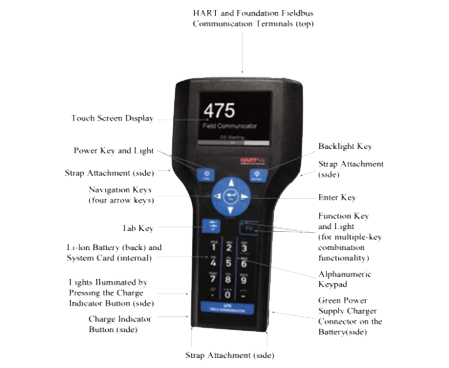
Saha İletişimcisi ve Endüstriyel Bakımda Geleneksel El Araçları
Ocak 29,2026
-
Akış Verici Devre Kartlarında Sinyal İşlemesi Nasıl Elde Edilir?
Ocak 23,2026