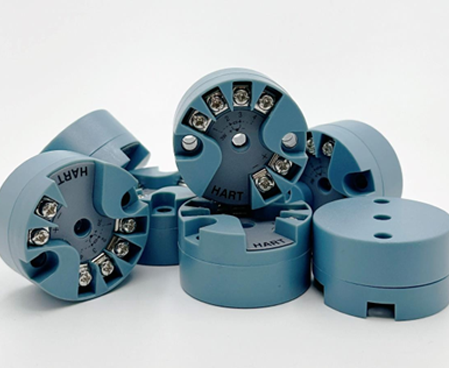
What Factors Influence the Design of Pressure Transmitter Circuit Boards?
Key Components of Pressure Transmitter Circuit Boards
What Are the Essential Parts of a Pressure Transmitter Circuit Board?
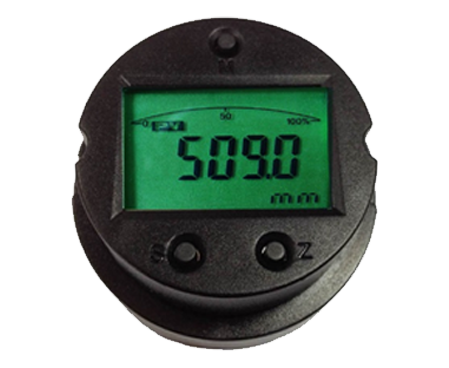
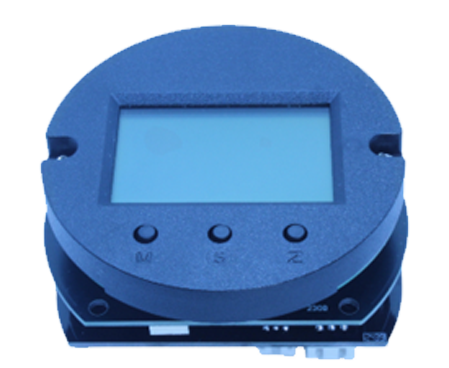
Một bảng mạch phát áp suất is a small and smart electronic setup. It turns mechanical pressure into an electrical output signal. Key components include sensors, microcontrollers, and power supply units. These elements collaborate smoothly to provide precise measurements.
Sensors act as the core of the setup. They sense changes in pressure and change them into matching electrical signals. For example, H3051 series intelligent pressure transmitters are built for strong performance. They use diffused silicon, single-crystal silicon, and other bridge-resistance pressure sensors. These rely on the HART protocol. This approach allows exact detection in various industrial uses. Such fields include petrochemical, aerospace, and environmental monitoring.
Microcontrollers handle the basic data from sensors. They create steady readings. These processors use temperature compensation, linearization, and calibration methods. This ensures precision. The H3051 series offers adaptable temperature compensation. It includes 11 temperature points and 11 pressure points at each temperature. So, even in changing conditions, the output stays reliable.
The power supply delivers the required voltage and current for all circuits. The H3051 works within a power supply range of 10–32V DC. It has a 4–20mA signal output. This uses the HART two-wire communication protocol. Such an energy-efficient design aids industrial integration. It also supports lasting reliability.
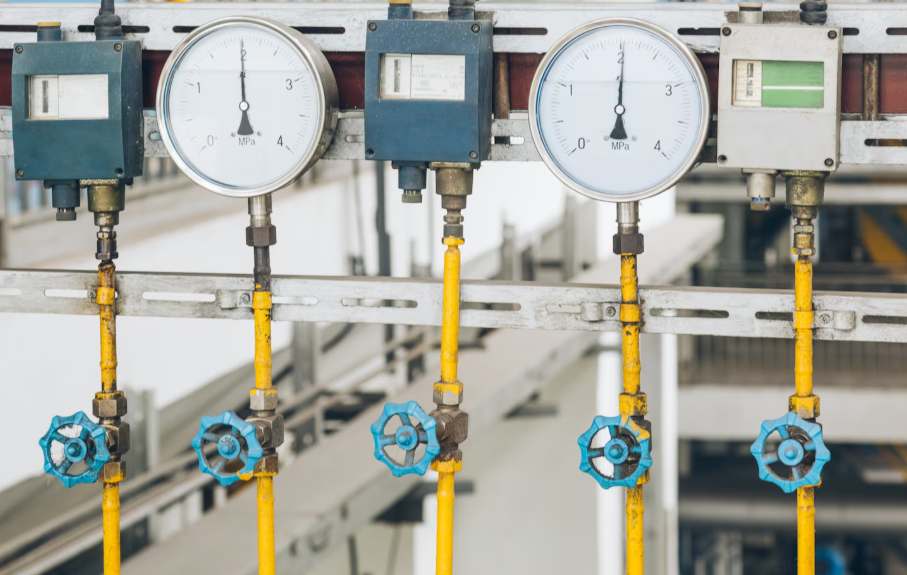
How Does Signal Conditioning Improve Pressure Transmitter Circuit Board Performance?
Signal conditioning is vital. It makes sure sensor outputs are clear, boosted, and prepared for digital conversion. Amplifiers increase faint sensor signals. This improves processing accuracy. Filters eliminate unwanted noise. This noise comes from electromagnetic interference or surroundings.
ICwalk’s H3051 series uses anti-interference tools like high-power TVS (Transient Voltage Suppressor) and magnetic beads inside. These effectively block various interferences at the site. Also, the EEPROM features a better anti-interference setup. It has full data backup and recovery options. Thus, it achieves maintenance-free work on site. These aspects together maintain high signal quality during the entire measurement.
How Do Environmental Factors Affect Pressure Transmitter Circuit Board Design?
How Do Temperature Variations Impact Circuit Board Design?
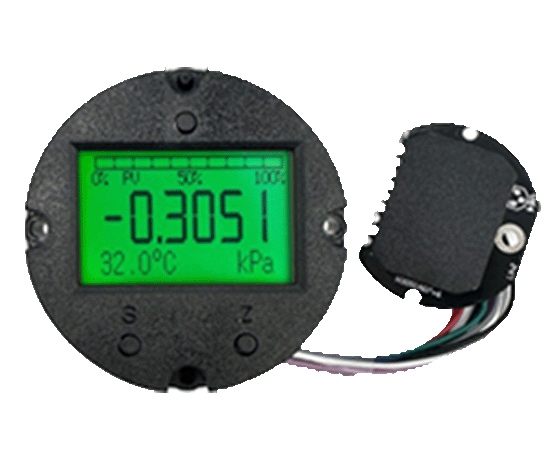
Temperature changes can greatly influence circuit stability. Designers need to pick materials that keep performance steady over a broad temperature range. For instance, the operating temperature range of the H3051 series is -30°C to +70°C with LCD display. Without LCD display, it is -40°C to +85°C. This broad range guarantees dependable operation in tough conditions.
Thermal management methods—like heat sinks, thermal vias, or managed copper thickness—are used to spread heat well. These avoid component wear or shifts from overheating. This happens during ongoing use.
The Effect of Humidity and Moisture on Circuit Boards
Humidity brings dangers like corrosion and short circuits. To counter this, protective layers such as conformal coatings cover sensitive parts. ICwalk’s pressure transmitter boards have conformal coating protection. It can stop harm to electronic components from outside factors.
Moisture sealing methods—like gasket enclosures or epoxy encapsulation—boost durability further. These steps make ICwalk’s products fit for hard settings. Examples include offshore platforms or water treatment plants. There, condensation often occurs.
What Electrical Requirements Ensure Optimal Performance of Pressure Transmitter Circuit Boards?
Why Are Accurate Voltage and Current Specifications Important for Pressure Transmitter Boards?
Every part in a pressure transmitter circuit board needs certain voltage levels for best function. Too much voltage can cause lasting damage. Too little leads to wrong readings. The H3051 has damping adjustable from 0 to 32 seconds. Its current output accuracy is rated at ±0.075% F.S. This ensures exact electrical control.
Current regulation keeps stable loop performance. This is when linked to control systems using 4–20mA standards. Proper load resistance design is key too. It preserves signal quality over long distances.
How Does Power Efficiency Influence Design Choices?
Power efficiency affects lifespan and running costs directly. Choosing low-power parts cuts energy use. It does so without reducing performance. ICwalk includes efficient microcontrollers. They handle energy based on sensor needs.
Our products perform well in high-interference places like oil platforms and power plants. They keep MTBF rates above industry standards. This design efficiency saves power. It also ensures steady monitoring reliability. Even in tough industrial settings.
ICwalk’s Contribution to Pressure Transmitter Technology
What Products Does ICwalk Offer for Pressure Transmitter Applications?
At ICwalk, we supply advanced pressure transmitter circuit boards. They are made for exact measurement needs in many sectors. Our main model—the H3051 pressure transmitter board—gives top accuracy. It uses modern digital processing tech. This matches global standards like HART communication protocols.
ICwalk transmitter boards are relied on by over 800 instrument makers in China. They have broad field testing. We focus on world-class quality. This comes from ISO-compliant production lines. They ensure steady product results.
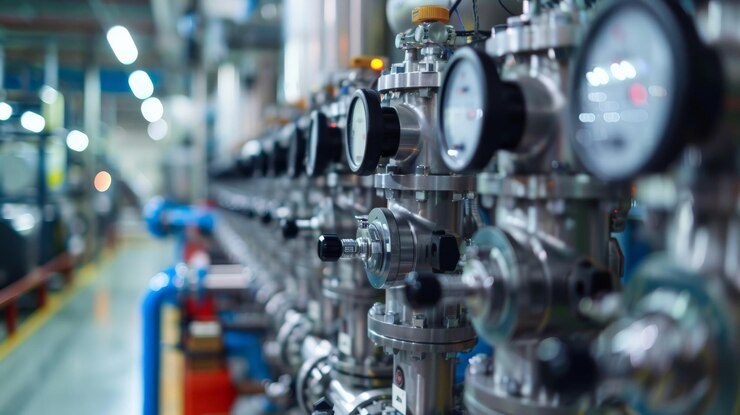
Special traits include flexible setup software. It allows one-stop calibration from design to large production. Automated testing systems promise reliability. Dual-source buying plans secure stable supply chains around the world.
Also, our goal is to support your work with dependable, affordable tech. This reduces downtime and boosts efficiency. With more than sixteen years of knowledge serving over fifty countries, we keep creating smart solutions. They fit industrial automation issues.
FAQ
Q: What Materials Are Commonly Used in Pressure Transmitter Circuit Boards?
A: Materials like FR4 fiberglass laminate are often chosen. They offer good mechanical strength and insulation. In high-heat uses, polyimide or ceramic substrates give better heat resistance. This ensures long-term steadiness in rough conditions.
Q: How Can I Improve the Longevity of a Pressure Transmitter Circuit Board?
A: Routine checks paired with protective coatings boost durability. They guard against corrosion or moisture entry. Good airflow around enclosures helps control inside temperatures well. This extends circuit life.
Q: What Are the Common Challenges in Designing Pressure Transmitter Circuit Boards?
A: Designers commonly deal with electromagnetic interference control. They also handle keeping signal quality over far distances. Plus, they adapt designs for rugged surroundings. All while meeting tight accuracy needs from industrial users.
Through ongoing research at ICwalk, we tackle these issues. We use patented methods and modular setups. They ensure exact measurement even in extreme settings. This makes our pressure transmitter circuit boards great picks for current automation systems worldwide.
Bài viết liên quan
-
How to Choose the Right Temperature Transmitter Board to Improve Accuracy and Long-Term Stability?
February 26,2026
-
How High-Precision Pressure Transmitter Boards Improve Industrial Measurement Accuracy?
March 05,2026
-
What Role Does a Level Control Board Play in Transmitter Efficiency?
February 05,2026
-
Yếu tố chính cần xem xét khi chọn máy phát bảng điều khiển quy trình
Tháng 1 16,2026
-
How Do Embedded Systems Enhance Functionality in Flow Transmitter Boards?
February 06,2026