Maximizing Process Control Efficiency with Flow Transmitter Boards: A Complete Guide
1. Introduction to Flow Transmitter Boards in Process Control
Flow transmitter boards form the foundation of current process control systems. These boards make sure that industrial operations proceed without issues and with good efficiency. Flow transmitter boards change flow sensor signals into standard outputs. Control systems such as PLCs or SCADA can integrate these outputs easily. Flow transmitter boards supply exact real-time data. Operators can monitor and improve processes all the time.
ICwalk stands as a Beijing-based high-tech enterprise. The company started in 2007. ICwalk focuses on transforming industrial automation. The firm uses precise instrumentation and smart process control solutions. This knowledge makes ICwalk a reliable partner for industries. Those industries want solid flow measurement technologies. Such technologies boost operational performance.
2. The Role of Flow Transmitter Boards in Process Control
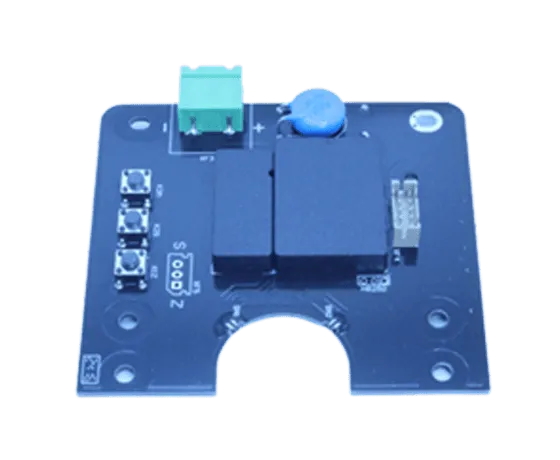
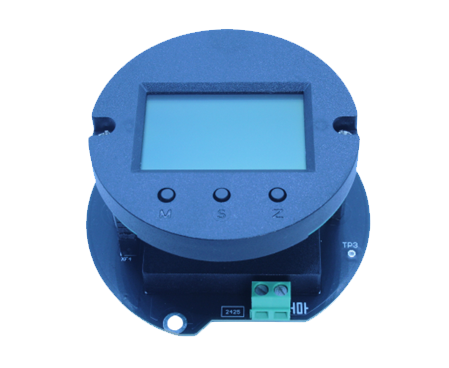
Flow transmitter boards hold an important role in keeping process efficiency. These boards turn raw sensor data into useful digital or analog signals. In fields like oil and gas, chemical manufacturing, and water treatment, exact flow measurement matters a lot. Such measurement supports both safety and improvement. For example, the ICwalk H8250FZ intelligent float transmitter board finds use in municipal water supply systems, chemical plants, and food production lines. This board ensures steady flow monitoring.
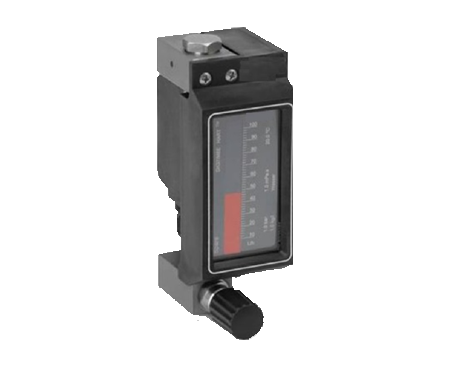
The H8250FZ intelligent float transmitter board suits high-performance intelligent metal rotameter flow transmitters with HART protocol. The board keeps stability in tough environments. This quality shows how advanced boards aid reliable process control directly.
3. Benefits of Using Flow Transmitter Boards
Enhancing Accuracy and Reliability:
High-precision signal processing technologies cut measurement errors a great deal.
Patented Algorithms: Special signal processing and compensation methods beat domestic competitors. These methods provide ±0.1% accuracy in harsh conditions. Such accuracy supports stable operations. It works even with changing environmental factors.
Streamlining Operations:
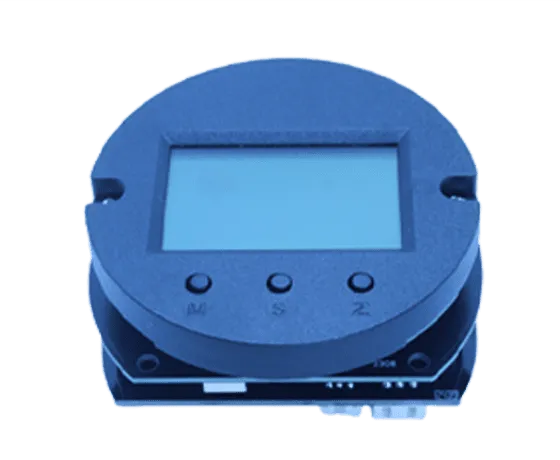
Automation cuts down manual work. It also boosts safety and steadiness. ICwalk’s smart modules include features like automatic fault detection and real-time diagnostics. These features reduce downtime.
Smart Production Lines: Full automation handles batch calibration, for example, with HGZ32U rigs. Real-time fault analytics ensure ISO-compliant quality. This method lowers human error. It also speeds up production cycles.
4. Types of Flow Transmitter Boards
By Functionality:
Various applications require certain types of flow transmitter boards:
- Standard Flow Measurement Boards:These boards fit general-purpose monitoring.
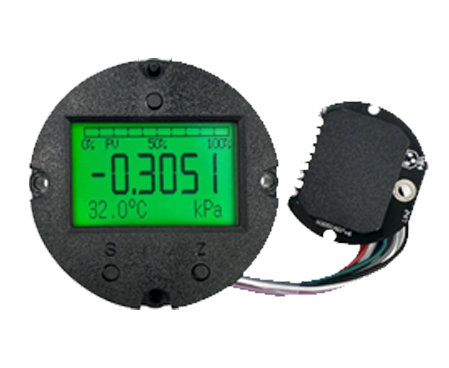
- Differential Pressure Boards:These boards measure pressure-driven flows. ICwalk’s H3051S3 differential-pressure transmitter offers ±0.075% full-scale accuracy.
- Ultrasonic Flow Transmitters:The ICwalk H760RO ultrasonic open channel board employs strong signal penetration. This feature works well for sewage or corrosive liquids.
- Vortex Flow Transmitters:The battery-powered H880 series handles temperature and pressure compensation for multiphase fluids.
By Power Source:
แผงส่งสัญญาณการไหล come as battery-powered, loop-powered, or solar-powered. The choice depends on the site’s needs.
For instance, H880BR serves as a vortex flowmeter card. It runs on battery power and has RS485 communication. This setup fits remote installations without steady power supplies.
5. Selecting the Right Flow Transmitter Board for Your Needs
Factors to Consider:
Selecting the correct board relies on fluid type, expected flow rate, pressure range, and fit with current systems such as HART or PROFIBUS-PA protocols.
ICwalk products work fully with main protocols like HART and PROFIBUS-PA. These products meet global standards. As a result, integration goes smoothly. Export becomes easy too.
Installation Best Practices:
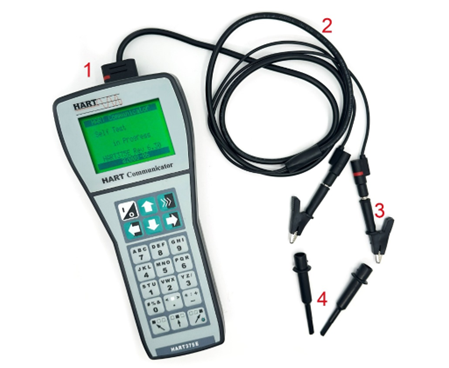
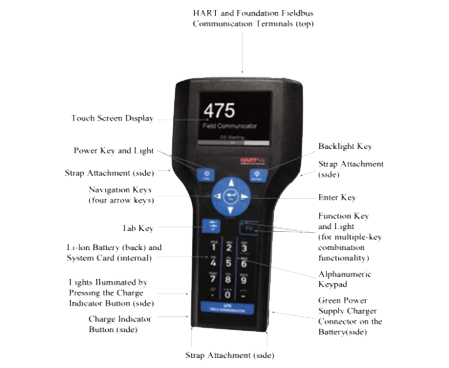
Correct placement cuts turbulence effects. Accurate calibration supports long-term stability. Installers should avoid electromagnetic interference sources. This step keeps signal integrity. Regular calibration with tools like the ICwalk H475 Field Communicator ensures top performance across all connected devices.
6. Maximizing Efficiency with Advanced Features
Current flow transmitter boards fit well into digital control ecosystems. These boards allow predictive maintenance and real-time analytics.
Patented algorithms and constant R&D keep ICwalk solutions ahead of industry trends. The solutions support technical growth for products. Smart technology spots anomalies early through diagnostic alerts. Predictive analytics predict possible failures before disruptions happen. These features help engineers decide fast and with good information.
7. Troubleshooting Common Issues with Flow Transmitter Boards
Common problems involve signal interference from nearby equipment, clogging within sensors, or wrong calibration parameters.
Routine maintenance stops these problems well:
- Plan periodic recalibration with certified communicators.
- Check wiring connections often.
- Use backup recovery functions in ICwalk transmitters. For example, entering the damping code “5678” brings back factory settings when abnormal operation occurs.
The manufacturer can save the original configuration information. When the instrument works poorly due to wrong on-site adjustments by the user, entering the damping value “5678” restores the factory settings.
8. Conclusion
Flow transmitter boards serve as key tools for gaining precision in process control systems across fields such as petrochemical refining, water management, energy production, and pharmaceuticals. By using advanced solutions from ICwalk, operations gain higher reliability. Maintenance costs drop, too. These solutions feature high accuracy, strong design, smart diagnostics, and fit with international protocols.
Partnering with ICwalk brings world-class board solutions, and can bring a committed team that focuses on success.
คำถามที่พบบ่อย
Q1: What is a flow transmitter board used for?
A: It changes sensor signals into standard outputs like 4–20mA. Process control systems use these outputs to track liquid or gas flows with accuracy.
Q2: Which industries benefit most from using flow transmitter boards?
A: Fields such as oil & gas, chemical processing, water treatment, food production, and power generation depend on exact flow measurement.
Q3: How do I choose between ultrasonic and vortex flow transmitters?
A: Ultrasonic types work best for open channels or corrosive liquids. Vortex types fit gas or steam applications. Those applications need temperature/pressure compensation.
Q4: How often should I calibrate my flow transmitter board?
A: Calibration every 6–12 months keeps accuracy steady. Devices like the ICwalk H475 Field Communicator make this task simple.
Q5: Why choose ICwalk over other manufacturers?
A: ICwalk offers quality with international certification. Patented algorithms ensure ±0.1% accuracy. Customized OEM solutions come with one-on-one technical support in more than 50 countries worldwide.
โพสต์ที่เกี่ยวข้อง
-
How Is Near Field Communication Used? Real-Life Examples You Should Know
March 26,2026
-
Common Problems in Temperature Transmitter Boards and How Engineers Fix Them
March 19,2026
-
ระบบฝังตัวเพิ่มการทํางานในกระดานเครื่องส่งการไหลได้อย่างไร?
กุมภาพันธ์ 06,2026
-
วิธีเลือกบอร์ดส่งสัญญาณที่เหมาะสมสําหรับประสิทธิภาพเครื่องมือสูงสุด
กุมภาพันธ์ 19,2026