How to Improve Packaging Quality: The Role of Temperature Transmitter Boards in 2026
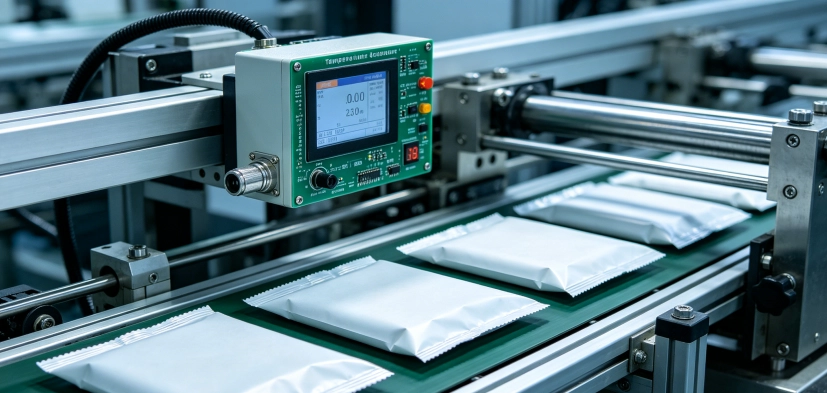
In today’s industrial settings, managing temperature holds a vital position for preserving product quality. This is especially true in packaging operations. As needs for exactness and productivity grow, temperature transmitter boards emerge as essential tools. They help keep products in ideal conditions during storage, handling, and shipping. This post examines the value of temperature transmitter boards in boosting packaging standards. It highlights their function in upholding steady temperature management across different fields.
The Importance of Temperature Control in Packaging
Managing temperature is a frequently ignored but critical element in the packaging procedure. It applies to items like medicines, edibles, or factory parts. Keeping the right temperature at every packaging step safeguards product excellence and fulfills legal rules. If monitoring and regulation fall short, items might spoil. That could cause safety issues, money losses, and unhappy buyers.
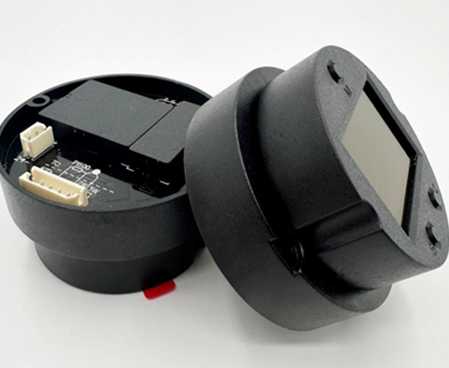
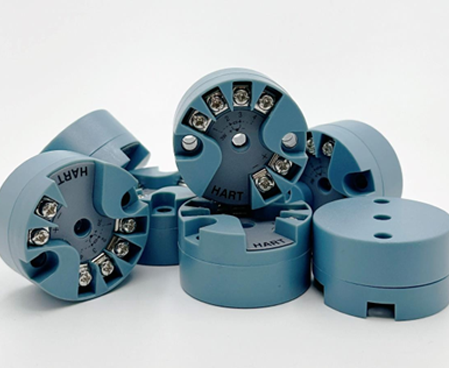
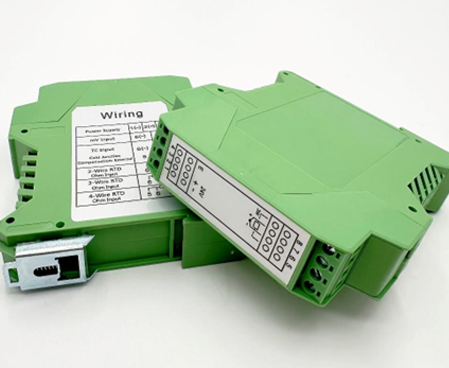
แผงส่งอุณหภูมิ aim to provide precision and dependability in gauging and tracking temperature. They act as primary units that transform signals from sensors, such as thermocouples or resistance temperature detectors, into usable information. Then, this information goes to the oversight setup.
How Temperature Transmitter Boards Improve Packaging Systems
By 2026, sectors will keep pursuing superior and more effective methods to upgrade packaging setups. Temperature transmitter boards aid in this effort in several ways. Here are some key contributions to elevating packaging quality:
1. Accurate Temperature Measurement and Control
Temperature transmitter boards make sure that temperatures in packaging areas stay uniform. This matters greatly for goods like food and drugs. There, even minor changes in temperature can harm item stability and security.
- Key Advantage: These boards deliver very precise gauging and regulation of temperature. They typically achieve this with a 0.2% error rate. Thus, they guarantee exact oversight of product environments.
- Why It Matters: Even a slight shift in temperature might undermine product quality. This is particularly true in delicate areas like cold chain transport.
2. Preventing Spoilage and Degradation
Heat-related spoilage can drastically shorten the shelf life of items that perish easily. Through ongoing temperature checks, transmitter boards can activate warnings or tweak equipment settings. As a result, they sustain the needed temperature levels in packaging.
- Key Advantage: Using a suitable temperature transmitter board cuts down the chance of spoilage. It thereby boosts the durability and protection of packed items.
- Why It Matters: In fields like drugs and food, proper temperature upkeep is a legal must. It helps dodge risks such as recalls or legal troubles.
3. Energy Efficiency and Cost Savings
An effective temperature regulation setup lets firms cut down on power use. It does this by avoiding excessive chilling or warming in packaging. Temperature transmitter boards assist in refining energy application. They do so by modifying cooling or heating based on current data.
- Key Advantage: Over periods, this brings notable reductions in energy. It is especially useful in big production and packaging tasks.
- Why It Matters: Running expenses worry industries that need constant temperature oversight in packaging. Lowering energy expenses straightly affects profits.
Key Features of Temperature Transmitter Boards in Packaging Applications
To perform at their best, temperature transmitter boards must blend smoothly into the packaging framework. Several core traits make them useful in packaging uses. Here are the primary ones:
1. Compatibility with Various Sensors
Temperature transmitter boards work well with different kinds of temperature sensors. These include thermocouples and resistance temperature detectors (RTDs). Such adaptability means they suit many uses. For instance, they fit in food preparation or machinery packaging.
2. Real-Time Monitoring and Alerts
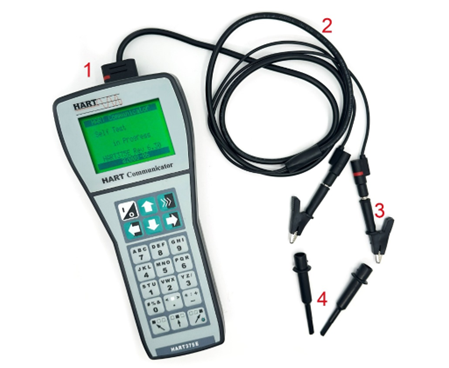
Numerous current temperature transmitter boards include protocols like HART or Modbus for communication. These allow instant data sharing. As such, packaging sites can oversee temperature from afar. This setup ensures fast reactions to any shifts.
- Key Advantage: It provides better command over manufacturing and the chance to fix problems from a distance.
- Why It Matters: Constant oversight lowers the danger of item harm from temperature changes. This holds true particularly in fast or automatic packaging lines.
3. Cold Junction Compensation
Boards that offer cold junction compensation are essential with thermocouples for temperature gauging. This trait corrects mistakes from surrounding factors. Consequently, it yields reliable temperature figures.
- Key Advantage: Cold junction compensation keeps temperature info precise despite varying surroundings.
- Why It Matters: It upholds exact readings amid temperature swings. For example, this applies in chilled packaging. Such accuracy avoids work mistakes and lifts product standards.
Transitioning to Smart Packaging Systems in 2026
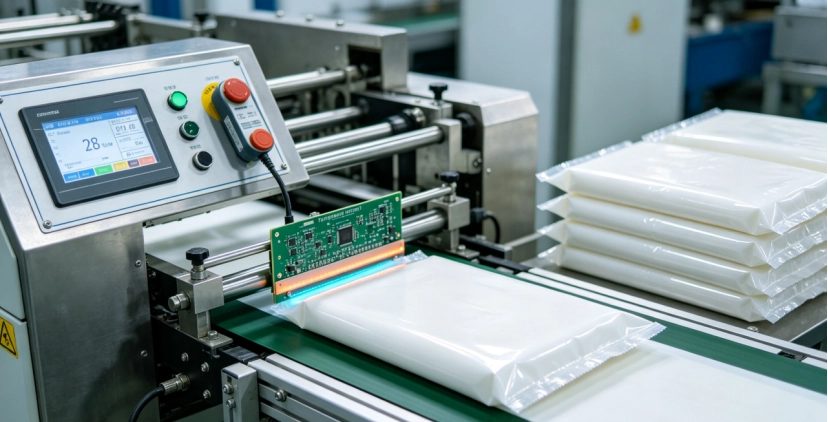
Packaging tech keeps advancing. A clear shift appears toward adding intelligent setups. Temperature transmitter boards stand at the heart of this progress. They enable combining advanced sensors, automatic controls, and data review.
1. Enhanced Data Collection and Analytics
In intelligent packaging, temperature transmitter boards collect large volumes of temperature details. These can undergo analysis for patterns and understandings. Such understandings aid in refining manufacturing steps. They also track power use and raise overall packaging output.
- Key Advantage: It allows foreseeing temperature issues and streamlining packaging tasks.
- Why It Matters: Forward-looking upkeep and info-based choices boost efficiency. They also cut interruptions in packaging work.
2. Integration with Other Smart Devices
Intelligent packaging often links temperature transmitter boards to other tools. These include surroundings sensors, RFID tags, and automatic controls. This linking lets the system respond swiftly to shifts in packaging states. It thus strengthens item safeguarding.
- Key Advantage: It merges easily with current smart factory tools. This results in completely automatic and refined packaging lines.
- Why It Matters: In areas with intricate packaging needs, automation cuts workforce expenses. It also raises accuracy.
ข้อสรุป
Temperature transmitter boards prove central to running packaging systems with efficiency, safety, and low costs. They supply exact temperature regulation, ongoing oversight, and fit with diverse sensors. Through these, they stop product decay, trim running expenses, and secure rule adherence. As packaging grows more intelligent and automatic, these tools’ part in the field will expand. They promise better output and higher productivity ahead.
FAQs
Q: How does a temperature transmitter board help in packaging?
A: Temperature transmitter boards ensure precise temperature control, preventing spoilage and maintaining product integrity throughout the packaging process.
Q: What are the benefits of cold junction compensation in packaging?
A: Cold junction compensation eliminates environmental errors in temperature readings, ensuring accurate data for better packaging quality.
Q: Can temperature transmitter boards reduce energy costs in packaging systems?
A: Yes, by optimizing cooling and heating systems, they reduce energy consumption and operational costs in large-scale packaging facilities.
โพสต์ที่เกี่ยวข้อง
-
How Can a Temperature Transmitter Board Enhance Temperature Control in Packaging?
May 21,2026
-
How to Diagnose and Fix Signal Drift in Process Control Board Transmitters
May 14,2026
-
How Do Temperature Transmitters Handle Electromagnetic Interference in Densely Packed Automation Cabinets
May 08,2026
-
Near-Field Communication Explained: NFC in 2026
May 15,2026
-
Comprehensive Guide to Selecting a High-Performance Pressure Control Board for Transmitter
May 07,2026