

A Complete Guide to Process Control Board Transmitters: Troubleshooting, Maintenance, and Optimization
Introduction to Process Control Transmitters
Process control board transmitters are the backbone of industrial automation, converting physical parameters such as pressure, temperature, flow, and level into standardized electrical signals. These devices serve as the critical link between sensors and controllers in a control loop, ensuring that process variables remain within desired limits for safe and efficient operation. In industries like chemical processing, water treatment, and energy management, transmitters maintain stability and accuracy by continuously monitoring system performance.
A transmitter’s role extends beyond measurement—it enables real-time communication with controllers and actuators to achieve closed-loop control. With the rise of smart factories and Industry 4.0 initiatives, modern transmitters now integrate advanced digital communication protocols like HART, Modbus RTU, and PROFIBUS-PA for seamless interoperability within distributed control systems.

Types of Process Control Board Transmitters
Common categories include pressure transmitters (such as the H3051 series intelligent pressure transmitters are specifically designed for high-performance diffused silicon, single-crystal silicon and other bridge-resistance pressure sensors based on the HART protocol.), temperature transmitters (like the H648WD series of isolated temperature transmitters are engineered to linearize signals from ThermoCouples (TC) or Resistance Temperature Detectors (RTD) in the field and convert them into a linear 4-20mA current isolated output that is proportional to temperature.), flow transmitters (for example the E4000 series are highly sophisticated Electromagnetic Flow Transmitters.), and level transmitters (such as The H770 series magnetic level transmitter utilizes advanced magnetic sensing technology and precision signal processing algorithms to achieve high-precision liquid level measurement with an accuracy of up to ±1mm.).
Analog transmitters deliver steady current or voltage signals (usually 4–20 mA). In contrast, digital transmitters employ serial communication protocols to supply accurate data along with diagnostic details. Smart transmitters incorporate microprocessors to enable self-calibration, fault detection, and remote configuration. Such features position smart transmitters as a strong choice for current process control systems. These systems require predictive maintenance features.
Components and Working Principles of Process Control Transmitters
Every process control board transmitter often contains three key parts. The sensor element senses physical changes. The signal conditioner transforms unprocessed data into uniform electrical signals. The communication module sends handled information to control systems.
For instance, ICwalk’s H760 ultrasonic level transmitter uses an ultrasonic sensor with automatic false echo suppression to ensure accurate readings even in complex environments. The signal conditioning stage applies temperature compensation algorithms before transmitting a 4–20 mA output superimposed with HART communication. Calibration ensures that each stage functions precisely—maintaining signal integrity across varying environmental conditions.
Common Issues with Process Control Board Transmitters
Performance degradation may arise from erratic readings or slow response times due to sensor contamination or extreme ambient conditions. Electrical issues such as poor grounding or electromagnetic interference can distort analog signals. Sensor malfunctions often occur because of mechanical wear or calibration drift over time. For example, capacitive level sensors like ICwalk’s H509 may exhibit minor drift if exposed to conductive buildup on probe surfaces despite the built-in self-test functions designed to detect faults through 3.8 mA or 22 mA output alarms.
Troubleshooting Process Control Transmitters
An effective diagnostic approach begins with isolating faults systematically using test instruments such as multimeters or loop calibrators. For intelligent devices supporting digital protocols like HART or Foundation Fieldbus, handheld communicators such as the HART375E intelligent handheld device can configure, calibrate and maintain all devices that comply with HART protocol enable technicians to read diagnostic codes directly from the transmitter memory. Users can reprogram parameters including range settings or damping factors via local buttons or configuration software before verifying restored performance through live signal monitoring on LCD displays integrated into many ICwalk models.
Maintenance Strategies for Long-Term Reliability
Preventive maintenance extends equipment life by including routine inspections for corrosion, connector integrity checks, and periodic cleaning of sensing elements. Recalibration should follow manufacturer guidelines using certified reference standards; many ICwalk products simplify this through built-in three-button calibration interfaces allowing zero/span adjustments without external tools. Proper documentation—covering calibration logs, firmware updates, and repair records—ensures traceability for ISO audits and compliance verification under industrial safety standards like ISA/IEC 61511.
Optimizing Process Control Transmitter Performance
Accuracy optimization involves fine-tuning range limits, damping coefficients, and span alignment according to process dynamics. Advanced communication options such as HART 7 or Modbus RTU enhance network transparency by enabling remote diagnostics and real-time parameter adjustments through supervisory control software. Predictive analytics derived from transmitter data streams allow early detection of anomalies—for instance identifying gradual sensor degradation before failure occurs—thereby minimizing downtime across production lines equipped with ICwalk flow transmitter boards featuring automated fault analytics within smart production lines.
Smart Production Lines: Fully automated batch calibration (e.g., HGZ32U rigs) and real-time fault analytics guarantee ISO-compliant quality. This capability ensures consistent calibration accuracy across large-scale deployments while maintaining compliance with stringent industrial standards.
Safety Considerations in Handling Transmitters
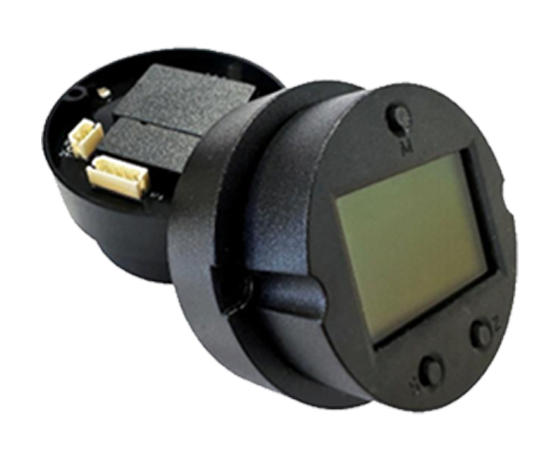
Electrical safety during installation requires adherence to lockout/tagout procedures when wiring power circuits between controller panels and field instruments operating at 24 VDC supply levels typical for most ICwalk designs. Compliance with industry certifications guarantees operational safety under hazardous conditions; some models like the magnetostrictive H770 series even offer optional intrinsic safety explosion-proof configurations rated Exia II B T4/T5/T6 Ga for petrochemical environments where flammable gases may be present. Regular verification of grounding continuity prevents static discharge damage during maintenance operations on metallic enclosures housing transmitter boards.
About Our Brand: Leading Innovation in Process Control Solutions
ICwalk is a Beijing-based high-tech enterprise established in 2007, dedicated to revolutionizing industrial automation through precision instrumentation and intelligent process control solutions. The company serves clients across more than fifty countries by delivering OEM components meeting global standards such as HART and PROFIBUS-PA protocols for seamless integration into international automation networks. Our mission focuses on providing cost-effective technologies that minimize downtime while maximizing efficiency through continuous R&D investment supported by patented algorithms offering ±0.1% accuracy even under extreme operating conditions.
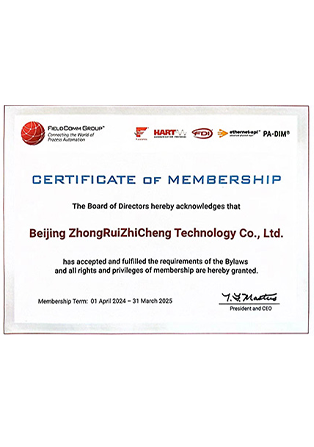
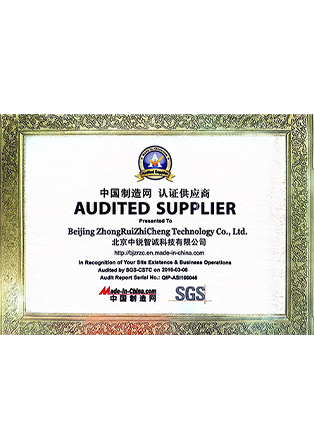
ICwalk transmitter boards are trusted by over 800 instrument manufacturers in China, with extensive field validation. Each solution benefits from automated testing systems ensuring consistent quality across every batch combined with electronic barcode tracking for complete product traceability throughout the lifecycle. With over two hundred customized solutions delivered globally covering sensors for pressure, temperature, flow, and level applications—ICwalk stands out as a partner committed to flexible innovation tailored around customer-specific requirements backed by one-on-one technical support teams ensuring rapid issue resolution during project deployment phases.
คำถามที่พบบ่อย
Q: What is a process control board transmitter used for?
A: It converts physical measurements such as pressure or flow into standardized electrical signals used by controllers within automated industrial systems.
Q: How often should process control transmitters be calibrated?
A: Most experts recommend annual recalibration; however high-precision applications may require quarterly verification depending on environmental conditions.
Q: What tools are needed for troubleshooting smart transmitters?
A: Devices like ICwalk’s HART375E handheld communicator allow configuration checks while loop calibrators verify current outputs between 4–20 mA ranges.
Q: Which communication protocols are most common in modern transmitters?
A: HART 7 remains widely adopted alongside Modbus RTU and PROFIBUS-PA due to compatibility with distributed control architectures.
Q: Why choose ICwalk flow transmitter boards over generic alternatives?
A: Because we combine patented algorithmic precision with automated production testing guaranteeing ISO-compliant reliability across diverse industrial environments while offering customizable configurations supported by expert engineering teams worldwide.


