

What Makes a Pressure Transmitter Board Reliable in Hazardous Process Applications in 2026?
A pressure transmitter may look compact, but its performance depends on electronics inside the housing. In petrochemical plants, chemical storage, water treatment, and automated production lines, it must handle vibration, interference, changing process conditions, and sometimes toxic, corrosive, flammable, or explosive environments.
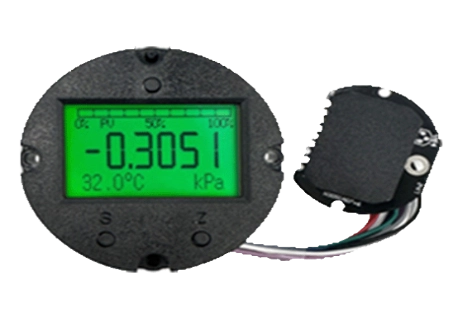
The working core is the pressure transmitter board. It receives the sensor signal, removes unwanted noise, applies compensation, manages the 4-20mA loop, and handles digital communication. ICwalk does not present itself as the maker of every complete pressure transmitter. We supply the internal electronics that instrument manufacturers can integrate with their own sensor, enclosure, diaphragm, process connection, display, and certification plan. Our painel de transmissão de pressão H3051 is a practical example of this board-level approach.
Why the Board Is the Measurement Core
A complete field transmitter combines a pressure sensor, pressure contact modules, a process connection, a housing, a power circuit, a display, firmware, and an output interface. Each part affects the final result, yet the process control board decides how a small sensor change becomes useful plant data. When the board is unstable, even a well-built mechanical sensor can produce a poor reading.
OEM instrument makers therefore study the circuit module as carefully as the sensing element. The board must accept the sensor, protect the analog path, communicate with the control system, and show a clear fault when the measurement cannot be trusted.
What a Pressure Transmitter Board Must Handle
Before looking at specific performance factors, it helps to define the board’s main responsibilities. A process control board transmitter is more than a current converter. It is a small measurement and communication platform that has to stay predictable under real operating conditions.
- receive a millivolt or bridge-type pressure sensor signal;
- provide pressure signal conditioning with low noise and stable gain;
- apply compensation for sensor variation and temperature effects;
- produce a stable 4-20mA output for a PLC, DCS, or recorder;
- support HART communication for configuration and diagnostics.
Signal Conditioning Controls Practical Accuracy
Pressure sensors often produce a small signal that can be affected by temperature, cable length, grounding, vibration, and electromagnetic noise. The pressure signal conditioning stage must raise that signal to a usable level without adding excessive drift or noise. A high-resolution converter alone does not solve the problem. The input amplifier, reference, power supply, layout, filtering, and shielding all contribute.
The H3051 series is presented for intelligent pressure transmitter designs using high-performance diffused-silicon sensing. The board connects that sensing element to the plant output, helping reduce false alarms and improve signal stability during filling, dosing, or discharge.
Noise Rejection in Industrial Areas
Petrochemical and chemical facilities commonly contain motors, variable-speed drives, pumps, solenoid valves, long signal cables, and switching power supplies. These sources can place unwanted energy close to the sensor line or the 4-20mA loop. The board therefore needs a controlled analog path, appropriate filtering, isolation where required, and a grounding plan that matches the finished instrument.
Communication Turns Measurement into Usable Data
A measurement is only useful when operators and control systems can access it. The 4-20mA signal remains important because it is simple, familiar, and suitable for long industrial cable runs. HART communication adds configuration, status, diagnostics, and additional variables without removing the basic analog loop.
A hart pressure module can help technicians read the pressure range, change damping, check fault status, and confirm the output trim. This is valuable in a field transmitter installed near a tank, pump skid, compressor, or chemical line. It also gives OEMs a clearer service path when the final device must be maintained by different teams in different countries.
ICwalk develops OEM modules for process instruments and supports HART-related electronics. Our product range includes board-level solutions for pressure, level, temperature, and flow instruments, allowing manufacturers to build a wider family of products around their own mechanical designs.
Calibration and Field Service Need Clear Steps
Calibration is not only a factory task. Installation position, impulse line conditions, ambient temperature, zero shift, and process isolation can affect a pressure transmitter. The board should support a clear service routine that an OEM can adapt.
When a technician asks how to calibrate this device, the exact method depends on the sensor, range, housing, and available tools. In general, the steps include isolating the process safely, applying a known reference at the low and high points, checking the display and 4-20mA output, adjusting zero and span when required, confirming the HART variables, and recording the result.
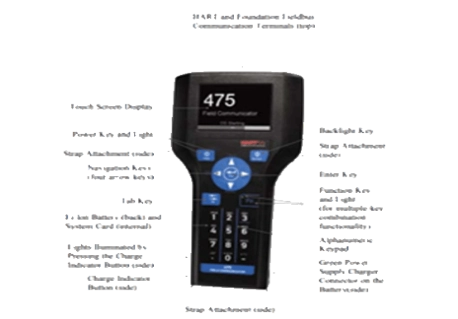
A field communicator 375 or another smart field communicator may be used when the finished instrument supports the required HART commands. A good board should make faults visible rather than convert them into a believable value. Sensor disconnection, overrange, unstable input, and output-loop problems need defined alarm behavior.
Response Time Matters in Fast Process Loops
Not every pressure application needs the same response. A storage tank may value stable damping, while a pump protection loop may need a quicker response. An OEM building a high performance precision transmitter should balance noise rejection and response time instead of treating them as separate promises.
Some buyers are looking for pressure transducers with fast response times for automated packaging line control systems. In that case, the board must pass pressure changes quickly enough for the control loop while still preventing short electrical spikes from becoming false machine commands. The correct setting depends on the sensor, process volume, control algorithm, and safety limits.
The same principle applies when a pressure board shares a cabinet with a flow meter or another process control board. The final test should check cross-channel interference, response after power cycling, and whether damping settings remain consistent across the product range.
Hazardous Media Require System-Level Discipline
Pressure measurement is often used in oil and gas, chemical processing, toxic liquid handling, and flammable service. The board can support this architecture through stable electronics, clear fault states, isolation, and predictable communication. It does not, by itself, make a complete transmitter explosion-proof or intrinsically safe.
The finished product must be reviewed as a complete assembly, including the pressure sensor, diaphragm material, seals, pressure contact modules, enclosure, wiring, energy limitation, grounding, and certification path. Corrosive-liquid suitability depends on wetted materials and the process connection, not only the board.
Why Instrument Manufacturers Choose ICwalk Boards
Why Instrument Manufacturers Choose ICwalk Boards: We solve the complex signal processing and HART communication challenges, allowing you to focus on mechanical design and process connections.
That division of work is useful for manufacturers serving oil platforms, chemical plants, water systems, and other high-interference environments. ICwalk is a Beijing-based high-tech enterprise established in 2007, serving customers in more than 50 countries with OEM components and smart modules.
Nossa company profilecovers our engineering, automated calibration, and product traceability. For a customized pressure board, manufacturers can contact ICwalkshare the sensor, range, power, output, and installation requirements.
We can discuss board dimensions, pressure span, sensor matching, power supply, display needs, output mode, communication, and calibration access. Our role is to provide the electronics inside the instrument so the manufacturer can concentrate on the process connection, enclosure, certification, and customer application.
OEM Checks Before Production
Test the pressure transmitter board as part of the finished instrument before mass production. Laboratory checks do not replace tests with the actual sensor, wiring, housing, process connection, and control-system interface.
- confirm the pressure range, overload limit, sensor type, and required accuracy;
- check the low, middle, and high points of the 4-20mA loop;
- verify HART communication with the intended host and smart field communicator;
- test zero stability after installation and after power interruption;
- check sensor disconnection, overrange, loop fault, and alarm behavior;
- review cable shielding, grounding, isolation, and cabinet wiring;
- measure response time with the intended damping and control settings;
- test the board beside a flow meter and other process control board modules.
Conclusão
Pressure transmitter performance begins inside the instrument. The board must condition a small sensor signal, reject industrial noise, maintain a stable 4-20mA loop, support HART service, and report faults clearly. These tasks matter in petrochemical, toxic, corrosive, flammable, and high-interference applications. ICwalk’s H3051 board gives instrument manufacturers a practical electronic core for building their own field transmitter. We provide the circuit module while the OEM controls the sensor, port, enclosure, process connection, display, certification, and final application.
FAQs
Q: Can this pressure transmitter board monitor a 5,000 L chemical tank?
A: Yes, with a suitable pressure sensor, range, and tank installation.
Q: Can it measure pressure in a 2,000 kg corrosive liquid process?
A: Yes, when wetted materials and the process connection suit the liquid.
Q: Can HART support a 10,000 L storage system?
A: Yes, HART supports range checks, diagnostics, and calibration access.
Postos relacionados
-
How Do Digital Signal Processing and Diagnostics Improve Flow Transmitter Boards in 2026?
September 03,2026
-
How Can a Faulty Level Transmitter Circuit Module Impact Performance?
September 04,2026
-
Pressure transmitter vs transmitter board which should chemical plants check first in 2026?
August 28,2026


