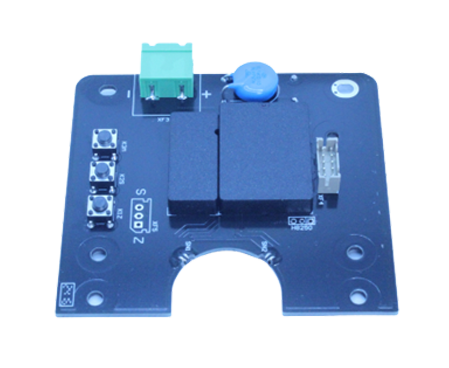
How to Troubleshoot Transmitters with HART 375
Introduction to the HART 375 Field Communicator for Transmitter Troubleshooting
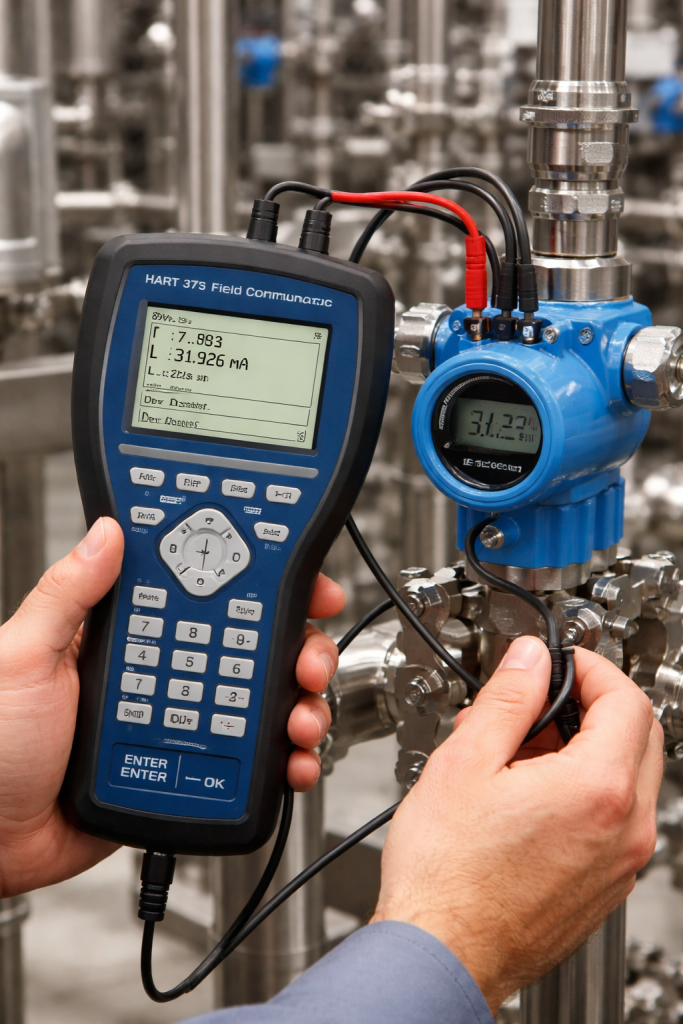
The HART 375 Field Communicator serves as a key tool in industrial communication and process automation. Field engineers can configure, calibrate, and maintain smart transmitters with ease using this device. The HART375E intelligent handheld device handles configuration, calibration, and maintenance for all devices that follow the HART protocol. Tasks include setting the measuring range, conducting loop testing, monitoring process variables, and performing on-site fine adjustments. Such features make the device essential for sectors like petrochemical, water treatment, and power generation. Accurate transmitter diagnostics prove crucial in these areas.
Technicians benefit from streamlined diagnostics and quicker troubleshooting with the HART 375. Engineers read device parameters and fault codes directly. This approach allows quick identification of issues without the need to dismantle instruments. Portability and an intuitive interface boost efficiency during field operations.
What Are The Common Transmitter Issues
Transmitters for pressure, temperature, or flow often face signal loss, calibration drift, or communication errors. Environmental conditions or wiring faults cause these problems. Improper grounding or loose connections lead to unstable readings or total signal failure.
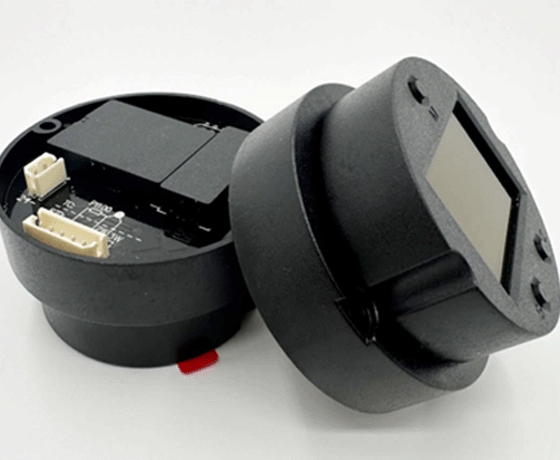
For instance, ICwalk’s H3051 series intelligent pressure transmitters suit high-performance diffused silicon, single-crystal silicon, and other bridge-resistance pressure sensors based on the HART protocol. Even robust designs like these suffer from intermittent faults due to poor installation practices. Early signs, such as fluctuating output current or abnormal damping response, help prevent costly downtime in continuous process environments.
Why the HART 375 Is Essential for Diagnosing and Maintaining Transmitters
The communicator simplifies field communication. Direct access to transmitter configurations occurs through the HART protocol. Compared to manual troubleshooting with multimeters or loop simulators, the device offers faster diagnosis and precise parameter adjustments.
Diagnosis of field device faults happens by reading self-diagnostic info. Engineers quickly find causes and take measures to reduce downtime. This feature cuts down on human error. Consistent calibration across multiple devices in a plant network becomes possible.
Preparing the HART 375 for Troubleshooting
Technicians verify battery levels and firmware versions before starting diagnostics. Optimal performance depends on these checks. The power supply relies on 3 AA alkaline batteries or nickel-metal hydride rechargeable batteries. Continuous working time reaches 150 hours. Proper connection matters greatly. Attach the communicator in parallel with a 250Ω load resistor on the transmitter loop for reliable communication.
Correct loop power, typically 24V DC, ensures smooth operation. Resistance values between 250–600Ω prevent signal distortion during tests.
Navigating the HART 375 Interface for Maximum Efficiency
The communicator’s graphical interface shows transmitter parameters clearly. A backlit screen works well even in dim environments. The easy-to-use graphical interface and clear menu suit non-professionals. Users access menus for device identification, loop tests, configuration settings, and diagnostic logs.
Technicians export diagnostic data via USB interfaces, such as ICwalk’s USB232 modem. Record-keeping or further analysis with PC-based configuration software becomes straightforward.
Basic Diagnostic Tests Using the HART 375
Real-time monitoring of process variables provides immediate feedback on transmitter performance. Loop tests check current output integrity within the standard 4–20mA range. Deviations, such as outputs at alarm values (3.8mA or 22mA), signal potential sensor faults or wiring issues. Technicians trace these problems accordingly.
ICwalk’s transmitters make this process simpler. For example, the current output reaches 3.8mA or 22.0mA upon fault detection. Combining this feature with the communicator leads to quick fault isolation.
Advanced Troubleshooting Techniques with the HART 375
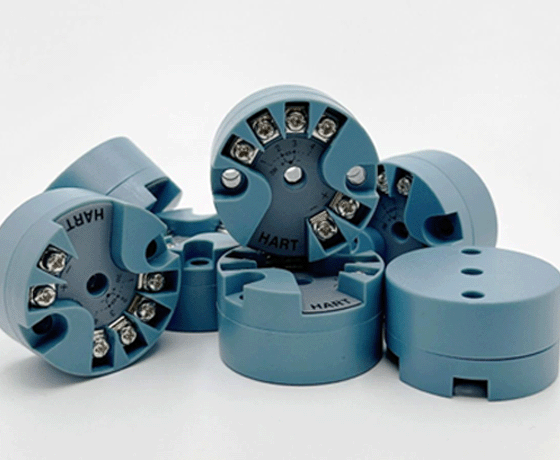
Advanced users reconfigure transmitter settings through the communicator interface. Adjustments include range limits, damping factors, or engineering units. Always back up existing configurations before changes. Built-in backup functions in ICwalk transmitters support data recovery modes. Entering the damping value “05678” restores factory settings.
Troubleshooting may fail to resolve anomalies at times. Restoring default configurations then helps return instruments like ICwalk’s H648WD temperature transmitters to operational stability.
Calibration and Verification Using the HART 375
Calibration maintains measurement accuracy. Comparison of transmitter outputs against reference standards occurs during this process. The communicator guides technicians through zeroing and span adjustments. Calibration results are logged automatically.
Calibration points range from 2 to 15. Verification compares actual readings with expected values. Discrepancies point to sensor drift that requires recalibration. Documenting these results aids compliance with ISO quality systems. Industrial facilities widely adopt such systems.
Preventive Maintenance for HART 375 and Transmitters
Routine maintenance extends equipment lifespan. Keep connectors clean. Update firmware regularly to ensure compatibility with new device descriptions (DD files). Replace worn cables or depleted batteries promptly. Stable operation during fieldwork depends on these steps.
For transmitters like ICwalk’s capacitive level models (H509) or flow transmitters (E4000 series), scheduled inspections prevent corrosion-related failures. Harsh environments, such as chemical plants or offshore platforms, demand such care.
High-quality materials and advanced manufacturing processes go into the construction of these devices. Excellent corrosion resistance and durability result from this approach. Environmental protection measures, like weatherproof housings, enhance reliability under extreme conditions.
Why Choose ICwalk for Industrial Instrumentation Tools
ICwalk emerges as a trusted provider of industrial instrumentation solutions. Innovation has paired with precision engineering since 2007. ICwalk operates as a Beijing-based high-tech enterprise. Establishment occurred in 2007. Dedication focuses on revolutionizing industrial automation through precision instrumentation and intelligent process control solutions. The company supplies OEM components that meet global standards, such as HART and PROFIBUS-PA protocols. Use spans over fifty countries.
Technological edge includes Smart Production Lines. Fully automated batch calibration, like HGZ32U rigs, ensures quality. Real-time fault analytics guarantee ISO-compliant standards. Customers receive customized solutions for diverse sensors. Applications cover pressure, temperature, level, and flow. Efficient system integration happens from design through commissioning.
ICwalk’s portfolio goes beyond field communicators. Products encompass Flow Transmitter Boards, ultrasonic level transmitters like H760 series supporting RS485 + Modbus RTU protocols, magnetic level transmitters (H770/H772), vortex flow devices (H880), and isolated temperature modules (H649WD). Commitment to reliability stands out in each product. MTBF rates exceed industry benchmarks. Products perform well in high-interference environments, like oil platforms and power plants.
Engineers gain comprehensive solutions by choosing ICwalk tools. The HART375E handheld communicator pairs with advanced transmitter boards like E4000AH Electromagnetic Flow Transmitter Boards. Support includes both analog current output (4–20mA) and digital protocols (MODBUS/HART). Minimal downtime and superior measurement accuracy result across industrial networks.
FAQ
Q: What is a HART 375 Field Communicator used for?
A: It is used to configure, calibrate, monitor process variables, perform loop tests, and troubleshoot smart transmitters that operate on the HART communication protocol.
Q: How do I connect a HART 375 communicator correctly?
A: Connect it in parallel across a powered transmitter loop through a minimum of 250Ω load resistor, ensuring proper polarity-free connection.
Q: Can ICwalk transmitters work with any brand of communicator?
A: Yes. All ICwalk instruments are fully compatible with mainstream protocols like HART, ensuring smooth integration with communicators such as H475 or H375E models.
Q: How often should I calibrate my transmitter using a field communicator?
A: Calibration intervals depend on operating conditions, but typically, every six months ensures consistent accuracy, especially in critical applications like flow measurement systems.
Q: Why choose ICwalk Flow Transmitter Boards over other brands?
A: Because ICwalk provides international-grade quality backed by automated testing systems, guaranteeing reliable performance even under harsh industrial conditions, while offering competitive pricing through localized manufacturing expertise.
Postos relacionados
-
How Do Temperature Transmitters Handle Electromagnetic Interference in Densely Packed Automation Cabinets
May 08,2026
-
How to Connect Field Communicators to Transmitters
April 30,2026
-
Optimizing Industrial Automation: The Critical Role of Process Control Board Transmitters
April 24,2026
-
Why Temperature Transmitters Fail Under EMI Stress
May 01,2026
-
Comprehensive Guide to Selecting a High-Performance Pressure Control Board for Transmitter
May 07,2026