Field Communicator vs. Traditional Handheld Tools in Industrial Maintenance
What Is a Field Communicator and Why Does It Matter?
How Does a Field Communicator Work in Industrial Settings?
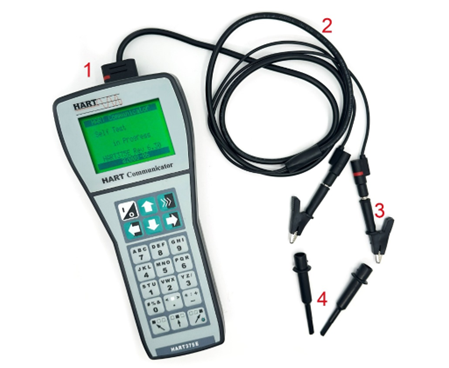
A field communicator is a portable, handheld device built to connect with smart field instruments in industrial areas. These tools, like a HART 375 field communicator, help technicians set up, adjust, and fix instrumentation right there, without pulling them from the process line.
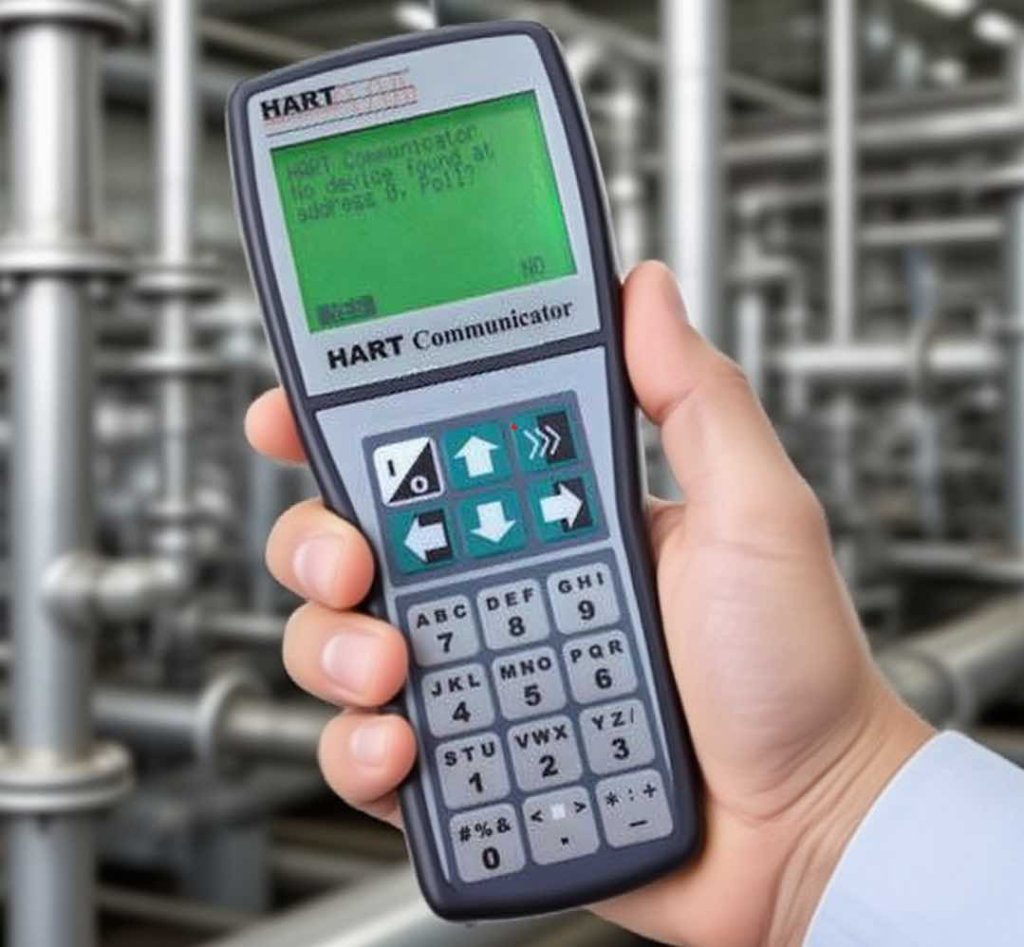
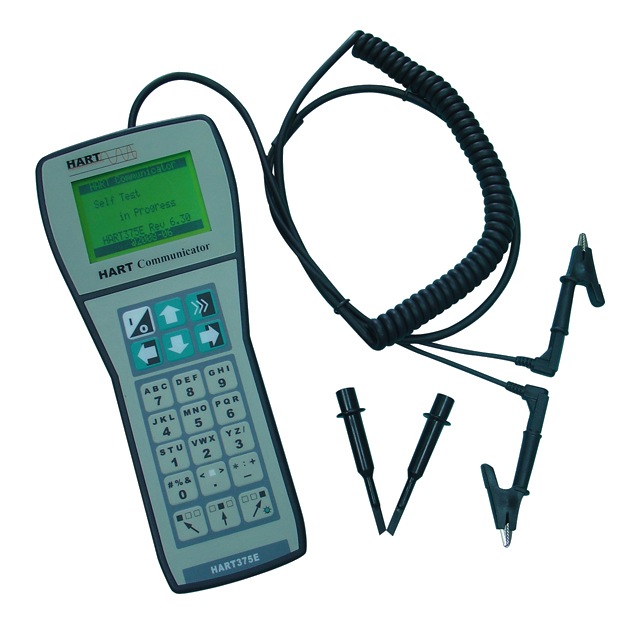
The HART375E intelligent handheld device can set up, adjust, and maintain all devices that follow the HART protocol. It includes tasks such as defining the measuring range, testing loops, watching process variables, and doing on-site tweaks. Through communication standards like HART, these tools link straight to instruments in the field. This gives users instant access to device settings and health checks.
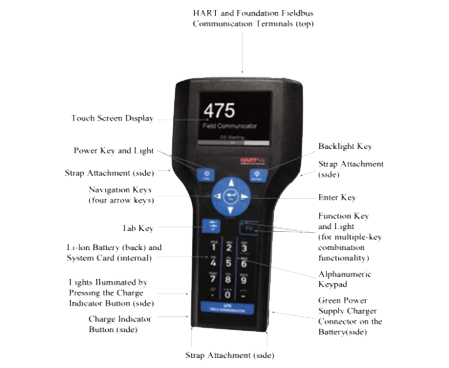
Field communicators prove very useful in sectors like oil & gas, power generation, and water treatment. In these places, time and precision count a lot. The H475 Field Communicator works with HART fieldbus devices. It lets you set up or fix issues right in the field.
Why Are Field Communicators Becoming More Popular?
The rising use of smart field communicator devices comes mostly from their power to simplify upkeep and cut down on mistakes by people. Unlike older tools that might need several steps and gadgets, one communicator device can handle many jobs. These range from setup to health checks.
Technicians like their straightforward screens. With a simple graphical layout and clear options, it’s easy even for beginners. This user-friendliness drops the entry level for newer staff. At the same time, it speeds things up for experienced engineers.
They also allow on-site checks without stopping system work. For HART-protocol intelligent transmitters, the H375 can change settings like measurement range or zero point right there. This boosts efficiency since there’s no need to send them back for changes.

Traditional Handheld Tools: Are They Still Relevant?
What Are Traditional Tools Used for in Industrial Maintenance?
Before digital communication standards became common, technicians depended a lot on basic tools such as multimeters, manual pressure gauges, and calibrators. These tools remain in use today for simple jobs like checking voltage or measuring analog signals.
Yet, traditional tools usually require several devices and more skill to handle even everyday tasks. For instance, preparing a pressure transmitter with a manual calibrator might mean disconnecting wires, applying test pressure by hand, and reading results by eye. It’s a slow process.
What Are the Limitations of Traditional Tools Compared to Field Communicators?
The main downside of traditional tools is their weak ability to talk with smart instruments. They can mimic physical signals like voltage or pressure. However, they can’t work with digital standards such as HART.
As a result, manual methods drag on longer. They also raise the risk of errors by humans. Plus, this causes more downtime. Instruments often must come out of service for testing or setup.
In comparison, smart communicators like our ICwalk 375 field communicator can link directly to active systems. It can spot field device problems by pulling self-check data. This helps engineers find reasons fast and act to cut downtime.
How Do Field Communicators Improve Plant Efficiency?
In What Ways Do They Save Time and Reduce Downtime?
Field communicators change the game for efficiency. They permit checks from afar. So, engineers skip opening panels or taking out devices for looks.
With a portable communicator like ICwalk’s H475, teams can set up many devices in various spots swiftly. The H475 links and sets them up through HART protocol. This ensures they work right and fit process needs. Whether it’s adjusting flow meter settings or tuning a pressure sensor, the task finishes quicker. It cuts operational breaks.
They also spot possible problems early. When instruments fail, technicians can use the H375 to pull internal details and error codes. This lets them find fault reasons fast and respond to lower downtime and costs.
Can Field Communicators Help with Predictive Maintenance?
Yes, they can. Today’s smart communicators collect past data. This helps spot usage trends and oddities before they turn into big issues.
The built-in flash memory holds the operating system and system software. The system card keeps a backup of the system software. It also includes all HART and Foundation Fieldbus device descriptions. Plus, it can save up to 1,000 sets of HART setups. This supports predictive maintenance plans. Repairs get planned ahead of time, not just after problems hit. It lowers costs and surprise stops.
Which Tasks Are Easier with a Field Communicator?
How Do Technicians Use Them for Device Configuration?
Setting up smart devices gets much easier with a communicator device. Settings like measuring range, damping factor, or measurement units can shift right via the communicator’s screen.
Engineers can tweak them simply through a clear interface. This raises efficiency. The updates save right away. No need to power down systems or pull parts from the process.
What About Calibration and Diagnostics? Is It Simpler Now?
Current communicators include built-in guides and check tools that make calibration almost error-free. For example, ICwalk’s HART375E leads users through calibration steps fast and precisely.
Our HART375E intelligent handheld device can set up, adjust, and maintain all devices that follow the HART protocol. It also handles loop testing and real-time variable watching. Traditional tools just don’t provide these features.
Check features warn users about issues at once. It self-checks problems, signals failures, and low battery to keep things running smoothly. This cuts out guessing and boosts safety in upkeep jobs.
Choosing the Right Tool: When Should You Upgrade from Traditional Tools?
Is It Worth Replacing My Old Equipment with a Field Communicator?
If your site uses smart instruments with standards like HART, then yes. A smart field communicator greatly lifts productivity. It removes extra steps and allows direct device interaction.
Traditional tools may still fit basic fixes. But they often lag in complex automation setups. With ICwalk’s options supporting both one-to-one and multi-point modes of HART, the HART375E works as the main master for HART devices. It handles first master devices like HART bridges too. It also covers one-to-one and multi-point HART modes.
What Should I Look For When Buying a Field Communicator?
Key Features to Consider:
- Compatibility: Ensure your handheld communicator works with your setup’s protocols (e.g., HART).
- Battery Life: For long field work, strong battery duration matters. It runs 150 – 200 hrs on 3 AA batteries. It shows battery level.
- Interface Usability: Pick models with touchscreens or simple menu paths.
- Update Support: Devices should get easy updates for new device descriptions (DDs).
Spotlight on ICwalk: Smart Solutions for Smarter Maintenance
What Makes ICwalk’s Devices Stand Out?
We take pride in providing smart fixes that mix easy design with strong features. ICwalk is a Beijing-based high-tech firm started in 2007. We focus on changing industrial automation via exact instruments and clever process control answers.
HART375E Intelligent Handheld Device:
Our HART375E suits those in tough spots. It aids in setting and adjusting pipeline flow meter settings for right measurements and steady output. Its tough build keeps steady work even in noisy areas like oil rigs or power stations.
H475 Field Communicator:
The H475 fits technicians needing deep checks on the move. It gives advanced checks and loop testing in a light form. Its big touchscreen works well even with gloves. That’s a real plus in rough settings.
We built our communicators for both strong work and real-world use. Clear designs and local updates ease skill needs for your teams. This cuts training expenses and work risks.
FAQ
Q: What is the difference between a field communicator and a calibrator?
A: A field communicator talks digitally with smart instruments using standards like HART. A calibrator measures or mimics physical signals like voltage or pressure.
Q: Can I use one field communicator across different brands of devices?
A: Yes, if the device follows common standards like HART. It can usually link with many brands. Just update it with the newest device descriptions (DDs).
Q: Do I need special training to use a field communicator?
A: Not really. Most current communicators are simple to use. They offer guided menus or step-by-step aids for usual jobs like setup or checks.
Related Posts
-
Integrating Sensors with a Process Control Board Transmitter: Best Practices for Reliable Signal Transmission
January 30,2026
-
How Is Signal Processing Achieved in Flow Transmitter Circuit Boards?
January 23,2026
-
What Challenges Are Solved by Using Advanced Pressure Transmitter Boards?
January 22,2026
-
Field Communicator vs. Traditional Handheld Tools in Industrial Maintenance
January 29,2026
-
Key Factors to Consider When Selecting a Process Control Board Transmitter
January 16,2026