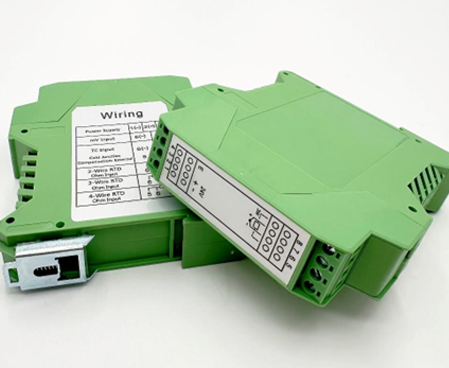
Common Temperature Transmitter Board Faults and Troubleshooting: Solving Signal Errors and Stability Issues
Temperature transmitter boards play a crucial role in industrial temperature measurement setups. They transform signals from sensors such as thermocouples and resistance temperature detectors (RTDs) into useful data for analysis. Yet, with time or harsh surroundings, these boards may face problems that harm their operation. Grasping these problems well and learning how to fix them can greatly boost the dependability and precision of the setups. This guide covers typical faults in temperature transmitter boards. It offers fixes for handling signal errors. Plus, it helps secure lasting steadiness.

Identifying Common Faults in Temperature Transmitter Boards
What Are the Most Common Faults in Temperature Transmitter Boards?
Temperature transmitter boards are intricate gadgets. Many kinds of faults can impact their work. Here are some of the usual troubles:
Signal Drift: As time passes, temperature transmitter boards might see a slow shift in signal output. This results in wrong readings. It often stems from outside factors like varying temperatures, worn parts, or bad calibration.
Signal Loss: At times, the temperature transmitter board cannot send any output signal. This makes the whole system useless.
Output Saturation: If the signal from the transmitter goes beyond the board’s limits, it can cause output saturation. As a result, readings become way too high or too low.
Incorrect Readings: When the transmitter board lacks proper calibration, it gives faulty readings. This can weaken the entire system’s purpose.
How Does Signal Drift Affect Temperature Transmitter Boards?
Signal drift happens when the transmitter board’s output shifts bit by bit over time. It usually comes from shifts in surroundings or old parts. This leads to readings that get more and more off-track. Consequently, it creates mistakes in temperature oversight and control. For instance, a temperature transmitter board in a factory might suffer drift from steady contact with intense heat, shaking, or dampness. Frequent calibration and upkeep can cut down drift. They also keep readings precise.
Troubleshooting Signal Errors in Temperature Transmitter Boards
How Do You Diagnose Signal Loss in a Temperature Transmitter Board?
Signal loss is a frequent problem. It can arise from various reasons:
- Wiring Issues: Broken wires or shaky links can block the signal path. Thus, they cause signal loss.
- Faulty Sensor Connections: A weak link between the temperature sensor and the transmitter board can lead to signal breakdown.
- Power Supply Problems: Low power or uneven voltage can make the transmitter fail. It then stops sending data.
To spot signal loss, try these steps:
- Inspect the wiring: Look for clear signs of damage, cuts, or loose parts.
- Test the power supply: Confirm the board gets steady power in its required range.
- Verify sensor compatibility: Ensure the sensor fits the transmitter board right. Also, check for issues in the sensor.
How to Handle Output Saturation in Temperature Transmitter Boards?
Output saturation takes place when the temperature reading goes over the transmitter board’s capacity. It produces a signal that spikes too high or falls too low. This often results from wrong sensor setup or outside factors pushing the sensor to extreme outputs.
To fix output saturation:
Adjust sensor calibration: Set the sensor to fit the planned temperature span.
Verify environmental conditions: Think about if harsh temperatures or other outside effects are troubling the sensor’s steady signal.
Check grounding: Bad grounding or electromagnetic interference (EMI) can spark false signals. Make sure grounding is correct to lessen such disruptions.
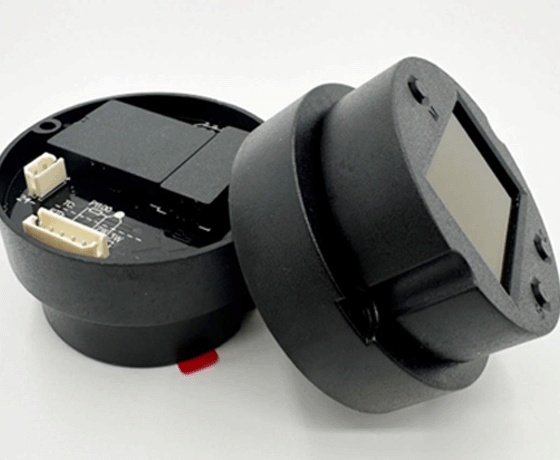
Stability Issues and How to Solve Them
What Causes Stability Problems in Temperature Transmitter Boards?
Stability troubles in temperature transmitter boards often arise from:
- Poor PCB Design: Weak heat adjustment or unfit signal handling parts can bring instability.
- Environmental Influences: Strong vibrations, moisture, or wide temperature swings can harm the transmitter’s steadiness.
- Aging Components: As years go by, parts like capacitors or resistors can wear out. This affects the transmitter board’s function.
How Can You Improve Stability in Temperature Transmitter Boards?
To tackle stability woes and better performance:
- Use high-quality components: Pick dependable, precise parts that stand up to outside factors like heat changes and jolts.
- Implement proper thermal compensation: See to it that the transmitter board has good heat control. This cuts the effect of temperature shifts on its work.
- Regular recalibration: Do usual recalibration to keep the transmitter board’s precision and steadiness.
- Use shielding: Protect the board from electromagnetic interference (EMI) with right covers and grounding methods.
ICwalk Temperature Transmitter Board Solutions and Their Impact on Fault Prevention
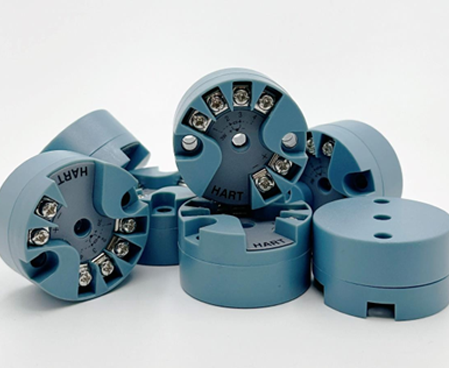
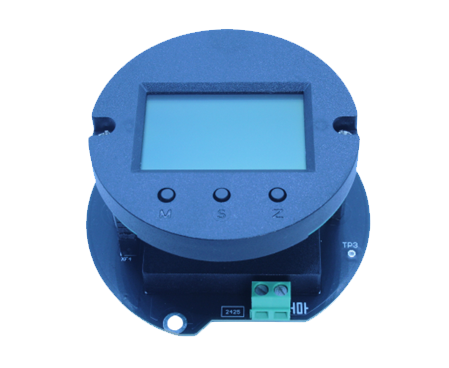
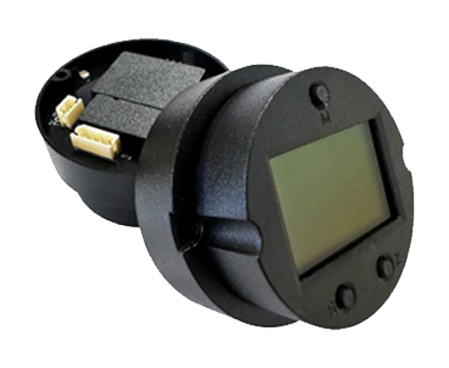
At ICwalk, we focus on creating top-notch temperature transmitter boards. They aim to solve usual challenges in industrial setups. Our temperature transmitters, like the H648WD and H649WD series, are built for exactness, firmness, and enduring trust in tough spots.
- High Accuracy and Stability: Our temperature transmitter boards include built-in cold junction compensation. They also have special algorithms. These ensure steady precision, even in hard conditions.
- Robust Design: We apply modern PCB layouts and top parts to stop troubles like signal drift and output saturation.
- Customizable Solutions: We provide options for sensor matching and output setups. This lets you select the ideal fit for your needs.
- Easy Calibration and Troubleshooting: Our items have simple setup software. It makes calibration and fixing problems quick and clear.
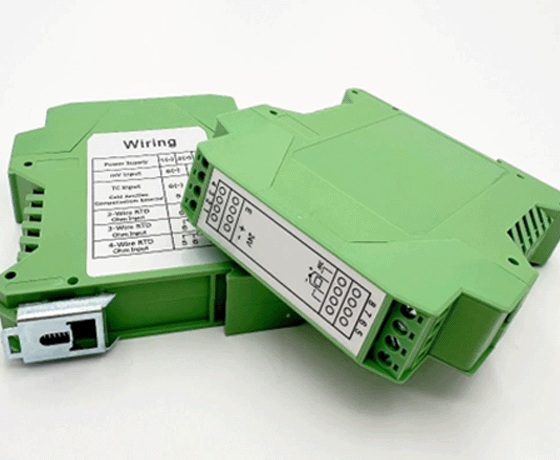
How to Ensure Consistent Performance from Your Temperature Transmitter Board
Grasping and fixing usual faults in temperature transmitter boards is key for steady and exact temperature checks in industrial setups. By spotting issues like signal loss, output saturation, and drift, then acting ahead to avoid them, makers can secure long-lasting reliability. At ICwalk, our strong transmitter boards are made to cut faults, raise precision, and support smooth work in the toughest settings.
FAQ
Q: What should I do if my temperature transmitter board stops sending signals?
A: Start by checking the wiring for loose spots or harm. Confirm the power supply is firm and gives enough voltage. If it keeps happening, look at the sensor for problems. Also, check if it matches the transmitter board.
Q: How can I fix signal drift in my temperature transmitter board?
A: You can often correct signal drift by recalibrating the transmitter board. Do this often, mainly in places with changing temperatures. On top of that, top parts and protection from interference can reduce drift as time goes on.
Q: Why is my temperature transmitter board showing incorrect readings, and how can I resolve it?
A: Wrong readings might come from sensor mismatch, weak calibration, or outside disruptions. Make sure the sensor works with the transmitter. Then, recalibrate the setup. If needed, guard the transmitter from effects like EMI. Or, use parts that adjust for temperature.