Near-Field Communication Explained: NFC in 2026
Near-field communication (NFC) technologies are changing the way devices share data quickly. As contactless methods grow, NFC turns into a common tool for digital payments, safe access, and IoT links.
What Is Near-Field Communication and How Does It Work?
NFC serves as a short-range wireless method that lets two matching devices swap details when placed only a few centimeters apart. Simple on the surface, NFC relies on a complex electromagnetic setup that supports current mobile setups.
The Basic Principles of Near-Field Communication
NFC works via electromagnetic induction between two loop antennas. This setup allows two-way talk without touching. NFC expands on current RFID rules but adds active features that fit smartphones, payment points, and smart cards.
Core Components of an NFC System
An NFC system usually has three main parts:
- Initiator:Creates the radio frequency (RF) field to begin the talk.
- Target:Answers the initiator’s signal and works as either passive or active equipment.
- Communication Modes:Reader/writer, peer-to-peer, and card emulation modes set how data moves between devices.
These parts lead to flexible uses — from opening hotel doors with phone keys to moving files between phones.
Common Applications in Everyday Life
In routine activities, near field communication drives touch-free payment setups like phone wallets and smartwatches. NFC also backs public transport passes stored in phones. Smart posters with NFC tags let users get product info or deals right away by tapping devices.
How Is NFC Evolving by 2026?
As sectors need quicker and stronger data moves, near field communication keeps improving to reach better speed levels. The path ahead for this technology focuses on blending quickness with better coding and fit across systems.
Technological Advancements Driving Change
By 2026, NFC chips will show faster data speeds that work for IoT setups needing quick match-up. Links with ultra-wideband (UWB) will add exact position sense to touch-free talks — so devices find each other within centimeters. Coding rules will improve too, guarding key deals like phone banking or ID checks.
Emerging Use Cases Across Industries
The health field uses NFC wearables for spotting patients and following meds. Stores set up smart shelves that spot items through built-in tags to offer custom deals or reward points. Car makers grow keyless entry with phones as digital keys — boosting safety and ease.
The Role of Field Communicators in Future NFC Networks
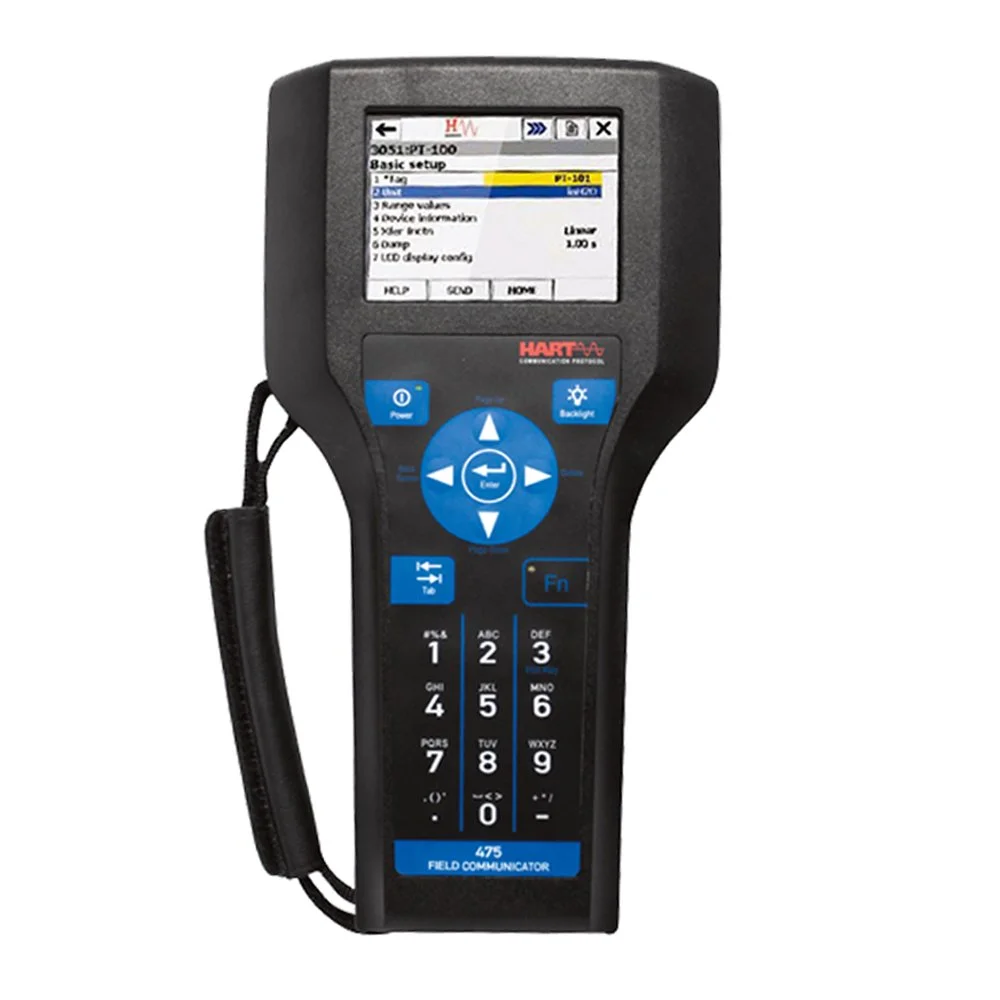
While users enjoy smooth tap actions, workers use komunikator lapangan tools to ensure these systems run well.
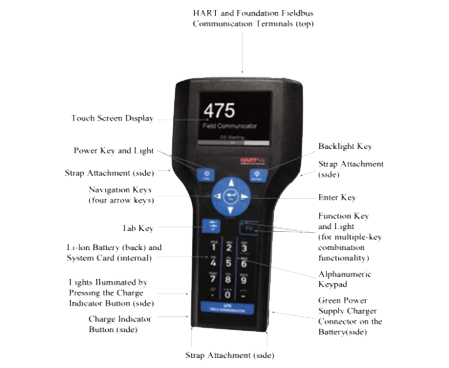
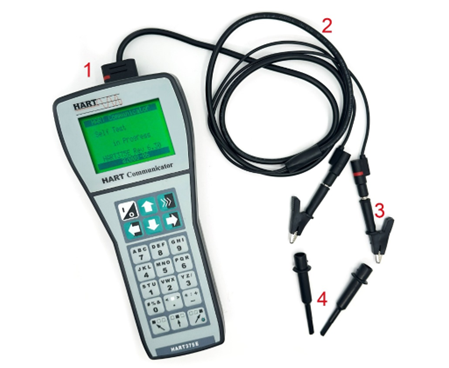
yang Komunikator Lapangan H475 handles HART fieldbus devices, so setup or fixes happen in the field. This feature helps workers check fit across gear from various makers while holding steady work levels. Newer communicators give checks for big industrial IoT setups where steady work matters most.
Why Is Security a Key Concern for Near Field Communication?
With wider use in money matters and ID handling, safety stays at the heart of NFC’s growth. Every tap needs to secure data integrity and block unwanted grabs or copies.
Potential Vulnerabilities in NFC Systems
Even with short reach, listening in can occur if foes use special antennas close by. Relay attacks grab real signals in transit, and copy threats can harm entry cards or ID badges.
Security Enhancements Implemented by 2026
To fix these issues, tokenization swaps fixed card numbers for changing ones in deals. Multi-step checks now mix PINs with body scans like prints or face matches. Built-in coding parts in phone chips add more protection against changes or bad software.
How Will Near Field Communication Shape Smart Cities?
City areas rely more on joined networks where sensors talk on their own — a spot where near field communication plays a main part.
Integrating NFC Into Urban Mobility Systems
Cities take on single fare setups that tie buses, trains, taxis, and bike shares under one phone wallet. Riders get live trip news via NFC stands or phones by tapping at stops.
| Application | Benefit | Example |
| Public Transport | Faster ticket validation | Metro gate entry via phone |
| Parking Systems | Seamless payment | Tap-to-pay parking meters |
| Shared Mobility | Unified account login | Bike-share dock activation |
This joining eases city travel and cuts work costs for transport groups.
Enhancing Public Safety and Sustainability Through NFC Solutions
Smart trash bins with inner sensors send full-level info using NFC tags for ID to plan pickup paths better. Entry setups at public sites use touch-free checks for worker logs. Power-saving light networks log upkeep via fast tap notes on worker devices — making clear tracks of city tasks.
Summary: The Future Outlook for Near Field Communication in 2026

By 2026, near field communication will blend deeply into user devices and factory tasks alike — joining items from health bands to plant sensors via safe brief-range swaps.
ICwalk, we are a Beijing-based high-tech enterprise established in 2007, dedicated to revolutionizing industrial automation through precision instrumentation and intelligent process control solutions. Our expertise spans more than sixteen years across fifty countries, where we deliver OEM components compliant with global standards such as HART and PROFIBUS-PA. Backed by experienced engineers and innovators, we combine R&D excellence with industry insight to deliver reliable connectivity infrastructure supporting modern NFC applications.
Our philosophy emphasizes reliability first; our products thrive even in high-interference environments like oil platforms or power plants thanks to mean-time-between-failure rates exceeding industry benchmarks. With intuitive design principles that reduce training costs and operational risk, we continue advancing technologies that align with evolving client needs worldwide.
FAQ (Pertanyaan umum)
Q: What are the main advantages of near field communication compared to Bluetooth?
A: NFC uses less power than Bluetooth and links up fast without setup steps. This suits jobs needing quick replies, such as payments or ticket checks, where seconds count.
Q: How can I choose a reliable field communicator for industrial use?
A: Pick one that matches current rules like HART or Foundation Fieldbus. Check for strong build marks, easy screens, long battery run, and update help like those in pro communicators for automation fields.
Q: Can near field communication be safely applied in financial transactions?
A: Yes. New setups use tokenization with coding layers in hardware plus body checks like prints or face ID — so touch-free payments stay very safe if set right.
Q: Which industries benefit most from implementing near field communication technology?
A: Healthcare uses NFC for patient watches; retail takes it for reward plans; logistics puts it to track goods; transportation counts on it for tickets — showing fit in public and business areas.
Q: How does a field communicator contribute to maintaining reliable near-field communication networks?
A: A komunikator lapangan helps workers in setup by spotting link issues and checking rule match among linked devices. It eases upkeep tasks while cutting stop time in tough IoT setups under HART rules backed by ICwalk engineering skills.
Posting terkait
-
Cara Mencocok Papan Transmitter Tekanan dengan Sensor Tekanan Silikon Didifusi
bulan April 09,2026
-
Faktor Apa yang Mempengaruhi Desain Papan Sirkuit Transmitter Tekanan?
Maret 13,2026
-
Memaksimalkan Efisiensi Kontrol Proses dengan Papan Transmitter Aliran: Panduan Lengkap
Maret 27,2026
-
Input RTD 3-Wire vs 4-Wire: Apa yang Harus ditangani Elektronik Transmitter Anda
Februari 02,2026
-
Cara Memilih Komunikator Lapangan yang Tepat untuk Aplikasi Industri Anda
bulan April 03,2026