

Capacitive vs Ultrasonic Level Measurement for Chemical Tanks in 2026
When it comes to choosing a level measurement method for a chemical tank, A selection is more than just singling out the right sensor types. There are many factors that go on to influence the final result. This involves the liquid, tank shape, available space and vapor occurrence. Also, upkeep plans and the control-system interface are important influences. Capacitive and ultrasonic instruments work in very different ways. As a result, the advantages and disadvantages of each manifest in different areas of an application.
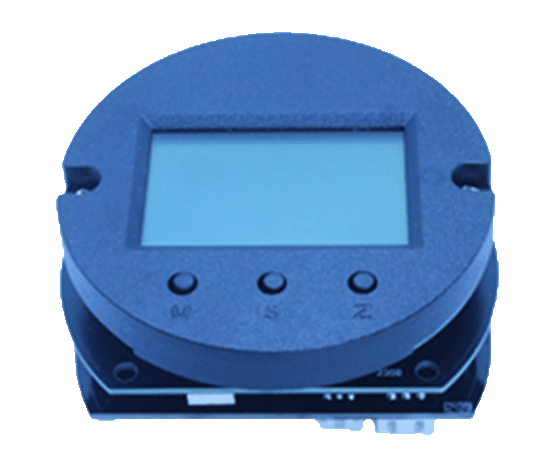
An even deeper layer exists beneath this most rudimentary of sensing methods, and instrument makers face another challenge in how to detect this. You need to factor in the electronics that will convert a reading from any given sensor into an easily accessible level. ICwalk enters transmitter boards to integrate OEM. The H509 board with capacitive level transmitter is part of this lineup. Instead of delivering a completely assembled level transmitter, we provide the electronic core. The OEM selects the probe, process connection and housing from there. They take care of the components and required authorities for the end product as well.
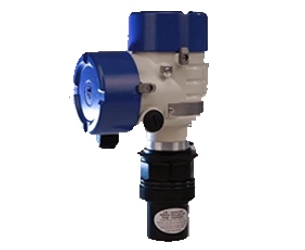
How Do Capacitive and Ultrasonic Level Sensors Work?
Capacitive Level Sensor: A capacitive level sensor measures a change in capacitance near its primary sensing element. The liquid level either raises or lowers. That impacts the electrical connection between a probe and its nearby surroundings. This change is sensed by a circuit board similar to that found in the H509. It then translates that data to a dependable measurement signal.
How does ultrasonic level sensor works? Then it measures the returning echo. It measures the time it takes for this echo to come back, taking into account how far away that surface is. Then it calculates the actual level according to tank dimensions. It does so without inserting a probe into the liquid, which is what has been done traditionally. On the other hand, a capacitive design uses an actual sensor body located right in your application.
Neither approach is universally perfect for every single chemical tank. Actual process conditions matter greatly. Furthermore, specific installation details dictate whether the chosen sensor can deliver a steady, accurate measurement.
Which Method Suits a Chemical Tank?
When non-contact tracking is needed, an ultrasonic level sensor often looks like a good choice. The best scenario is that the tank has a clean unobstructed flow to reaching the liquid surface. But, the sound echo gets disturbed by various reason. This includes vapour hugging, heavy foam generation, fluid geysers and internal blockages Problems can also be caused by a shifting surface. The instrument builder has to test performance in real tank conditions. Generally, the thinking is that they should never assume a pristine test vessel perfectly mimics daily plant operations.
This is perfectly suitable for setups that allow reading via a probe based capacitive level sensor. This works effectively when the sensing element is a match for both the contents being stored and vessel in which it will be housed. The only essential things remains the probe itself and its implementation. Reading has to rely on a surface of material build-up, sticky coatings, and shifting fluid properties. It is possible that the use of improper wetted material could also have an adverse impact on service life. Chemical compatibility must be checked by engineers. They must also take into account the specific material, its concentration, working temperature and system pressure.
The principal question is which sensing principle are you best suited to the particular demands being made by that vessel. It means the right probe configuration and hardware must also match those requirements too. In instances where the specific tank conditions are indeterminate, an OEM may test both methods. The OEM could try both methods if what the tank is doing exactly is still not clear.
Why Does the Transmitter Board Matter?
The detecting component produces a basic electric reaction. This raw data is then interpreted by the transmitter board. Circuit module — The Circuit module is a vital bridge in any design of process control board transmitter. Which couples the physical sensor and main plant control loop The input signal is conditioned and calibration data applied in this module. It manages output behavior, and provides the shared values it supports. A good sensor will be squandered if the electronics is poorly designed. A well-qualified, properly-installed probe is also necessary for even the best board to operate as intended.
yang ICwalk H509 capacitance level transmitter board serves as the central component of a level gauge. Published specifications for this board highlight a 40–6000 pF sensor range and a fine 0.002 pF resolution. It requires a 9–32 V DC supply. It also features a two-wire 4–20 mA output with HART capability. The official product page lists electrical isolation up to 1000 V DC between the sensor and the main circuit. Other features include multi-point manufacturer calibration, local high and low trim settings, and damping adjustment. Users can also select an optional display configuration.
These points represent board-level features. They do not guarantee overall finished-instrument accuracy in every possible tank. The final outcome relies heavily on the sensor design, wiring, and proper calibration. Process installation, the outer enclosure, and the plant control system matter just as much. The level transmitter board category contains other distinct sensing approaches. Therefore, OEMs can easily compare the entire product family against their specific design goals.
Matching the board to the sensor and process
Choosing the right board starts with basic, practical inputs. These include the sensor type, expected capacitance range, and target level range. Power supply, output format, display options, and communication needs are also vital. Environmental limits play a big part as well. Furthermore, the probe shape and process connection hold significant importance. Sharing these specific details early helps engineers spot interface issues long before finalizing the design.
The H509 offers helpful calibration points and local adjustment functions. However, every OEM must establish a consistent, repeatable method for their final assembly. Builders should use proper reference conditions and cover the entire intended measurement range. They must also record all test results carefully after installing the board and sensor together.
What Do HART and 4–20 mA Offer in the Field?
Basic 4–20 mA loop offers operators a standardized solution for sending the level value This signal is then fed to a PLC or distributed control system. HART technology superimposes digital communication directly over that same loop. This enables enhanced configuration and verbose diagnostic information. This is particularly useful inside a HART level transmitter. Aiding the service teams with verification of range settings and current process values. They can do this without having to rely only on the raw analog signal.
Whether or not the finished instrument is compatible with your systems depends entirely on how it’s implemented. Test the field communicator 375 or other intelligent containing similar functions. Users should compare it with the particular device commands to be used by the OEM and host system program. During the commissioning phase, technicians are able to check several things. OK confirms the configured range, and displays process value along with loop current. They can also guarantee that the flaw behavior conforms to device specification. This is the same level transmitter that sometimes shares a control cabinet with a flow meter. In those cases, individual loop checks assist technicians in isolating potential wiring or configuration issues.
How Should OEMs Validate the Finished Instrument?
The first step of an effective validation steps is the fully assembled unit. Check the Sensor Type and Examine Internal Wiring Then confirm the range of all instruments, and plot them at various reference points. Then compare the suggested value with an expected response. The technicians should check 4–20 mA output and all supported HART data. After that these tests must be performed at multiple points across the entire range of any measurement. The OEM’s guideline should precisely define the stringent acceptance limits and also specify what exactly needs to be recorded.
An example here would be if a technician asks, how to calibrate this specific device? The correct response is completely dependent upon selecting the probe, the tank along with a wholly finished transmitter. What does not work is to calibrate the board on its own. It does not settle the question that whatever instrument is installed there will give an accurate reading of its contents. Testing that is physical should provide conditions as close to final mounting style, wiring layout and the normal day-to-day process. Also, the official servicing process must be in compliance with all local site safety regulations. And especially important prior to performing work in hazardous areas
What About Toxic, Corrosive, or Explosive Applications?
The two sensing approaches need to be engineered carefully with an eye toward the application being considered. For a capacitive design, the wetted probe materials and seals will need to be designed for use with this aggressive chemical. Coatings and fittings that are process must also match the fluid. The OEM has a different task with the non-contact ultrasonic design. They still have to examine where the instrument’s mounting location and exterior cage would be. You also need to closely review operating temperature and direct contact with the atmosphere inside of tank. Regardless of the arguments in either direction, a sensor type choice alone will not ensure chemical compatibility.
A second requirement at the system level is introduced due to the presence of flammable or explosive environments. The total completed instrument needs to make use of a legitimate protection idea. Finally, it must obtain the relevant safety endorsements for its preferred stejně as well. This is why the outer enclosure, internal wiring and ordering of energy input are all very important factors. Thermal behavior, correct mounting and tight manufacturing controls are of equal importance. Bare process control board is not intrinsically safe or explosion-proof by nature. The last manufacturer of instrument carries the absolute responsibility for evaluating complete device and receiving formal approval.
Why Instrument Manufacturers Choose ICwalk Boards
We resolve the difficult signal processing and HART communication challenges for our clients. This allows you to focus entirely on mechanical design and physical process connections. Our specific role is providing the reliable circuit module inside the instrument. We collaborate closely with OEMs on board-to-sensor interfaces and special customization needs. Meanwhile, the manufacturer retains full control over the probe, enclosure, and process connection. They also manage all finished product requirements. Visitors can find more details about ICwalk and our OEM focus directly on our official website.
For a detailed H509 discussion, manufacturers should share several key facts. These include the sensing element, expected capacitance span, and total measurement range. Desired output, HART requirements, display needs, and power supply are also important. Finally, clients should mention installation conditions and their main approval target. Our complete product range includes many additional process instrument boards. If you wish to discuss a specific integration project, please contact our team with your exact application details.
Kesimpulan
Capacitive and ultrasonic level measurement methods solve the same general problem. However, they use very different sensing principles to do so. Ultrasonic instruments rely on a sound echo bouncing from the fluid surface. On the other hand, capacitive designs read electrical changes directly at a submerged probe. Specific tank conditions, material properties, and installation limits dictate the best choice. Maintenance needs also help determine which approach deserves real-world testing for a given application. For OEMs building a capacitive instrument, the ICwalk H509 board supplies the necessary internal electronics. This includes a stated 40–6000 pF sensor range and a precise 0.002 pF resolution. It also provides a standard 4–20 mA output and HART functionality. The board itself is not a complete transmitter. It also does not carry a hazardous-area approval on its own. The physical probe, process connection, and outer enclosure remain the builder’s responsibility. Calibration and final certification are also key parts of the finished instrument design. Conducting a measured comparison under truly representative conditions gives manufacturers a much stronger basis for their final decision.
FAQs
Q: Is capacitive or ultrasonic measurement better for a 5,000 L tank?
A: You cannot choose a method based on tank volume alone. The correct sensor fit depends heavily on the stored material and the vessel’s geometry. Installation limits and daily process conditions also dictate the best option.
Q: Can the H509 board directly measure a 2,000 kg batch?
A: The H509 simply processes signals from a compatible capacitive sensor. The fully finished instrument must then convert that raw measurement into the required weight units.
Q: Can HART support a 10,000 L vessel?
A: Yes, it certainly can. This works as long as the completed transmitter and the main control system fully support the required HART data and initial configuration.


