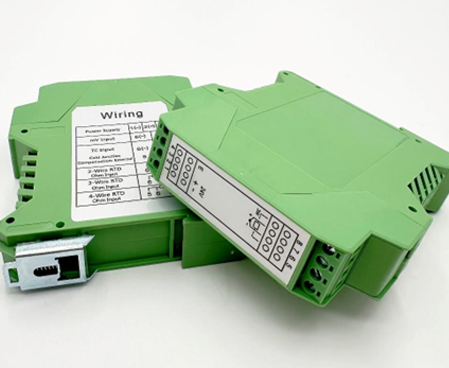
การประมวลผลสัญญาณจะบรรลุในแผงวงจรส่งสัญญาณไหลได้อย่างไร?
พื้นฐานของการประมวลผลสัญญาณในแผงวงจรเครื่องส่งการไหล
แผงวงจรส่งสัญญาณไหลคืออะไรและทำไมการประมวลผลสัญญาณจึงสําคัญ?
แผงวงจรส่งการไหลเป็นการตั้งค่าอิเล็กทรอนิกส์ที่เฉพาะ มันจัดการกับงานของการเปลี่ยนสัญญาณดิบจากเซนเซอร์การไหลเป็นสัญญาณเอาท์พุตมาตรฐานและปฏิบัติ เอาท์พุตเหล่านี้มักจะแสดงอัตราการไหลของของเหลว - ไม่ว่าจะเป็นของเหลวหรือก๊าซ - ภายในท่อหรือช่อง การตั้งค่านี้ช่วยให้มีการควบคุมและการดูแลที่แม่นยำในสถานการณ์อุตสาหกรรม
การประมวลผลสัญญาณมีบทบาทสําคัญในบอร์ดเหล่านี้ มันทำให้แน่ใจว่าสัญญาณเซนเซอร์มีความแม่นยำ มั่นคง และเชื่อถือได้ มันทำสิ่งนี้โดยการตัดเสียงรบกวน เพิ่มสัญญาณที่อ่อนแอ และเปลี่ยนมันเป็นรูปแบบทั่วไป การประมวลผลสัญญาณที่เหมาะสมช่วยป้องกันการวัดที่ไม่สม่ำเสมอจากสิ่ง เช่น ความรบกวนภายนอก ความแตกต่างของเซ็นเซอร์ หรือสถานะไฟฟ้า ดังนั้นการประมวลผลสัญญาณจึงเป็นฐานสําหรับข้อมูลการไหลที่น่าเชื่อถือ
ส่วนประกอบสำคัญที่เกี่ยวข้องกับการประมวลผลสัญญาณ
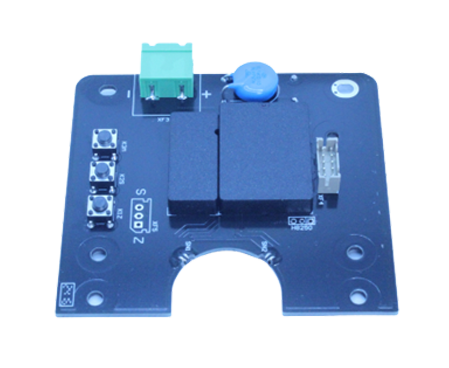
ส่วนหลักของแผงวงจรส่งการไหลประกอบด้วยไมโครคอนโทรลเลอร์หรือโปรเซสเซอร์สัญญาณดิจิตอล (DSP) เหล่านี้จัดการตรรกะการควบคุม และดําเนินการคำนวณ เครื่องแปลงอนาล็อกเป็นดิจิตอล (ADC) เปลี่ยนข้อมูลอนาล็อกจากเซนเซอร์เป็นรูปแบบดิจิตอล เครื่องขยายตัวที่ใช้งานปรับสัญญาณด้วยการเปลี่ยนแปลงการเพิ่มหรื
ตัวกรองเช่นประเภทผ่านต่ำและผ่านสูง ถูกเพิ่มเพื่อบล็อกความถี่เสียงที่ไม่ต้องการ ตัวกรองเหล่านี้เป็นสิ่งสำคัญในจุดอุตสาหกรรมที่ยากที่มีการแทรกแซงแม่เหล็กไฟฟ้า (EMI) เกิดขึ้นมาก การรวมชิ้นส่วนเหล่านี้ทําให้บอร์ดจัดการสัญญาณได้อย่างถูกต้องและน่าเชื่อถือ แม้ในสถานการณ์ที่ยาก

แผงวงจรส่งสัญญาณการไหลประมวลผลสัญญาณได้อย่างไร?
เกิดอะไรขึ้นเมื่อเซนเซอร์ตรวจจับการไหล?
เมื่อเซ็นเซอร์การไหลพบการเคลื่อนไหวของของเหลวในท่อหรือช่อง มันจะสร้างสัญญาณแรงดันไฟฟ้าหรือปัจจุบันอนาล็อก สัญญาณนี้ตรงกับความเร็วหรือปริมาณของเหลวที่เคลื่อนไหวผ่าน จากนั้นสัญญาณอนาล็อกพื้นฐานนี้ไปยัง กระดานวงจรส่งการไหลมันถูกวิเคราะห์และปรับปรุง
สัญญาณอนาล็อกถูกปรับและแปลงได้อย่างไร?
ขั้นตอนแรก เกี่ยวข้องกับการเพิ่มสัญญาณด้วยเครื่องขยายที่ใช้งาน การเพิ่มนี้เพิ่มระดับรายละเอียด และยืนยันว่าการเปลี่ยนแปลงการไหลเล็กน้อยได้รับการสังเกตเห็นอย่างถูกต้อง หลังจากนั้น การกรองเกิดขึ้นเพื่อล้างเสียงไฟฟ้า และแม้กระทั่งการกระโดดในฉับพลันหรือจุดที่ไม่สม่ำเสมอในข้อมูล
ด้วยสัญญาณที่เตรียมพร้อมแล้ว มันย้ายไปยัง ADC อุปกรณ์นี้เปลี่ยนมันเป็นรุ่นดิจิตอล จากนั้นข้อมูลดิจิตอลสามารถจัดการได้โดยซอฟต์แวร์หรือไมโครคอนโทรลเลอร์ในตัว พวกเขาใช้วิธีการที่ฉลาด เพื่อปรับและคิดอัตราการไหลได้อย่างแม่นยำ
สัญญาณเอาท์พุตสุดท้ายถูกสร้างขึ้นอย่างไร?
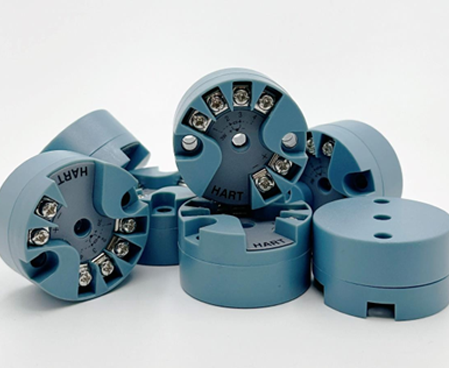
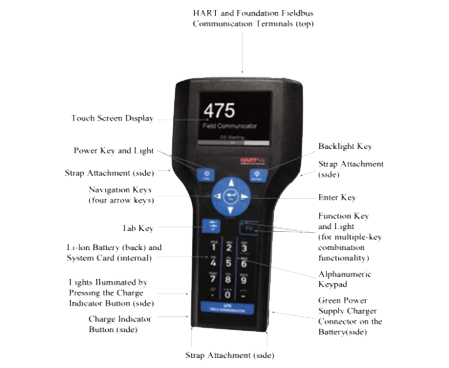
เมื่อการประมวลผลเสร็จสิ้น ไมโครคอนโทรลเลอร์จะสร้างรายละเอียดเป็นสัญญาณผลิตมาตรฐานของอุตสาหกรรม ตัวอย่างรวมถึงลูปปัจจุบัน 4-20 mA หรือวิธีการดิจิตอลเช่น Modbus RTU หรือ HART เอาท์พุตเหล่านี้สําคัญในการส่งข้อมูลสดไปยังตัวควบคุมโลจิกที่สามารถเขียนโปรแกรมได้ (PLC), ระบบ SCADA หรือแผงจอแสดงผล จากนั้น ขั้นตอนหรือมุมมองอื่น ๆ อาจเกิดขึ้น
ICwalk E4000 ซีรีส์ ให้ตัวเลือกผลิตที่สามารถปรับได้ เหล่านี้รวมถึง 4 – เอาท์พุตปัจจุบัน 20mA และโปรโตคอลการสื่อสารดิจิตอล เช่น HART และ MODBUS การตั้งค่านี้ช่วยให้มีการเชื่อมโยงอย่างราบรื่นกับระบบควบคุมและการติดตาม
ปัจจัยที่ส่งผลต่อความแม่นยำของสัญญาณในบอร์ดส่งการไหล
แหล่งทั่วไปของการบิดเบือนสัญญาณคืออะไร?
บางสิ่งที่สามารถบิดสัญญาณในแผงวงจรเครื่องส่งการไหล การแทรกแซงไฟฟ้าแม่เหล็ก (EMI) จากเครื่องจักรใกล้หรือแหล่งจ่ายไฟสามารถเพิ่มความถี่เพิ่มเติมที่ทําให้สัญญาณหลักผิดพลาด การเปลี่ยนแปลงของอุณหภูมิยังมีผลต่อชิ้นส่วนอิเล็กทรอนิกส์ นี่อาจนําไปสู่การเปลี่ยนแปลงในการอ่าน นอกจากนี้ การติดพื้นดินหรือการป้องกันที่ไม่ดีอาจทําให้เกิดลูปพื้นดินหรือการกระโดดแรงดันฉับพลันที่เป็นอันตรายต่อค
ปัญหาเหล่านี้จะลดลงได้อย่างไร?
นักออกแบบใช้การแก้ไขต่างๆ เพื่อลดปัญหาเหล่านี้ สายเคเบิลป้องกันและการจัดเรียง PCB ที่สมาร์ทช่วยลดความเสี่ยง EMI โปรแกรมสำหรับการปรับอุณหภูมิสามารถเพิ่มไปยังเฟิร์มแวร์ได้ พวกเขาปรับเปลี่ยนการอ่านในขณะที่เกิดการเปลี่ยนแปลงความร้อน
การตั้งค่าการแยกป้องกันหลอบพื้นดินและแรงดันไฟฟ้าสูง นี่จะช่วยให้ความชัดเจนสัญญาณไม่เกิดขึ้น และปกป้องแผงวงจรและระบบที่เชื่อมโยงจากอันตราย
การบูรณาการของเทคโนโลยีดิจิตอลในบอร์ดส่งการไหล
เครื่องส่งการไหลที่ทันสมัยใช้การประมวลผลดิจิตอลอย่างไร?
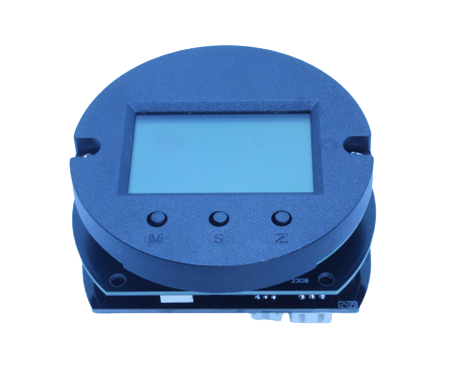
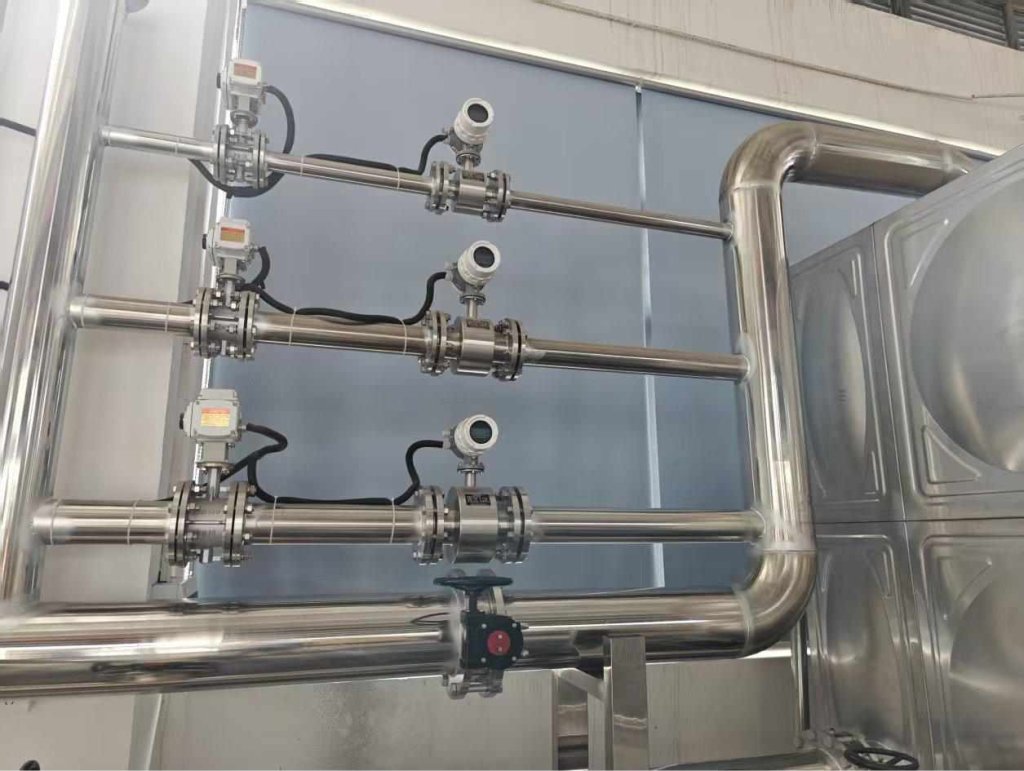
แผงส่งการไหลของกระแส เช่นเดียวกับจาก ICwalk ใช้วิธีการประมวลผลสัญญาณดิจิตอลที่ก้าวหน้า เหล่านี้จัดการกับการกรองทันที การตรวจสอบ และการแก้ไขข้อผิดพลาด คุณสมบัติดังกล่าวปรับปรุงคุณภาพสัญญาณและสนับสนุนการวิเคราะห์ข้อมูลที่แข็งแกร่งกว่า แม้กระทั่งเสี
รูปแบบการประมวลผลและปรับสัญญาณที่ไม่ซ้ำกันของเราเอาชนะคู่แข่งท้องถิ่น พวกเขาให้ความแม่นยำ±0.1% ในจุดที่ยาก นี่ทําให้เครื่องส่งของเรามีประสิทธิภาพที่โดดเด่นในกรณีอุตสาหกรรมมากมาย
นอกจากนี้ ระบบขับเคลื่อนด้วยซอฟต์แวร์ของเรา ช่วยให้มีการอัพเดทไร้สาย นี่หมายถึงประสิทธิภาพที่ดีขึ้นและคุณสมบัติใหม่โดยไม่ต้องเปลี่ยนฮาร์ดแวร์
ข้อดีของสัญญาณที่ประมวลผลด้วยดิจิตอลคืออะไร?
สัญญาณที่จัดการด้วยดิจิตอลนําประโยชน์มากมาย พวกเขาบรรลุความแม่นยำสูงสุด ขอบคุณการกรองที่ฉลาด การตั้งค่าจะง่ายขึ้นด้วยเครื่องมือซอฟต์แวร์ภาพ นอกจากนี้ คุณสมบัติการตรวจสอบเพิ่มขึ้นมากขึ้น เช่น การทดสอบตัวเอง และเตือนสําหรับการบำรุงรักษาล่วงหน้า
กระบวนการผลิตและการทดสอบอัตโนมัติของเรา พร้อมกับบาร์โค้ดอิเล็กทรอนิกส์ที่ติดตาม ให้แน่ใจว่าการทำงานที่แข็งแกร่ นี่เป็นความจริงแม้ในการผลิตขนาดใหญ่
โซลูชั่นแผงวงจรส่งสัญญาณการไหลของ ICwalk
สิ่งที่ทำให้ ICwalkคณะกรรมการส่งสัญญาณการไหลของโดดเด่น?
ที่ ICwalk เรานำความรู้มากกว่า 16 ปีในการให้บริการแผงวงจรส่งการไหลระดับสูง เราช่วยลูกค้าใน 50 ประเทศด้วยชิ้นส่วน OEM และโมดูลที่ฉลาดที่ตรงกับกฎทั่วโลกเช่น HART และ PROFIBUS-PA คำตอบของเราขึ้นอยู่กับอัลกอริทึมที่ได้รับสิทธิบัตรพิเศษเพื่อความแม่
แผงส่ง ICwalk ได้รับความไว้วางใจจากผู้ผลิตเครื่องมือมากกว่า 800 คนในจีน พวกเขามีหลักฐานที่กว้างขวางในโลกจริง เรารองรับหลายประเภทเอาท์พุต รวมถึง 4-20 mA, RS485 / Modbus RTU, เอาท์พุตความถี่ชีพจรและ HART ด้วย นี่เข้ากับการตั้งค่าของคุณได้ง่าย
การออกแบบที่ยืดหยุ่นของเราทําให้การปรับแต่งสำหรับเซ็นเซอร์ประเภทที่แตกต่างกันง่ายขึ้น เหล่านี้ครอบคลุมเครื่องมือไฟฟ้าแม่เหล็ก, vortex, อัลตราโซนิก, หรือท่อโลหะลอย
ใดแอพพลิเคชันสามารถได้รับประโยชน์จาก ICwalk’ s ผลิตภัณฑ์?
ระบบอัตโนมัติอุตสาหกรรม
บอร์ดของเราให้ผลลัพธ์ที่คงที่สําหรับสายอัตโนมัติ พวกเขารักษาการปรับเทียบตลอดเวลา โดยมีการเปลี่ยนแปลงเล็กน้อย แผง ICwalk รักษาการตรวจสอบการไหลที่แม่นยำในสายกระบวนการอัตโนมัติ พวกเขาแสดงให้เห็นถึงการเลื่อนไหวที่น้อยที่สุดเมื่อเวลาผ่านไป
สิ่งอำนวยความสะดวกในการบำบัดน้ำ
ในโรงงานน้ํา ความดันของเหลวสามารถเปลี่ยนแปลงได้มาก การปรับสัญญาณที่แข็งแกร่งของเราทําให้การอ่านมั่นคงในทุกสภาพการทำงาน ช่วยปรับสัญญาณที่น่าเชื่อถือในการดูอัตราการไหลภายใต้ระดับความดันที่เปลี่ยนแปลง
ระบบ HVAC
เนื่องจากการสร้างขนาดเล็กและการตอบสนองอย่างกระตือรือร้น แผงส่งของเราเหมาะกับการตั้งค่า HVAC ได้ดี ที่นั่น การไหลของอากาศต้องดูอย่างใกล้ชิด การออกแบบที่กะทัดรัดและความไวสูงทําให้กระดาน ICwalk สมบูรณ์แบบสําหรับการเพิ่มเข้าสู่ระบบการจัดการอากาศ
คำถามที่พบบ่อย
Q: สัญญาณชนิดอะไรที่แผงวงจรส่งการไหลมักจะออก?
ตอบ: บอร์ดเครื่องส่งการไหลส่วนใหญ่ส่งสัญญาณอนาล็อกมาตรฐานเช่น 4-20 mA หรือระดับแรงดันไฟฟ้า (0-10V) รวมถึงโปรโตคอลดิจิตอลเช่น Modbus หรือพัลส์ / ความถี่ขึ้นอ
Q: ทำไมการกรองจึงสำคัญในแผงวงจรเครื่องส่งการไหล?
ตอบ: การกรองลดเสียงไฟฟ้าที่ไม่ต้องการที่อาจบิดเบือนความแม่นยำในการวัด โดยเฉพาะอย่างยิ่งในสภาพแวดล้อมอุตสาหกรรมที่มี EMI สูง
Q: ฉันสามารถใช้การออกแบบแผงเครื่องส่งการไหลเดียวได้หรือไม่?
ตอบ: ใช่ การออกแบบแบบโมดูลเช่นที่นำเสนอโดย ICwalk ทําให้สามารถเข้ากันได้กับเซ็นเซอร์ประเภทต่างๆ โดยการปรับการตั้งค่าการเพิ่มขึ้น, ช่วงการป้อนข้อมูล, หรือการ