Why Is Calibration Essential for Accurate Flow Transmitter Boards?
How Do Flow Transmitter Boards Ensure Accurate Flow Measurement?
What Are Flow Transmitter Boards and How Does It Improve Measurement Accuracy??
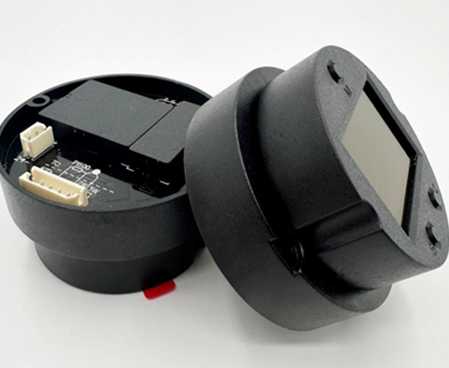
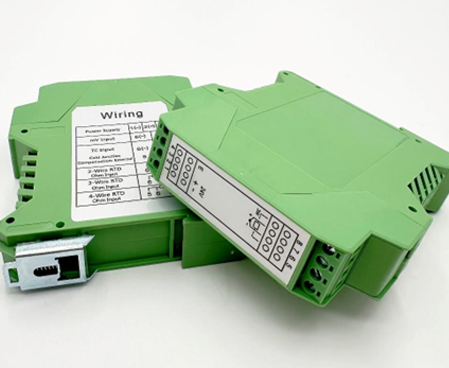
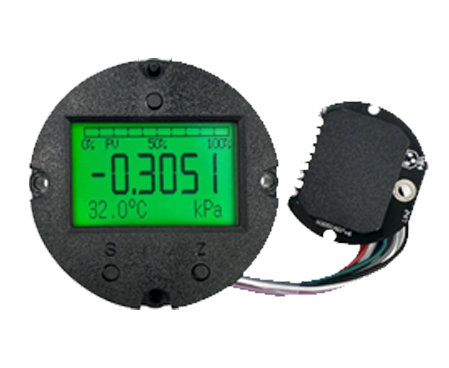
Flow transmitter boards are vital electronic modules. They convert the physical flow of liquids or gases into measurable electrical signals. These boards form the heart of flow measurement devices. Such devices find use in industrial automation, energy management, and environmental monitoring. They make sure that flow data gets captured accurately. Then, it transmits to control systems for analysis and process regulation.
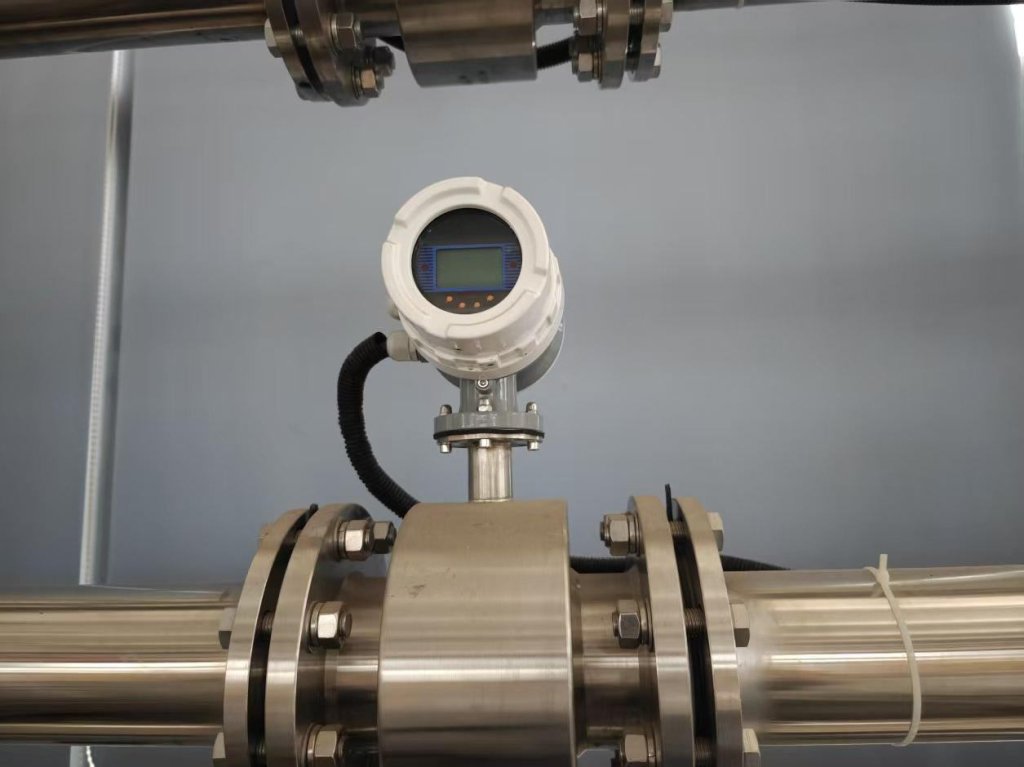
A standard flow transmitter board includes several main parts. There is a sensing element that picks up the flow rate. A signal conditioning circuit amplifies and filters the signal. An analog-to-digital converter handles precise digitization. Plus, a communication interface like HART or RS485 sends data. Each part helps deliver dependable performance in different working conditions.
ICwalk’s product range features Vortex Flow Transmitter Board, Ultrasonic Open Channel Flow Transmitter Board, Micro-flow Metal-tube Flow Transmitter Board, Intelligent Metal Tube Rotor Flow Transmitter Board, and Electromagnetic Flow Transmitter Board E4000. These items are built for accuracy and toughness in many sectors.
How Do Flow Transmitter Boards Work?
Flow transmitter boards function by spotting changes in fluid dynamics inside a pipe or channel. They use sensors like vortex, ultrasonic, electromagnetic, or rotameter types. The sensor turns mechanical movement or pressure shifts from fluid flow into an electrical signal. This basic signal goes through amplification and filtering circuits. After that, it becomes a standard output, often 4–20 mA current. Optional digital protocols like HART or Modbus RTU are available too.
For example, the E4000 series provides versatile output choices. These include 4–20mA current output and digital communication protocols such as HART and MODBUS RTU. This setup allows easy links to control and monitoring systems. Through these methods, flow transmitter boards guarantee exact real-time tracking of flow details. Such details are key for industrial tasks.
How Does Calibration Improve the Accuracy of Flow Transmitter Boards?
Why Is Calibration Crucial for Accurate Measurements?
Calibration makes sure that flow transmitter boards give exact readings. These match known standards. Over time, things like temperature changes, humidity, vibrations, or part wear can cause drifts in measurements. Regular calibration matches the device’s output to reference standards. This keeps accuracy steady.
Calibration boosts reliability as well. It cuts down systematic errors. In fields like petrochemical processing or water treatment, even tiny errors can cause big losses or safety risks. So, keeping precise calibration is essential. It helps meet quality rules and regulations. It also improves how operations run.
How Often Should Flow Transmitter Boards Be Calibrated?
The timing for calibration varies based on elements like surroundings, how much it gets used, and what the maker suggests. Usually, yearly calibration works for most industrial uses. But places with big temperature shifts or harsh materials might need checks more often.
Our automatic production and testing setups promise solid performance for each board. This holds true even in big batches. Such reliability lowers the call for frequent recalibration. Yet, it does not remove the need completely. Checking periodically stays vital for long-term precision.
The Process of Calibrating Flow Transmitter Boards
What Are the Steps Involved in Calibration?
The calibration process starts with a first check. It verifies basic performance against standard references. The transmitter board links to a calibration setup. There, controlled flow rates apply using certified tools. Output signals compare to expected values. This spots any differences.
Then comes adjustment. It fine-tunes zero points and span settings. You can use onboard buttons or setup software for this. The goal is to make readings match reference standards. Newer devices often have built-in features. These allow multi-point calibration right from their display.
For instance, the H837 micro-flow metal-tube flow transmitter board offers 2–16-point calibration choices. These ensure exact matching across different flow levels. After adjustments finish, verification tests check stability. Finally, records of results get documented.
Tools and Equipment Needed for Calibration
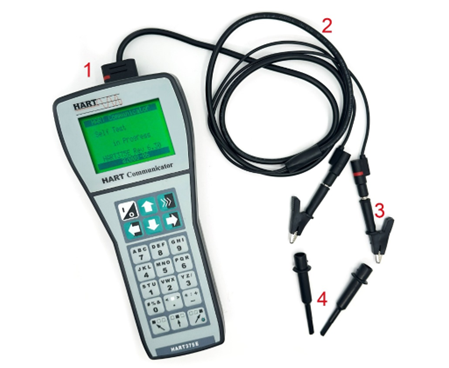
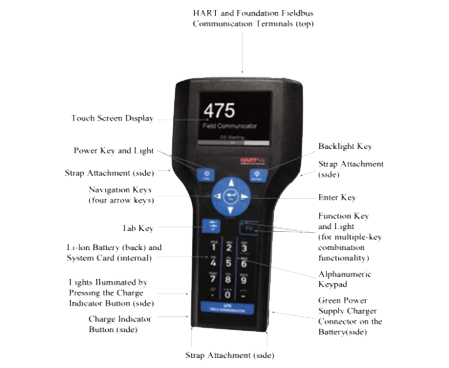
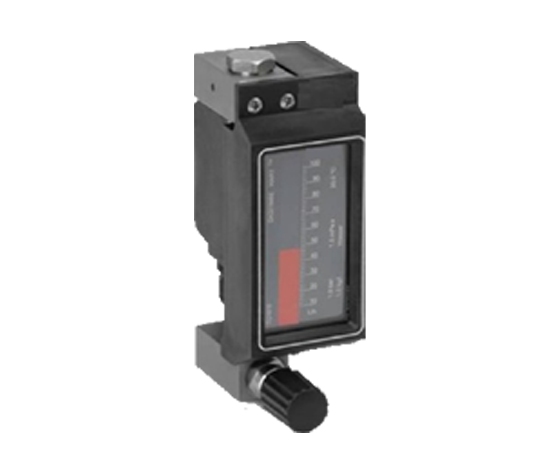
Precise calibration calls for special tools. These include reference flow meters, pressure regulators, temperature controllers, multimeters, and field communicators. The H475 Field Communicator works with HART fieldbus devices. It lets you set up or fix issues in the field. Technicians can read diagnostic info and make changes quickly during on-site care.
Safety steps must always apply. Proper grounding of gear and following voltage isolation rules prevent harm or damage during the work.
What Are the Common Challenges in Calibrating Flow Transmitter Boards?
What Issues Can Arise During Calibration?
A few problems might pop up during calibration. Sensor drift happens from aging parts. Signal noise comes from electromagnetic interference. Wear occurs from rough fluids. Environmental effects like temperature changes can upset sensor steadiness. If not fixed, these can twist readings.
To handle these problems:
- Pick transmitters with built-in compensation methods.
- Add shielding to block interference.
- Plan preventive upkeep.
- Use automated testing setups for uniformity.
Our automated production lines have real-time fault checks. They ensure ISO-compliant quality. These advances greatly cut human mistakes. At the same time, they keep trackable accuracy for all produced units.
How Do ICwalk’s Flow Transmitter Boards Improve Measurement Accuracy?
O que faz ICwalk’s Products Stand Out?
At ICwalk, we focus on creating advanced flow measurement tech. It suits precision-focused industries around the world. ICwalk transmitter boards earn trust from over 800 instrument makers in China. They have wide field testing. Our answers mix patented methods with smart production lines. This delivers ±0.1% accuracy, even in tough spots.
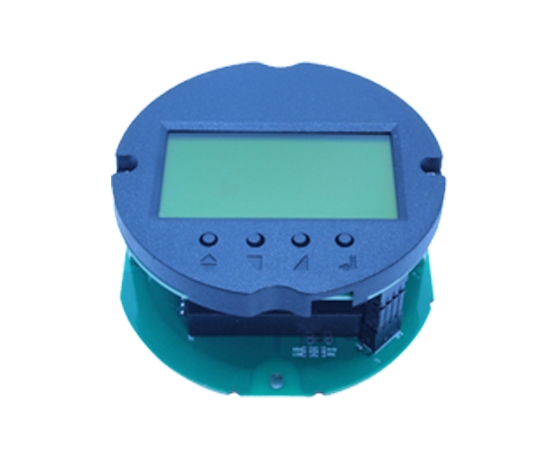
Our site displays models like Vortex Flow Transmitter Board and Electromagnetic Flow Transmitter Board E4000. You find them in our “Flow Transmitter Board” category. Each model blends strong communication protocols (HART/RS485), easy-to-use LCD screens, backup recovery options, and high dependability. These fit complex industrial settings.
The perks of picking our calibrated boards include:
- Smooth fitting with current systems.
- Less downtime from steady running.
- Affordable tailoring to exact needs.
- Personal one-on-one tech help for easy rollout from design to big production.
Benefits of Using ICwalk’s Calibrated Flow Transmitter Boards
Our calibrated options give steady measurement precision in varied areas. Think oil & gas pipelines to wastewater plants. They help clients meet rules without hassle. Full setup software aids one-stop calibration and startup. This eases setup. It also keeps records through your tool’s life cycle.
By mixing fresh ideas with a focus on reliability, we help customers improve processes well. They do this without risking safety or performance levels.
FAQ
Q: What Happens If a Flow Transmitter Board Is Not Calibrated Regularly?
A: Skipping regular calibration can cause wrong readings. These hurt process control quality. It might lead to system waste, product flaws, possible safety dangers, and higher upkeep costs later. This comes from hidden issues or off readings.
Q: Can I Calibrate a Flow Transmitter Board Myself?
A: Some models allow local tweaks via built-in buttons or setup software. Still, expert calibration is best for top results. Trained techs use traceable standards. This ensures rule compliance and lowers error risks in tweaks.
Q: How Does Temperature Affect the Accuracy of a Flow Transmitter Board?
A: Temperature shifts can make sensing parts expand or shrink. This leads to drifts in measurement precision. So, many ICwalk transmitters have automatic temperature compensation. These keep readings stable in changing surroundings during work and calibration.