Qual é o papel que um nível de controle e controle de bordo desempenha na eficiência do transmissor?
O que é um Conselho de Controlo de Nivel e Como Funciona?
Um painel de controle de nível para um transmissor serve como um componente eletrônico vital. Ela gerencia e supervisa os níveis de sinais dentro de uma configuração de transmissor. Este módulo atua como a inteligência central para transmissão constante de sinais. Ela ajusta as configurações na mosca para manter a transmissão no seu melhor. O conselho lida com empregos chave. Estes incluem controlar o ganho, adicionar filtros de sinais e usar ciclos de feedback. Tudo isso assegura que a saída permanece dentro dos limites de amplitude certos.
Esses painéis abordam mudanças de sinais instantaneamente. Eles se ajustam para mudanças de entrada ou ambiente imediatamente. Isto impede subitas elevações ou baixas de energia de sinal. Assim rápido correcções são importantes tanto nas instalações analógicas antigas quanto modernas. Aqui, precisão e estabilidade formam a base de bom desempenho.
Por que é importante regular o nível de sinais nos transmissores?
Manter os níveis de sinal em controle é a chave de qualquer transmissor. Afecta a qualidade e a dependibilidade dos dados enviados diretamente. Sem controle, os sinais distorcem facilmente. Isso leva a confusões ou informações arruinadas, particularmente em pontos difíceis como fábricas químicas ou controles de petróleo e gás. Os níveis estáveis aumentam a clareza. Eles também cortam as mensagens repetidas, o que significa fluxo de dados mais suave.
Além disso, sinais controlados economizam energia. O sistema evita empurrar peças demasiado duramente durante aumentos de energia ou tensões em momentos fracos. Em vez disso, funciona em uma gama de energia doce. Isto corta o uso de energia e protege mais tarde partes de estranhos erros elétricos.
O impacto dos conselhos de controle de níveis na eficiência dos transmissores
Como um conselho de controle de níveis melhora a eficiência energética?
Taboleiras de controle de nível aumentam muito a poupança de energia em instalações de transmissores. Eles fazem isso mantendo os níveis de saída estáveis. Como resultado, o desperdício de energia extra cai. Quando as entradas variam, por exemplo, de mudanças climáticas ou mudanças de carga, o tabuleiro entra. Ele ajusta o ganho imediatamente. Isto evita um aumento excessivo, o que muitas vezes desperdiça energia e aumenta calor.
O controle inteligente reduz o calor em todas as partes do transmissor. Isso significa uma vida mais longa para o equipamento e uma manutenção mais barata. Com menos pressão de calor, as coisas correm mais suavemente. Também reduz os riscos de degradação. Isso prova ser extremamente importante em lugares difíceis como plataformas marinhas e automatização fábrica.
De que modo os conselhos de controle de nível melhoram a qualidade dos sinais?
Um grande aumento de adicionar um painel de controle de nível é melhor clareza do sinal. Ele corta ruído e bloquea interferência. O painel elimina frequências ruim que poderiam destruir o sinal. Também faz mudanças no local. Isso mantém as coisas limpas e firmes em condições ou operações de mudança.
Saúde mais forte dos sinais significa menos repetições para envios. Isso eleva a correcção dos dados e a resposta rápida. It’ é uma verdadeira ajuda em campos como fabricação de drogas e limpeza de água, onde a exactidão e confiança contam mais.
Integração de conselhos de controle de níveis em diferentes sistemas de transmissão
Os painéis de controle de nível são compatíveis com vários tipos de transmissores?
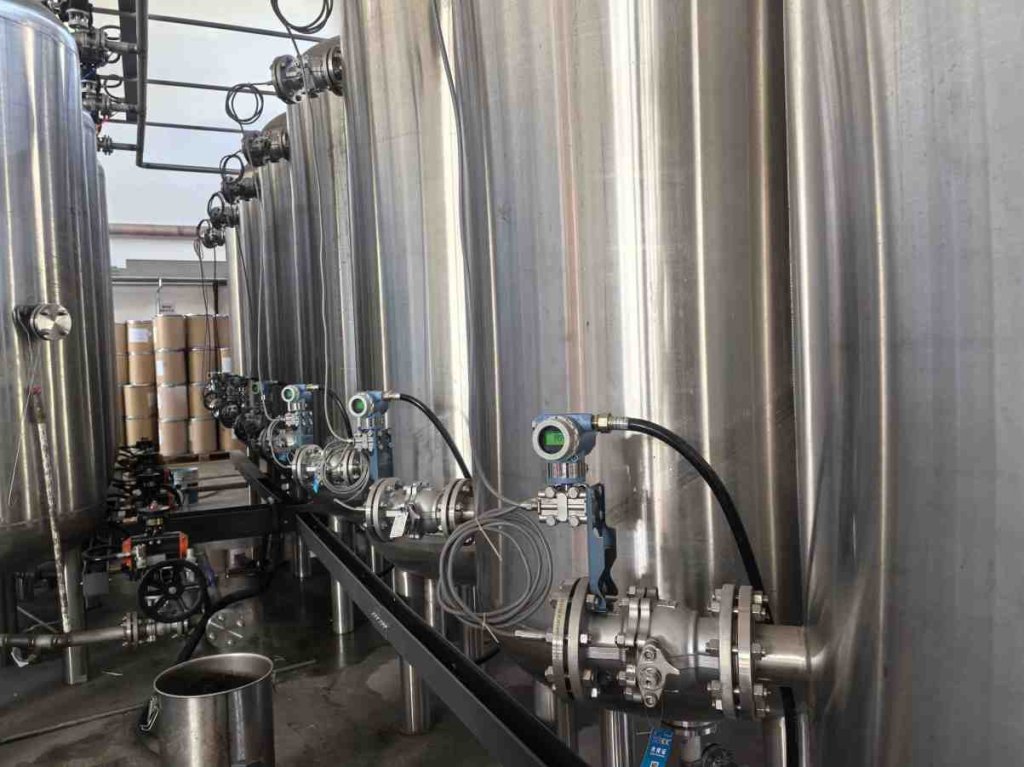
Hoje os painéis de controle de nível focam na flexibilidade. Eles encaixam em muitos tipos de transmissores, de RF para analógicos e digitais. Eles lidam com voltagens largas e bandas de frequência. Isso os torna úteis em todos os tipos de usos fábricos.
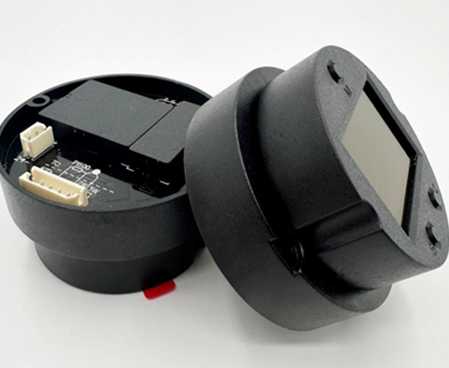
Por exemplo, nosso quadro de transmissão de nível capacitivo ICwalk H509 funciona bem em muitas áreas industriais. Estes incluem petróleo, químicos, comida, drogas, cuidados de água e gás natural. O conselho a habilidade em ligar com diferentes sensores mantém os sinais verdadeiros e baixo poder.
Quais fatores afetam o desempenho de um conselho de controle de níveis em ambientes diferentes?
Coisas como fluxos de temperatura podem agitar um plano de controle de nível. é estabilidade e velocidade. A alta humidade pode causar umidade nos circuitos. "Equipamento próximo" o buraco magnético pode interferir com o trabalho de sinais.
Bos escudos e disposições inteligentes combatem esses problemas. Pegue transmissor de nível capacitivo H509. Tem separação total com até 1000VDC isolamento entre sensor e circuito principal. Isso aumenta sua posição contra perturbações externas.
Desafios comuns no uso de conselhos de controle de nível para os transmissores
Quais são as questões típicas enfrentadas durante a instalação ou operação?
Em configuração ou execução, sintonização errada se destaca como um problem a superior. Se limites de ganho são t spot-on, os resultados vêem ou desaparecem. Resistência errada entre bordo e partes de transmissor também pode diminuir as coisas.
Os escudos de terra ruim ou fracos também trazem ruído. Esse ruído dificulta o sinal verdadeiro envia e prejudica a integralidade do sistema.
Como esses desafios podem ser abordados eficazmente?
Melhoras Práticas de Calibração:
Para os melhores resultados, usar ferramentas exatas para estabelecer limites de ganho na instalação. O H509 oferece um ajuste de três botões no local. Ela lida com espaço, zero, umidificação e recuso de dados. Isso torna a vida mais fácil para os tecnológicos do site.
Assurando Compatibilidade:
Verifique em frente que o painel’ a tensão, frequência e resistência correspondem ao seu transmissor. Os incumprimentos aqui causam um trabalho pobre ou um dano parcial.
Tecnicas de Redução do Ruído:
Um plano sólido com áreas especiales de solo corta a entrada de ruído. Caixas protegidas e fios adicionam guarda extra de ruído magnético externo.
Introdução da Solução do Conselho de Transmitidor de Nível da ICwalk
O que faz o ICwalk Level Transmitter Board uma escolha efetiva?
Na ICwalk, nossos painéis de controle de nível visam trabalhar fortemente em muitos tipos de transmissores. O transmissor H509 atinge alta precisão através da técnica Direct Digital Synthesis (DDS). Ele fornece medidas finas mesmo em pontos difíceis.
A construção flexível dá alta confiança, igualdade e estabilidade duradoura. Nossos painéis assistem em tempo real com ajustes de carro. Isso traz ação constante enquanto corta o uso de energia.
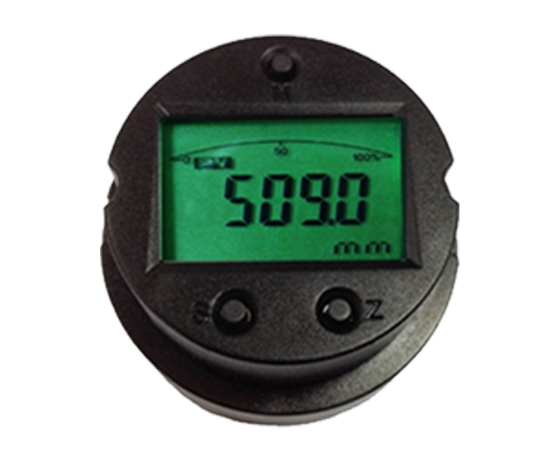
Com um display multifuncional LCD de emerald verde retroluminado, ele aparece at é quatro valores ao mesmo tempo. Isso facilita tarefas de campo. O H509 também tem toda a gravação e restauração de dados. Isso corta as necessidades de reparação a longo prazo.
Como o ICwalk apoia a Integração e Mantenimento?
Nós fornecemos guias claras que facilitam a configuração e montagem nos sistemas atuais. Para sensores de pressão ou metros de fluxo, nossa equipe tecnológica dá ajuda pessoal através de todo seu projeto.
Do petróleo e - gás para drogas, plantas elétricas e plataformas marítimas, nossos painéis vêem amplo uso em trabalhos industriais duros. Nosso software completo de configuração ajuda a sintonização e arranque de uma paragem. Faz o caminho do plano para o grande correr suave.
FAQ
Q: O que um painel de controle de nível faz em um sistema de transmissão?
A: Um painel de controle de nível monitora e ajusta o nível de sinal de saída de um transmissor para assegurar a estabilidade, reduzir a distorção e melhorar a eficiência geral.
Q: Posso usar um painel de controle de nível com transmissores analógicos e digitais?
A: Sim, a maioria das placas de controle modernas s ão projetadas para ser compatíveis com sistemas analógicos e digitais, mas é importante verificar especificações de tensão e frequência.
Q: Como sei se meu transmissor precisa de uma atualização do painel de controle de nível?
A: Se você está experimentando for ça inconsistente do sinal, aumento do consumo de energia, ou redução da qualidade da transmissão, pode ser tempo de considerar a atualização do seu painel de controle de nível para melhor eficiência e confiabilidade.
Postos relacionados
-
Qual é o papel que um nível de controle e controle de bordo desempenha na eficiência do transmissor?
Fevereiro 05,2026
-
Integrar sensores com um transmissor do Conselho de Controlo do Processo: As melhores práticas para transmissão de sinais confiáveis
30 de janeiro de 2026
-
Comunicador de Campo vs. Ferramentas Tradicionais de Mantenimento Manual em Mantenimento Industrial
29 de janeiro de 2026
-
Como é alcançado o processamento de sinais em direção ao fluxo de transmissores?
23 de janeiro de 2026
-
Que desafios são resolvidos usando painéis de pressão avançadas?
22 de janeiro de 2026