What Challenges Are Solved by Using Advanced Pressure Transmitter Boards?
The Role of Pressure Transmitter Boards in Modern Instrumentation
What Is a Pressure Transmitter Board and How Does It Function?
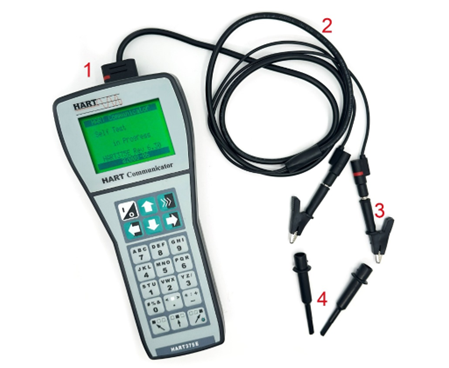
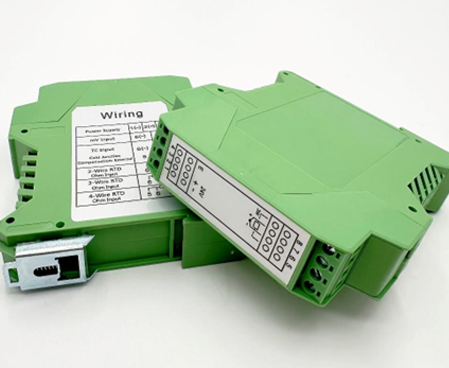
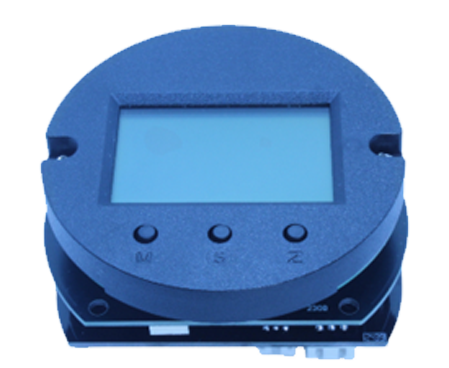
A pressure transmitter board serves as a vital part in today’s measurement setups, particularly in industrial and business tools. It acts as a smart link between a pressure sensor and the setup that handles or watches the information. In particular, a pressure transmitter board turns the basic output from a sensor into standard electrical signals. These include simple voltages, current loops (4–20 mA), or digital ways like I²C, SPI, HART, or MODBUS.
The transmitter board handles signal conditioning. This involves filtering, boosting, and adjusting for temperature. Such steps ensure precise and steady results.
Why Are Pressure Transmitter Boards Critical in Sensor Applications?
Pressure sensors by themselves give basic signals. These signals can be uneven or affected by outside changes. A pressure transmitter board fills this need. It allows for exact, firm, and dependable data output. These boards have built-in adjustment methods. They handle temperature shifts, sensor changes over time, and unwanted noise.
Signal conditioning in pressure transmitters means boosting, cleaning, straightening, and adjusting the basic sensor signal. This step guarantees correct readings. It cuts down on noise issues. It also considers things like heat variations. Plus, their fit with microcontrollers and PLCs makes setup easier. It changes tough sensing jobs into simple, ready-to-use options.

Key Challenges Addressed by Advanced Pressure Transmitter Boards
How Do These Boards Improve Signal Accuracy and Stability?
Modern pressure transmitter boards rely on fine analog-to-digital converters (ADCs), usually 24-bit ones. They lower signal noise and shifts over time.
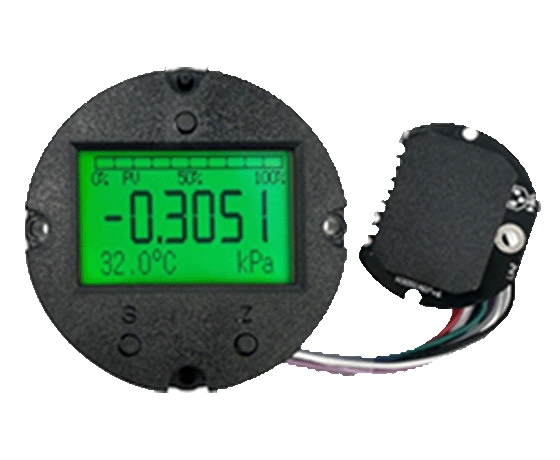
At ICwalk, we add special signal handling methods to our boards. These give ±0.1% accuracy, even in tough settings. Temperature compensation methods in our H3051 series handle 2 to 11 temperature points. They also manage 1 to 15 pressure points at each temperature. This leads to steady readings over a broad heat range. It keeps straight lines even under changing situations.
What Role Do These Boards Play in Harsh or Dynamic Environments?
Factory settings bring issues like electromagnetic interference (EMI), power spikes, water entry, and physical strain. Pressure transmitter boards for these spots need to be strong and long-lasting.
Coated with a protective layer, which can well stop harm to electronic parts from outside factors. Our boards also use strong TVS (Transient Voltage Suppressor) and magnetic beads. These cut down on-site disruptions. As a result, they offer upkeep-free work, even on sea platforms or power stations.
Can Pressure Transmitter Boards Help Reduce System Complexity?
Yes. Current transmitter boards, like the ones we provide at ICwalk, aim to cut system difficulty through various traits:
- Built-in calibration steps remove the need for outside calibration tools.
- Digital links such as I²C or SPI lessen the number of needed wires.
- Flexible shapes make them great for small sensors and built-in systems.
Full setup software and tools aid one-stop calibration and startup. They smooth your work flow from planning to large-scale making.
Application Scenarios Across Industrial Sectors
Where Are Pressure Transmitter Boards Commonly Used?
Industrial Automation Systems
In fields like oil & gas or chemical handling, exact pressure watching is key for safety and smooth running. Our boards allow precise control of movers. They change pressure shifts into clear electrical outputs.
HVAC and Environmental Monitoring Equipment
Our transmitter boards appear often in smart building setups. They control HVAC air flow, pipe pressures, and filter systems. They give instant feedback for best energy use.
Medical Devices and Laboratory Instruments
In key life tools like breathers or fluid pumps, dependability matters most. Our boards meet tight rules. They ensure steady work under shifting loads.
ICwalk’s Pressure Transmitter Board Solutions for OEMs and Manufacturers
What Makes ICwalk’s Pressure Transmitter Board Stand Out?
At ICwalk, we focus on strong transmitter boards made just for OEMs in tools and sensor making. Our transmitter boards are relied on by over 800 instrument makers in China. They have wide real-world testing. Our fixes come with better signal handling skills, many-point temperature adjustment, and flexible talk options.
Fully compatible with main protocols like HART and PROFIBUS-PA, our products meet world standards. This assures easy fitting and simple export.
Why Should Sensor Manufacturers Choose ICwalk’s Solutions?
Key Advantages of our H3051 series intelligent pressure transmitter boards:
- Small designs fit for built-in sensors or tiny transmitters.
- Low energy use with fine accuracy—perfect for battery-run tools.
- Adjustable software to back various factory protocols and output levels.
We back a broad set of sensors (pressure, temperature, level, flow). We also promise quick shipping via good stock management and two-way buying plans that avoid delays.

FAQ
Q: What is the difference between a pressure transmitter board and a pressure sensor?
A: A pressure sensor spots physical pressure changes. But it usually gives basic signals that need fixing. A pressure transmitter board handles these signals into useful electrical outputs fit for control setups.
Q: How do I integrate a pressure transmitter board into my existing system?
A: Most boards provide standard talk protocols like I²C, SPI, or simple voltage output. Fitting often means linking power lines, signal lines, and setting software if required.
Q: Can a single pressure transmitter board work across multiple sensor types?
A: Some better boards have adjustable settings to back different sensor kinds (e.g., piezoresistive or capacitive). But fit relies on input range and signal traits—always check details before fitting.