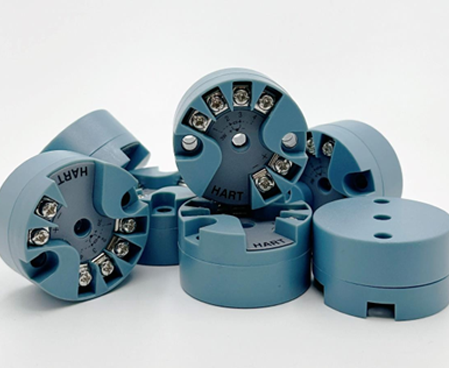
Why Pressure Transmitter Boards Are the Core of Modern Smart Pressure Instruments?
The Role of Pressure Transmitter Boards in Smart Pressure Instruments
How Do Pressure Transmitter Boards Enhance Instrument Functionality?
Pressure transmitter boards serve as the main electronic bases that change raw pressure signals into exact, clear data for industrial networks. They improve instrument performance by clever linking with digital communication standards like HART and PROFIBUS-PA. This provides steady and trustworthy data transfer among connected units.
These boards also carry out instant data handling and signal shift to keep measurement exactness steady even in changing process settings. The included microprocessors run complex calculations that clear out noise, adjust for heat shifts, and steady outputs. ICwalk’s protected signal handling and adjustment systems beat local rivals. They provide ±0.1% exactness in harsh situations.
In addition, current pressure transmitter boards add strong checks that keep watching instrument state. They spot sensor cuts, output irregularities, or adjustment slips early. This allows upkeep ahead of time before problems hit. Such skills boost system trustworthiness and reduce stoppages in key industrial areas like oil refineries or power plants.
Key Components of Pressure Transmitter Boards
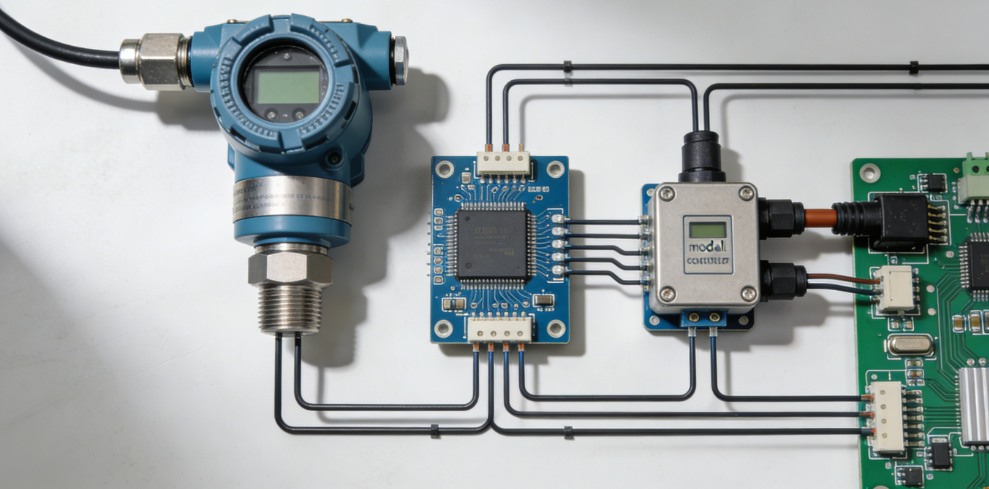
What Makes Up a Pressure Transmitter Board?
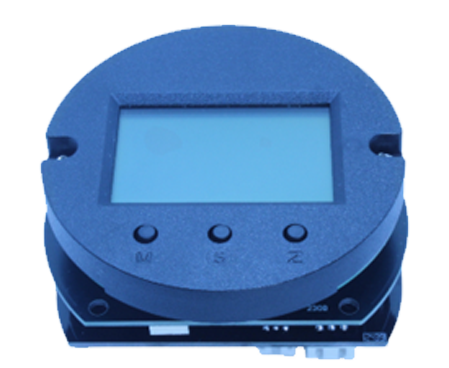
A pressure transmitter board includes a few main parts that work side by side to give spot-on measurements. The microprocessor acts as the board’s heart. It performs measurement calculations and handles talks with control networks. Sensors and transducers pick up physical pressure alterations in the process material—either gas or liquid. They turn these alterations into electric signals.
The analog-to-digital converter (ADC) changes these analog signals into digital info that the microprocessor can handle for exact output show. In ICwalk’s plans, detailed 24-bit ADCs are usually used to make sure better awareness and steadiness over a large set of working conditions. The H3051 papan pemancar tekanan series intelligent pressure transmitters have a 24-bit ADC resolution with an output rate of 10Hz. This ensures high exactness in active measurements.
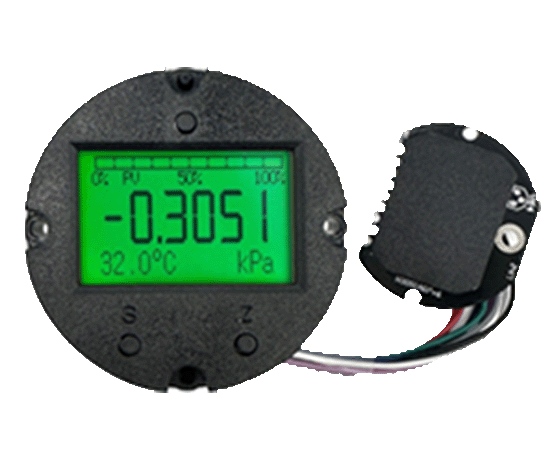
Extra parts cover temperature adjustment circuits, EEPROM memory for setup keeping, and guard items like TVS diodes that protect from electric disturbances.
How Pressure Transmitter Boards Enable Modern Smart Instruments?
Why Are Pressure Transmitter Boards Considered the Core of Smart Instruments?
Pressure transmitter boards are viewed as the center of smart instruments. This is because they combine sensing methods with digital know-how to offer exact instant views of industrial processes. Their power to handle tricky measurement info on site lessens need for outside controls. Meanwhile, it raises system quick response.
These boards make sure accurate readings with advanced temperature adjustment techniques. These techniques tweak zero points, spans, and straightness per surrounding changes. Their dependability straightly influences whole system safety and output. This makes them essential in smart automation setups where exactness counts most.
Enhancements Brought by Smart Technology to Pressure Instruments
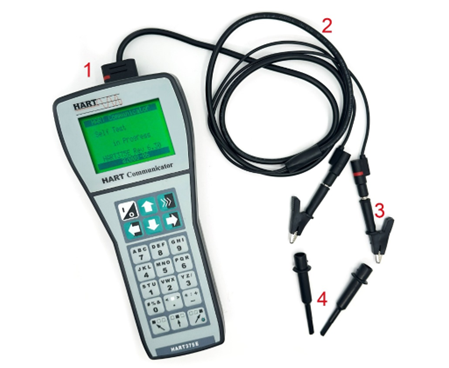
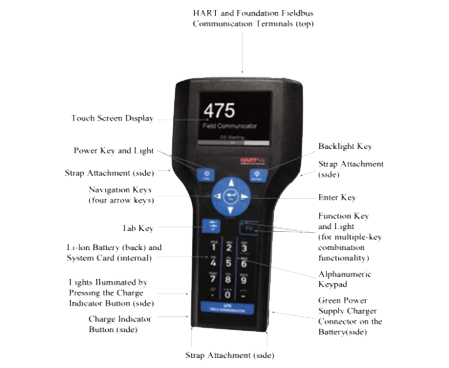
Smart technology has transformed pressure tools by adding digital connections that allow smooth links between field units and control networks. HART-supported talk lets engineers set transmitters from a distance using handheld tools or PC programs without halting work.
On top of that, gains in signal handling calculations have lifted measurement exactness and ongoing steadiness. Smart self-checks now let transmitters find issues on their own. This lowers the need for hands-on reviews. It also improves running dependability across fields from petrochemicals to water treatment sites.
Key Features and Benefits of Modern Pressure Transmitter Boards
What Features Make Modern Pressure Transmitter Boards Stand Out?
Current pressure transmitter boards excel due to their remarkable exactness, sturdiness, and flexibility for varied industrial tasks. They give strong awareness able to catch small pressure swings while keeping straightness over large spans.
ICwalk products succeed in high-disruption surroundings like oil platforms and power plants. This comes from MTBF levels that top usual marks. Also, their adaptable structure allows simple tailoring based on particular task needs. Thus, they act as flexible aids for current automation networks.

Benefits of Using Advanced Pressure Transmitter Boards
Taking up advanced transmitter boards offers clear running gains. These cover better output, safety checks, and cut upkeep costs. Instant watching skills let operators make ahead-of-time choices based on exact process input instead of fixing after breakdowns. Digital talk also eases adjustment tasks. Plus, it allows far-off checks via handheld talkers. This device is built for setting field instruments well on site.
By weaving these smart traits into smart networks, fields gain higher running times, better energy handling output, and steady product quality. All these are vital elements pushing ahead in today’s automated making surroundings.
ICwalk’ Kontribusi untuk Teknologi Transmitter Tekanan
How Does ICwalk Enhance the Functionality of Pressure Transmitter Boards?
Di ICwalk, the mission is to empower operations worldwide with reliable technologies that minimize downtime while maximizing productivity across more than 50 countries served globally. Through continuous R&D investment combined with patented algorithm innovations, our pressure transmitter boards deliver unmatched performance accuracy under challenging conditions.
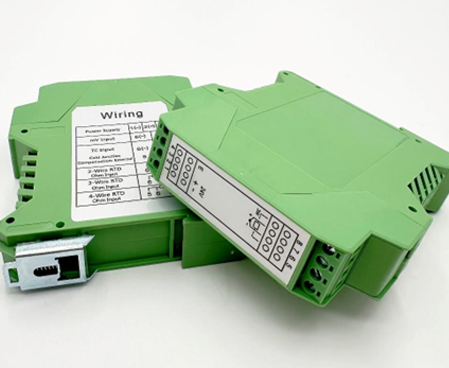
Our website showcases a comprehensive range of products including temperature transmitter boards, flow transmitter boards, level transmitter boards, and especially our flagship pressure transmitter board solutions designed for smart industrial applications. These products feature full compatibility with international standards like HART communication protocol ensuring seamless integration into existing automation infrastructures.
By combining innovation with practical engineering expertise we continue advancing smart instrumentation technology so that our customers can build reliable next-generation systems faster and smarter than ever before.
FAQ
Q: What Is the Lifespan of a Typical Pressure Transmitter Board?
A: The lifespan varies depending on environmental exposure levels such as temperature extremes or corrosive atmospheres. But it typically extends beyond ten years under standard operating conditions when proper installation practices are followed. Regular inspection helps maintain long-term stability.
Q: How Can I Ensure Accurate Readings from My Pressure Transmitter Board?
A: Accuracy depends on correct calibration procedures using certified reference equipment along with periodic verification checks during operation. HART-Tool configuration software provided by ICwalk allows flexible sensor configuration. This enables users to easily set ranges, zero points, and damping values.
Q: Are There Any Common Issues Faced with Pressure Transmitter Boards?
A: Common challenges include signal drift, electrical interference, or mechanical stress affecting sensor alignment. However, these can be mitigated through shielding, proper grounding, and regular recalibration schedules. ICwalk’s conformal-coated circuit design effectively prevents damage caused by external environmental factors. It provides robust protection against interference. This ensures stable operation throughout the lifecycle.
Posting terkait
-
Common Problems in Temperature Transmitter Boards and How Engineers Fix Them
March 19,2026
-
Faktor Apa yang Mempengaruhi Desain Papan Sirkuit Transmitter Tekanan?
Maret 13,2026
-
Mencapai Akurasi Tinggi dalam Pengukuran Aliran: Peran Papan Transmitter Aliran
Maret 06,2026
-
Why Pressure Transmitter Boards Are the Core of Modern Smart Pressure Instruments?
March 20,2026
-
Mengapa Kalibrasi Penting untuk Papan Transmitter Aliran yang Akurat?
Maret 12,2026