How Is Near Field Communication Used? Real-Life Examples You Should Know
How Is Near Field Communication Used in Everyday Devices?
NFC in Smartphones and Tablets
Near Field Communication (NFC) represents a wireless technology which enables device-to-device communication through short-range connections that operate at distances of a few centimeters. Smartphones and tablets use NFC technology to enable different operational features. Digital wallets including Google Pay and Apple Pay and Samsung Pay operate through contactless payment methods which use NFC technology for secure fast transactions. Users can make secure fast payments by placing their phones near compatible terminals.
Smartphones enable data transfer between devices through NFC technology which allows users to share photos and contacts by simply touching their devices together. Android devices with NFC capabilities enable users to transfer data between devices through Android Beam and comparable peer-to-peer services. NFC-enabled tablets serve dual purposes in retail settings by helping manage inventory and engage customers through tag scanning.
Wearables That Use Near Field Communication
The compact design of NFC technology has led wearable devices to adopt it for their user-friendly operation. The integration of NFC chips in smartwatches and fitness trackers and smart rings allows users to access mobile payments and transit access and smart lock unlocking features. Users can make payments at stores through their smartwatch by performing a wave motion in front of payment terminals instead of using their phone or wallet.
These wearables function as health monitoring tools which enable secure data transmission to medical devices and apps through NFC connections. Near field communication integration in wearables provides users with fast and easy operation.
What Are the Most Popular NFC Applications in 2025?

Contactless Payments and Digital Wallets
The use of contactless payments as a near field communication example continues to be widespread across the world in 2025. People choose phone and wearable tap payments instead of card swiping because these methods deliver better protection and quicker transaction speeds. Mobile wallets protect sensitive card information through encryption and tokenization which makes it hard for hackers to steal payment data.
Public Transportation and Smart Ticketing
The implementation of NFC-enabled transit systems by cities enables passengers to use their cards or smartphones for entry gate access. The systems decrease ticket counter delays while enhancing the speed of public transportation movement. Users can recharge their balances and plan their routes through mobile applications that are integrated into the system.
Hotel Room Access and Keyless Entry Systems
Hotels now employ NFC-enabled key cards and mobile applications which enable guests to access their rooms through phone contact with door sensors. The system enhances guest convenience while it decreases the need for hotel staff to handle physical keys.
NFC Tags for Quick App Launch and Automation
NFC tags function as low-cost passive components which start specific operations after an NFC-enabled device performs a scan. NFC tags serve as automation tools in residential and commercial settings because they activate car navigation apps when placed inside vehicles and trigger alarm systems through simple tap interactions before bedtime.
Can NFC Make Payments Safer and Faster?
Security Features of NFC Payment Systems
The security of NFC payment systems depends on three main layers which include tokenization and encryption and biometric authentication through fingerprint and facial recognition. The security measures prevent card number transmission during transactions which makes the system highly resistant to fraud.
Speed and Convenience in Retail Transactions
The payment process through NFC technology operates differently from chip-and-PIN systems because users need only tap their cards for instant transactions which take less than a minute. The payment method shortens checkout lines and provides customers with an enhanced shopping experience.
Comparing NFC Payments with Traditional Methods
NFC provides faster transaction processing with improved security measures compared to magnetic stripe cards and EMV chip cards. The system experiences reduced physical deterioration because users do not need to touch their devices to payment terminals.
How Do Smart Cities Use Near Field Communication?
NFC for Public Transport Integration
Smart cities implement near field communication examples through unified transport passes which enable seamless travel between buses and subways and trams to enhance public transportation efficiency. Digital wallets enable instant fare reductions which streamlines the process of traveling.
Smart Parking Solutions Using NFC
The integration of city apps with NFC-based parking meters enables drivers to locate available parking spaces. The payment process becomes instant when users tap their phone against the meter to avoid using coins or paper tickets.
City Infrastructure and Maintenance Tracking
Municipal workers perform asset inspections by using handheld readers or smartphones with NFC functionality to scan tags on streetlights and water meters which enables digital tracking of maintenance records.
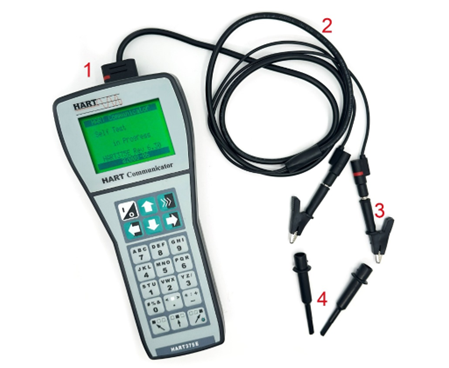
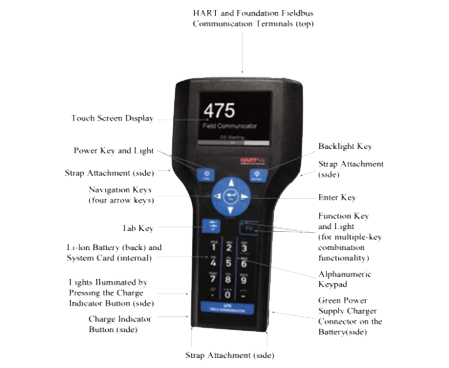
The H475 Komunikator Lapangan enables users to configure and troubleshoot HART fieldbus devices directly in the field environment. The system provides valuable functionality for smart city maintenance operations because it enables real-time diagnostic capabilities.
Enhancing Tourist Experiences with NFC-Enabled Kiosks
Tourist information kiosks with near field communication technology enable visitors to access maps and event schedules and restaurant recommendations through phone taps instead of app downloads.
Where Is Near Field Communication Used in Business and Industry?
Inventory and Asset Tracking with NFC Tags
The use of passive NFC tags by retailers enables real-time inventory tracking through handheld readers for product monitoring. The system reduces human mistakes while providing complete inventory transparency in warehouse operations.
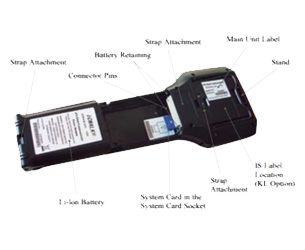
The internal flash memory contains the operating system and system software and it holds 1,000 sets of HART configurations. The H475 Field Communicator and other tools benefit from their ability to handle big industrial inventory management through their storage capacity.
Employee ID and Secure Access Systems
The implementation of NFC chip-enabled employee badges by corporations serves as a secure method to control building access. The NFC chip-based system enables employees to access buildings through badge tapping instead of traditional magnetic card swiping which extends badge lifespan.
Streamlining Event Check-Ins and Badging
Event organizers use NFC-enabled badges which attendees scan when entering to both check in automatically and gather precise real-time attendance statistics.
NFC in Healthcare for Patient Identification
Hospitals implement wristbands with near field communication chips that store patient records for authorized readers to access which improves safety through lower medication mistakes.
The H475 system enables users to establish water quality instrument parameters which results in precise measurement data. The solutions from ICwalk demonstrate our ability to serve healthcare organizations by integrating their monitoring equipment with precise measurement systems.
What Are the Benefits of Using Near Field Communication?
Simplicity and Ease of Use
The system operates through simple proximity-based functionality which eliminates the need for Bluetooth or Wi-Fi pairing procedures.
The system includes a complete Chinese menu which provides simple operation through its prompt system. The ICwalk H475 tool features an easy-to-use interface which simplifies operations at industrial sites.
Enhanced Security and Data Protection
The combination of hardware-based secure elements with encrypted transmission protocols protects near field communication data from unauthorized access which makes it suitable for applications that require high security such as banking and healthcare diagnostics.
The system performs self-diagnosis to detect both system failures and low voltage conditions which help maintain regular operation.
Versatility Across Multiple Industries
H475 uses its configuration and monitoring capabilities to track drug production sensors for GMP compliance in both retail checkouts and pharmaceutical manufacturing lines. The compact design of near field communication technology enables its easy transition between different industries because it provides substantial value while being small in size.
Who Is ICwalk and What Do We Penawaran?
Introducing ICwalk’s Role in NFC Technology
ICwalk provides industrial communication solutions that utilize HART protocol standards as well as modern technologies through near field communication integration points for automation system connectivity. Room 701, Power Creative A, No.1 Shangdi East Road, Haidian District Beijing 100085 China
What Is the Field Communicator and How Is It Used?
The portable H475 Field Communicator features a color LCD touch screen with bulk memory unit (FLASH) and built-in fieldbus communication capabilities. The device enables direct communication with instrumentation equipment through standardized HART protocols which work with instruments from any manufacturer for setup configuration and breakdown fault diagnosis. The H475 device enables technicians to access diagnostic information from instruments that have issues.
Other Innovative Products by ICwalk
The H475 communicator model USB232 HART modem functions as a USB interface which enables HART software to support desktop configuration workflows that work together with portable solutions for flexible deployment in laboratory and distant field environments.
How ICwalk Supports Smart Industry Solutions
The ruggedized design of ICwalk enables extended battery operation with 150-200 hours of runtime and multilingual menu options and shortcut keys for enhanced efficiency and support for multiple domestic and imported HART protocol instruments.
FAQ Section:
Q: What are some common examples of Near Field Communication (NFC) applications?
A: Common examples include mobile payments through Apps, public transport ticketing systems, hotel keyless entry systems using smartphones or smartwatches, and asset tracking in warehouses through tagged items.
Q: Is the use of NFC technology for financial transactions safe?
A: Yes, experts consider it secure. The system employs encrypted tokenization and fingerprint-based biometric authentication, providing significantly better security than traditional swipe cards, which are vulnerable to skimming attacks.
Q: Is it possible to replace my physical credit card with my smartwatch?
A: Absolutely! Modern smartwatches include NFC chips that enable users to connect their devices to digital wallet apps for contactless payments at any location that accepts tap-to-pay transactions.
Q: How does the ICwalk Field Communicator support modern smart industrial systems?
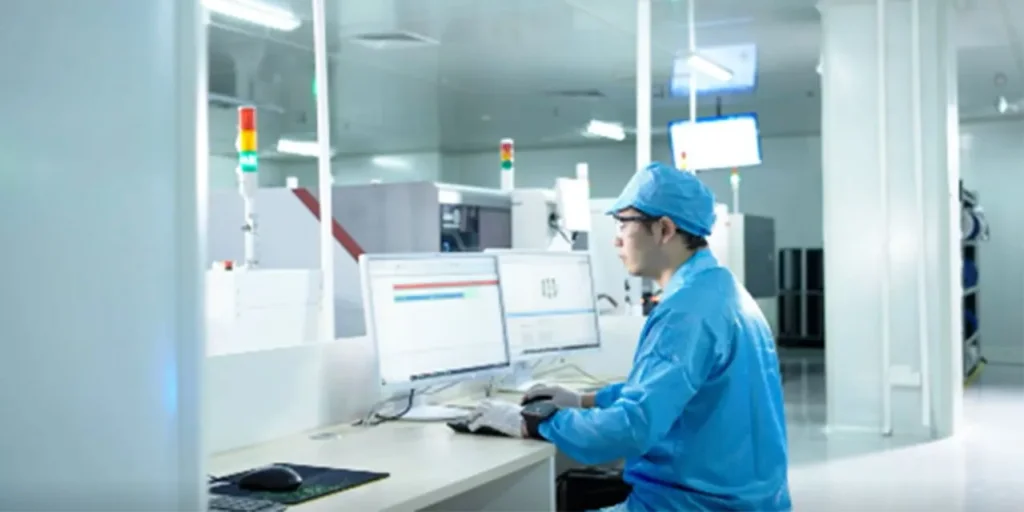
A: The ICwalk Field Communicator utilizes the H475 system to connect and configure devices through the HART protocol. This supports efficient diagnostic management across petrochemical plants, clean rooms, and water treatment facilities.
Q: Can ICwalk products be integrated into existing automation systems?
A: Yes. The H475 system enables users to integrate various HART instruments for stable operation within automated frameworks, whether you are upgrading existing equipment or implementing new installations.
Posting terkait
-
How Is Near Field Communication Used? Real-Life Examples You Should Know
March 26,2026
-
Faktor Apa yang Mempengaruhi Desain Papan Sirkuit Transmitter Tekanan?
Maret 13,2026
-
Common Problems in Temperature Transmitter Boards and How Engineers Fix Them
March 19,2026
-
Bagaimana pemrosesan sinyal dicapai dalam papan sirkuit pemancar aliran?
Januari 23,2026