Bagaimana Anda Memastikan Stabilitas Jangka Panjang dan Kompatibilitas dalam Transmitter Papan Kontrol Proses
Apa itu Transmitter Papan Kontrol Proses dan Mengapa Penting?
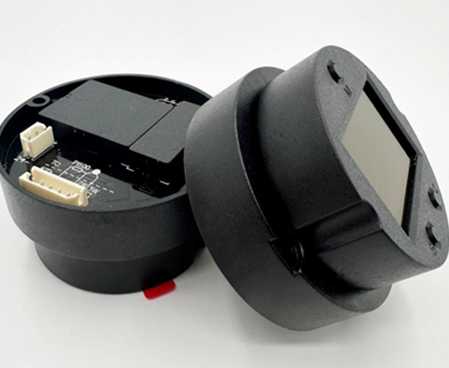
Dalam otomatisasi industri, akurasi dan kehandalan sangat penting. Pemancar papan kontrol proses melayani fungsi kunci dalam mencapai ini. Papan sirkuit yang kompak namun kuat ini berfungsi sebagai penerjemah antara sensor lapangan dan sistem kontrol yang mengawasi operasi. Mereka memastikan bahwa sinyal fisik - seperti suhu, tekanan, aliran, atau tingkat - secara tepat berubah menjadi sinyal listrik yang dapat ditafsirkan dan direaksi oleh mesin.
Bagaimana Transmitter Papan Kontrol Proses Bekerja?
Dibangun untuk mengubah input sensor menjadi sinyal yang dapat diandalkan – 4-20mA atau format digital seperti HART atau Modbus – pemancar papan kontrol proses menangani gerakan data melalui berjalan panjang dengan kerugian minimal. Dari pengukuran mentah – suhu, tekanan, gerakan – Mereka mengubah input fisik yang belum diproses menjadi output listrik yang konsisten. Setelah ditangani, hasil pindah langsung ke PLC atau DCS – Dari sana, staf dapat melihat dan menyesuaikan mereka segera.
Apa yang terjadi di sini sangat tergantung pada presisi. Untuk kinerja yang konsisten dari waktu ke waktu, keandalan ditambah integrasi mulus paling penting. Karena itu, membangun setiap pemancar dengan perawatan memastikan sinyal tetap dapat diandalkan – Meskipun perubahan lingkungan.
Mengapa Penting dalam Otomatisasi Industri?
Pemancar papan kontrol proses sangat penting untuk proses industri yang aman dan efektif. Mereka mengurangi kesalahan manusia dan meningkatkan efisiensi kerja. Dengan mengotomatisasi pengiriman data yang tepat dari sensor ke sistem kontrol, mereka memungkinkan pengambilan keputusan dan tweak instan tanpa membutuhkan keterlibatan praktis.
Pengiriman data yang lebih kritis dan andal menjamin kinerja sistem yang aman dan efisien. Apakah itu mengontrol suhu di fasilitas kimia atau menjaga tingkat air stabil di pabrik pengolahan, pemancar ini menjaga operasi yang lancar.
Faktor Apa yang Mempengaruhi Stabilitas Jangka Panjang dalam Transmitter Papan Kontrol Proses?
Bagaimana stres lingkungan mempengaruhi stabilitas?
Stres lingkungan menimbulkan salah satu risiko terbesar untuk daya tahan pemancar. Suhu tinggi, kelembaban, kotoran dan getaran fisik semua dapat mengganggu bagian elektronik yang halus seiring berjalannya waktu. Perumahan perisai dan tata letak sirkuit yang kuat membantu mengatasi masalah ini. Misalnya, papan pemancar tekanan ICwalk kami mencakup lapisan pelindung dan perlindungan TVS untuk menahan pengaturan yang keras di sektor seperti minyak & amp; gas dan farmasi.
Mengapa Kualitas Komponen Penting Untuk Stabilitas?
Dasar stabilitas abadi tergantung pada kaliber komponen yang dipilih. Resistor, kapasitor dan IC yang unggul meminimalkan drift dan tingkat kerusakan. Dalam papan pemancar ICwalk kami, kami menggabungkan elemen anti-gangguan tingkat atas seperti manik-manik magnetik dan EEPROM dengan ketahanan gangguan yang lebih baik untuk memastikan pengiriman sinyal yang dapat diandalkan.
Kontrol tegangan yang konsisten menjaga output sinyal yang stabil selama periode. Itulah sebabnya kami menambahkan modul regulasi daya yang tepat ke setiap papan yang kami buat.
Bagaimana kalibrasi dapat membantu menjaga akurasi jangka panjang?
Bahkan pemancar berkualitas tinggi memerlukan kalibrasi untuk tetap akurat. Kalibrasi rutin memperbaiki sensor drift dan pergeseran output. Beberapa papan kami memiliki opsi kalibrasi sendiri atau memungkinkan kalibrasi multi-titik melalui perangkat lunak pengaturan.
Pertimbangkan papan pemancar tingkat kapasitif H509 kami - menggunakan metode kalibrasi tiga tombol penuh di lokasi (yang bekerja dengan mode dua tombol dan mendukung saklar reed). Hal ini memungkinkan tugas seperti penyesuaian rentang, pengaturan nol, damping dan pemulihan data.
Bagaimana memastikan kompatibilitas dengan sistem lain?
Standar Komunikasi Apa yang Harus Didukung?
Integrasi sangat penting saat menambahkan pemancar baru ke pengaturan saat ini. Itulah mengapa papan ICwalk menangani berbagai protokol komunikasi: yang khas termasuk 4-20 mA, HART, Modbus dan output digital.
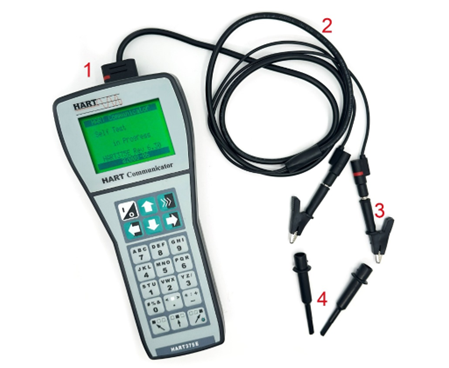
Kami memastikan papan kami sepenuhnya cocok dengan protokol populer seperti HART dan PROFIBUS-PA. Akibatnya, mereka bercampur dengan lancar dengan PLC, sistem DCS, atau platform SCADA di seluruh dunia.
Bisakah Papan Kontrol Proses Disesuaikan untuk Aplikasi Spesifik?
Ya, pasti! Di ICwalk, kami telah menyediakan lebih dari 200 solusi khusus untuk lebih dari 800 produsen - menyesuaikan aspek dari varietas input hingga operasi firmware.
Banyak papan menyediakan rentang fleksibel, format sinyal, atau pengaturan input. Apakah Anda membutuhkan perhitungan aliran khusus atau antarmuka tertentu untuk sensor yang tidak biasa, kami dapat menanganinya.
Temui ICwalk's Line of Process Control Board Transmitters
Apa yang Membuat Papan Transmitter Suhu ICwalk Terandal?
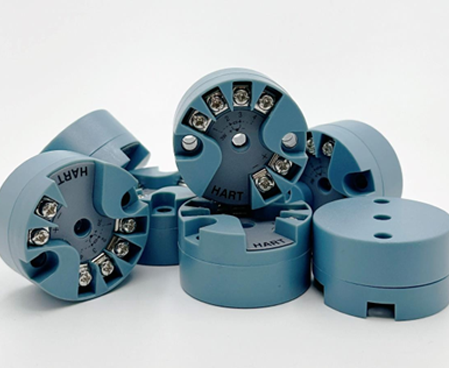
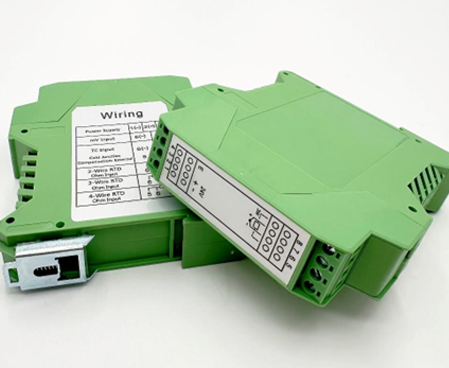
Kami pemancar suhu H648WD dewan unggul dengan fleksibilitas dan ketepatannya. Seri pemancar suhu terisolasi H648WD dibuat untuk menyesuaikan sinyal dari ThermoCouples (TC) atau Detektor Suhu Resistance (RTD) di lokasi. Ini mengubahnya menjadi output terisolasi arus 4-20mA linier yang sesuai dengan suhu.
Ini bekerja dengan berbagai sensor - dari Pt100 hingga termokopel seperti E, J, K - dan mencakup kompensasi simpang dingin untuk pembacaan yang benar dalam pengaturan yang beragam.
Bagaimana Papan Transmitter Tekanan menangani kondisi yang keras?
Papan pemancar tekanan H3051T3 kami dirancang untuk ketangguhan. Ini memiliki perlindungan anti-gangguan kelas militer, yang mencakup ancaman tegangan berlebihan, gelombang, elektrostatik dan petir. Selain itu, EEPROM memiliki tata letak anti-gangguan yang ditingkatkan ditambah kemampuan cadangan dan pemulihan data yang menyeluruh. Jadi, Anda dapat mengandalkannya untuk beroperasi secara andal selama bertahun-tahun.
Apa Manfaat Menggunakan Flow Transmitter Board dari ICwalk?
Papan pemancar float cerdas H8250FZ cocok dengan tugas gerakan cairan dengan baik. Ini menerapkan pemrosesan sinyal canggih untuk menghilangkan sinyal gangguan secara efektif. Hal ini memastikan hasil pengukuran tetap akurat. Dengan presisi hingga ±0,35%, ini bagus untuk fasilitas pengolahan air, pengaturan HVAC dan jalur pengolahan kimia.
Mengapa memilih Dewan Transmitter Tingkat Untuk Memantau Tingkat Tank?
Untuk pengukuran tingkat, pemancar tingkat kapasitif H509 kami berkinerja luar biasa. H509 menggunakan pengaturan pengukuran kapasitif, menawarkan kisaran 50PF hingga 5000PF dan resolusi 0,002PF.
Dengan tegangan isolasi penuh mencapai 1000VDC dan tampilan LCD berputar 360 derajat yang ramah pengguna, ini memberikan pembaruan tingkat hidup dengan gangguan rendah.
Bagaimana Anda Bisa Memperpanjang Umur Papan Kontrol Proses Anda?
Praktik pemeliharaan apa yang membantu menghindari downtime?
Pemeriksaan dan pembersihan reguler
Debu mungkin tampak kecil, tetapi dapat menyebabkan pemanasan berlebihan atau celana pendek listrik. Pemeriksaan visual memungkinkan Anda untuk menemukan masalah lebih awal.
Kalibrasi Periodik
Hal ini menjaga pembacaan yang akurat bahkan setelah penggunaan yang diperpanjang. Papan kami memungkinkan kalibrasi multi-titik sederhana melalui perangkat lunak atau tombol di lokasi.
Perlindungan Lingkungan
Pekerjaan rumah untuk menjaga terhadap kelembaban, bahan kimia, atau suhu yang parah. Kami juga menyarankan pelindung gelombang di daerah dengan kebisingan listrik.
Apakah Pembaruan Firmware Penting Untuk Kompatibilitas?
Peningkatan Dukungan Protokol
Pembaruan firmware menjamin kompatibilitas dengan sistem kontrol yang diperbarui dan standar baru.
Perbaikan Bug dan Peningkatan
Pembaruan firmware dapat meningkatkan presisi sinyal atau penggunaan daya yang lebih rendah. Di ICwalk, kami secara teratur mengeluarkan pembaruan berdasarkan masukan pelanggan dan perubahan permintaan industri.
FAQ (Pertanyaan umum)
T: Bagaimana saya tahu jika pemancar papan kontrol proses saya gagal?
J: Perhatikan pembacaan yang tidak teratur, masalah koneksi dengan sistem kontrol Anda, atau kehangatan aneh dari bagian papan.
T: Dapatkah saya menggunakan satu jenis papan pemancar di berbagai sensor?
A: Ini bergantung pada desain papan - beberapa, seperti papan ICwalk, cukup beradaptasi untuk menangani berbagai jenis sensor dalam kelompok (misalnya, termokopel yang berbeda).
T: Seberapa sering saya harus mengkalibrasi papan pemancar kontrol proses saya?
J: Untuk penggunaan industri khas, kalibrasi setiap 6-12 bulan disarankan - tetapi ini dapat berbeda berdasarkan kondisi sekitarnya dan seberapa sering digunakan.
Posting terkait
-
Cara Memilih Papan Transmitter yang Tepat untuk Kinerja Instrumen Maksimum
Februari 19,2026
-
Bagaimana Anda Memastikan Stabilitas Jangka Panjang dan Kompatibilitas dalam Transmitter Papan Kontrol Proses
Februari 12,2026
-
Bagaimana Sistem Tertanam Meningkatkan Fungsionalitas di Papan Transmitter Aliran?
Februari 06,2026
-
Peran Apa Papan Kontrol Tingkat Bermain dalam Efisiensi Transmitter?
Februari 05,2026
-
Mengintegrasikan Sensor dengan Transmitter Papan Kontrol Proses: Praktik Terbaik untuk Transmisi Sinyal yang Handal
Januari 30,2026