Achieving High Accuracy in Flow Measurement: The Role of Flow Transmitter Boards
The Role of Flow Measurement and Its Importance
What Is Flow Measurement and Why Does Accuracy Matter?
Flow measurement involves quantifying the motion of a fluid—whether gas or liquid—through a system. It holds a vital position in many sectors, including water treatment and oil and gas. There, precise flow rates guarantee safe operations, better efficiency, and adherence to rules.
Precise flow information supports process effectiveness, security, and following regulations. If flow measurement lacks precision, it might cause product waste from overflows or leaks. It could also lead to equipment failures that halt activities. Moreover, it may result in legal issues due to failing industry norms. In critical fields like pharmaceuticals or petrochemicals, such errors can bring substantial monetary setbacks and risks to safety.
How Do Flow Transmitters Contribute to Accurate Measurements?
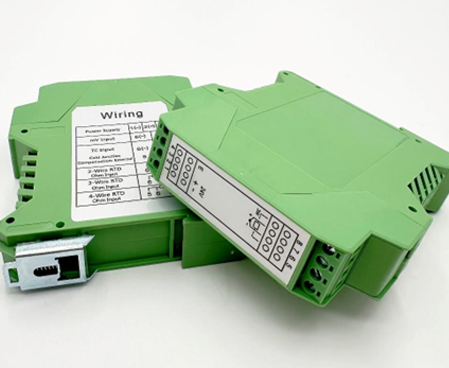
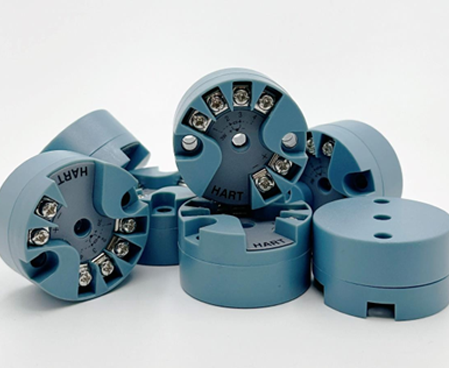
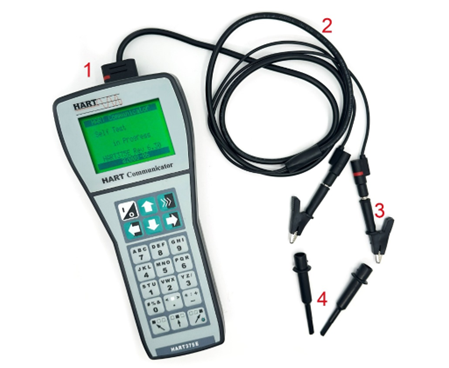
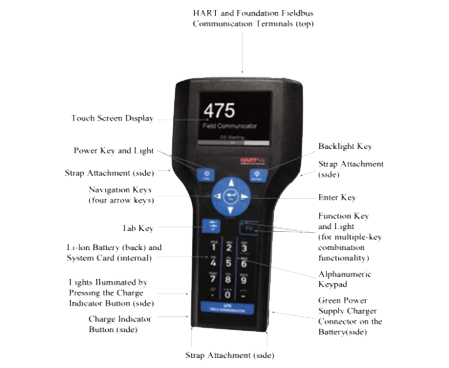
Flow transmitters are tools that receive input from flow sensors. They change these into standard outputs, like 4–20 mA or digital methods such as HART. Control systems then use these outputs to watch and adjust the process instantly.
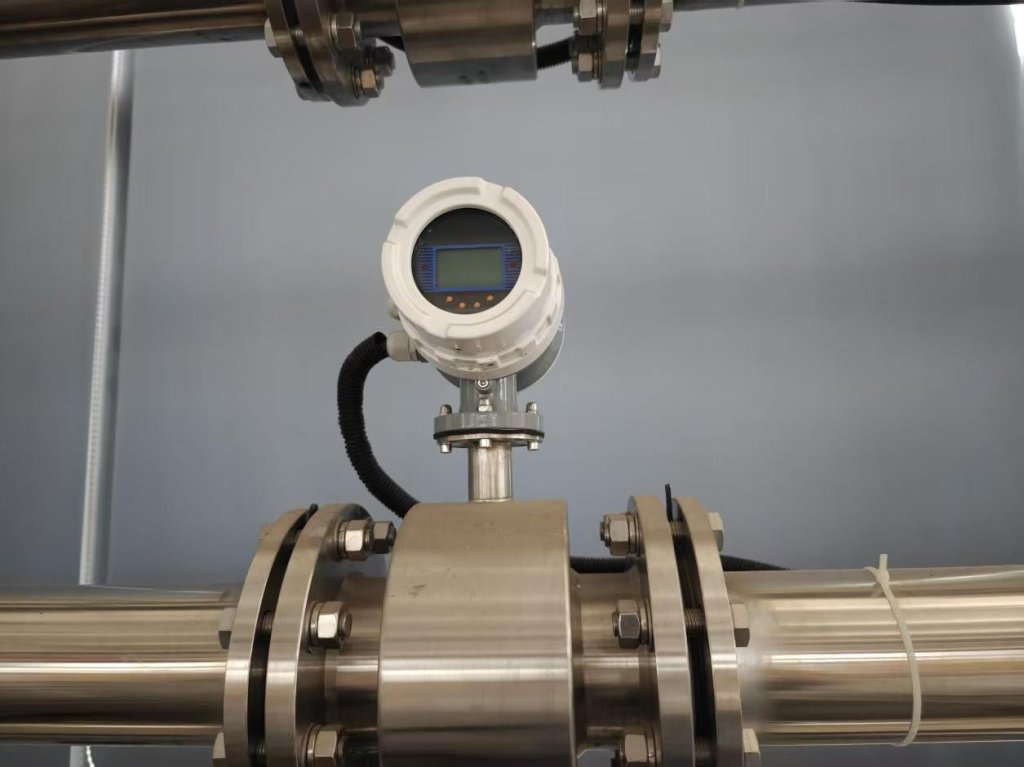
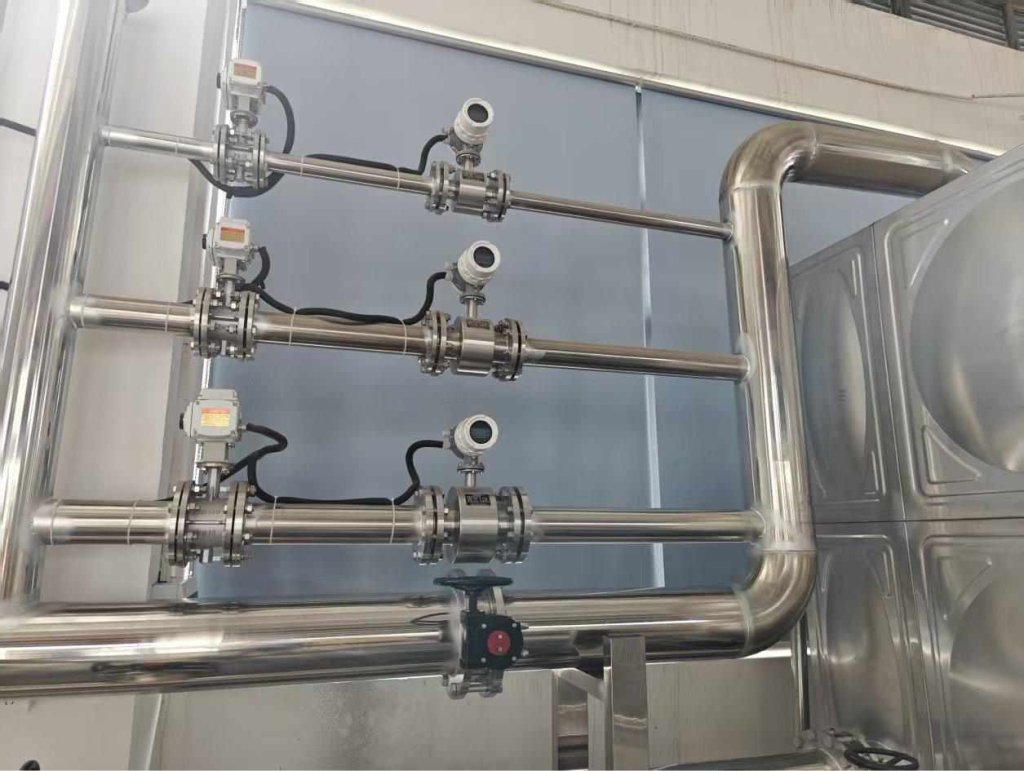
Flow transmitters turn sensor signals into standard outputs for oversight and regulation. They reduce signal disturbances and weakening over extended distances. Thus, data reaching control systems stays steady and trustworthy. This feature proves essential in vast industrial areas, where sensors might sit hundreds of meters from control centers.
Linking with control systems allows immediate choices based on reliable flow details. As a result, it supports timely actions, like tweaking pump rates or opening valves to keep ideal flow levels.
Exploring the Functionality of Flow Transmitter Boards
What Role Does a Dewan pemancar aliran Play in Measurement Systems?
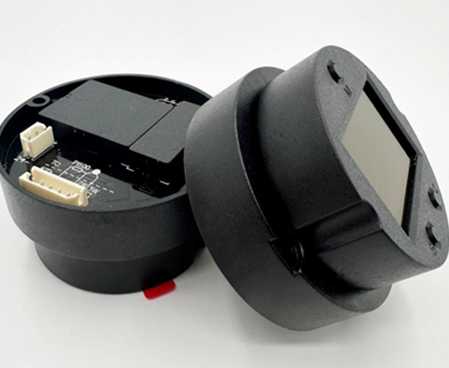
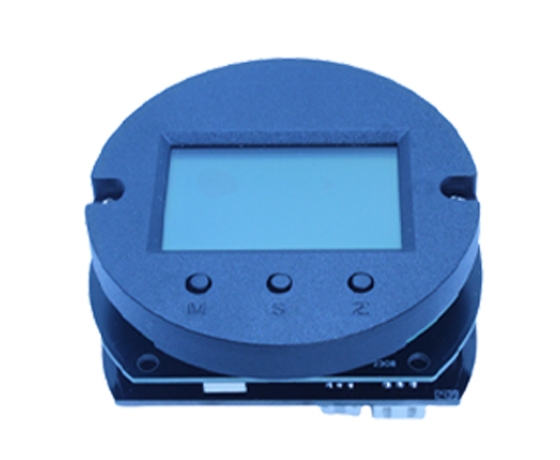
A flow transmitter board serves as a main electronic part in a flowmeter setup. It takes unprocessed signals from sensors and turns them into practical electronic outputs like ultrasonic, electromagnetic, or thermal mass types.
A flow transmitter board handles raw sensor data into useful electronic signals. This process includes signal adjustment, which removes disturbances. It also involves boosting faint signals and changing analog to digital (ADC) for connecting with digital setups.
These boards work with different communication methods, such as 4–20 mA, HART, or Modbus. Their flexibility fits them well for joining various industrial arrangements.
How Do Design Features Impact the Performance of a Flow Transmitter Board?
Several technical aspects shape a flow transmitter board’s effectiveness. High-detail ADCs are key for keeping signal quality, particularly with small flow changes.
Temperature adjustment circuits provide steady results in changing conditions. This matters a lot in outside or tough industrial spots, where heat shifts happen often.
The board’s physical arrangement counts too. A smart design cuts down electromagnetic interference (EMI), ensuring clear signal flow. Board arrangement influences EMI protection and total signal reliability.
Factors Affecting Accuracy in Flow Measurement Systems
What Environmental and System Variables Influence Accuracy?
Many outside elements can lessen the precision of a flow measurement setup. Heat shifts can impact the fluid’s traits and the sensor’s actions. Likewise, pressure changes modify the fluid’s density and speed.
Shaking or electromagnetic disturbances can warp signal delivery. In areas with much interference, like power stations or sea platforms, protection and strong builds are vital for dependable work.
How Can Calibration Improve Long-Term Measurement Accuracy?
Calibration matches the tool’s readings to recognized benchmarks, fixing shifts over periods. Regular calibration lines up device results with known benchmarks for steadiness. Field calibration permits tweaks for setup-specific factors, such as special pipe shapes or fluid mixes.
Some modern transmitter boards have self-check tools that aid in keeping precision between hand calibrations. Built-in automatic tests in advanced boards assist in upholding accuracy during intervals.
Enhancing System Reliability Through Smart Integration Techniques
How Can You Maximize Performance When Integrating a Flow Transmitter Board?
To get the best results during joining, make sure the flow transmitter board’s output style fits the control system’s input needs.
Employ protected wiring to cut interference in signal sending. This holds special weight in areas with electrical racket.
Additionally, site boards clear of strong-shake areas, like close to pumps or compressors. Keep boards distant from high-vibration spots to limit physical strain.
What Are Common Integration Challenges and How Can They Be Addressed?
Electrical Noise Interference
A frequent issue is electrical racket. To curb it, use paired signaling methods or light isolators that offer electrical separation.
Power Supply Instability
An uneven power source can cause ups and downs in output. Set up controlled power units with overload guards.
Communication Errors
Method mismatches often spark connection issues. Check method setups at startup to prevent mismatches.
Memperkenalkan Solusi Papan Transmitter Aliran ICwalk
Siapa yang ICwalk and What Sets Their Flow Transmitter Boards Apart?
ICwalk is a Beijing-based advanced tech company founded in 2007. We focus on transforming industrial automation via exact tools and smart process oversight solutions. Our transmitter boards use fast processors and quiet circuits to provide better precision in many uses.
Our offerings cover Vortex Flow Transmitter Boards, Ultrasonic Open Channel Flow Transmitter Boards, Micro-flow Metal-tube Flow Transmitter Boards, Intelligent Metal Tube Rotor Flow Transmitter Boards, and Electromagnetic Flow Transmitter Boards (E4000 Series).
Modular structure permits easy fitting into diverse flowmeter kinds. This flexibility supports smooth updates and replacements without big design shifts.
Why Choose ICwalk’s Flow Transmitter Boards for Your Application?
Our transmitter boards show wide sensor matching, backing ultrasonic, electromagnetic, vortex, and thermal mass tech. For instance, our E4000 Electromagnetic Flow Transmitter Board handles both 4–20mA analog output and digital methods like HART and MODBUS.
Included checks help spot issues early and plan upkeep. This cuts unexpected stops and lengthens gear life.
Small sizes suit them for upgrades and fresh setups alike. Quick shipping, thanks to our tough supply chain plan, keeps your efforts on schedule.
FAQ (Pertanyaan umum)
Q1: What is the difference between a flow meter and a flow transmitter board?
A: A flow meter is a device that measures the amount of fluid passing through it, while a flow transmitter board processes that raw measurement into an electronic signal that can be transmitted to control systems.
Q2: Can I use any flow transmitter board with my existing flow meter?
A: Not always—compatibility depends on sensor type, output format, power requirements, and communication protocols supported by both devices.
Q3: How do I maintain accuracy in my flow measurement system over time?
A: Regular calibration, using high-quality components like ICwalk’s transmitter boards, environmental monitoring, and proper installation practices all contribute to long-term accuracy retention.
Posting terkait
-
Achieving High Accuracy in Flow Measurement: The Role of Flow Transmitter Boards
March 06,2026
-
How to Choose the Right Temperature Transmitter Board to Improve Accuracy and Long-Term Stability?
February 26,2026
-
How High-Precision Pressure Transmitter Boards Improve Industrial Measurement Accuracy?
March 05,2026
-
How to Select the Right Transmitter Boards for Maximum Instrument Performance
February 19,2026
-
How Do You Ensure Long-Term Stability and Compatibility in Process Control Board Transmitters
February 12,2026