How to Select the Right Transmitter Boards for Maximum Instrument Performance
Transmitter Boards and Their Importance
What Are Transmitter Boards and Why Do They Matter?
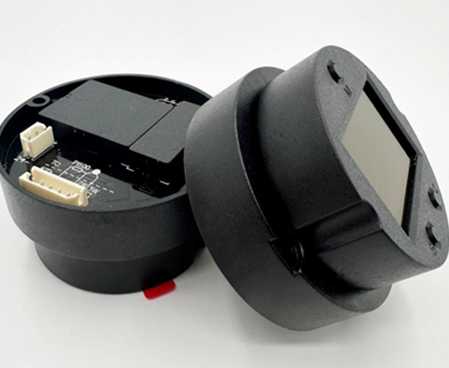
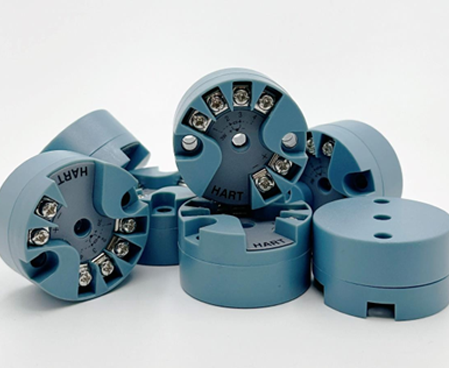
Transmitter boards form vital parts in industrial tools. They perform a precise task. This task involves turning raw data from sensors into standard electrical signals. These signals can be analog, such as 4–20 mA. Or they can be digital, like RS485 or HART. Control systems or monitoring devices then read these signals.
These boards matter because they keep measurements precise, steady, and dependable in many uses. They handle temperature, pressure, flow, and level readings. Thus, they make sure field data gets captured correctly. And it gets shared smoothly. Without such boards, your devices could suffer from mistakes, disturbances, and wrong interpretations. All this might harm safety or productivity.
How Do Transmitter Boards Improve Instrument Performance?
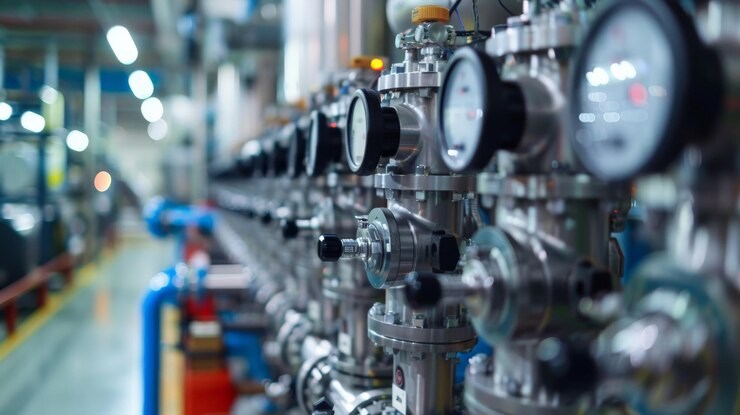
Transmitter boards boost device function in key ways by their build.
- They cut down on signal disturbances and electrical noise. This greatly raises measurement precision.
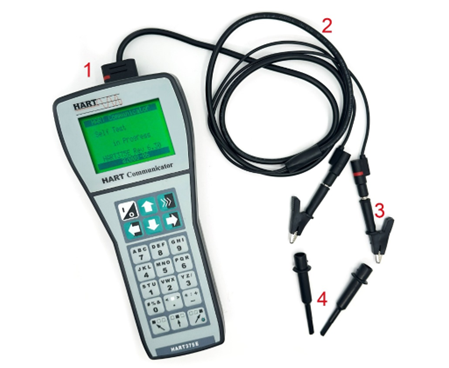
- They allow distant watching and handling through digital links like HART or Modbus.
- Many modern boards offer setup adjustments and checks. So, regular upkeep becomes simpler. And it cuts operational pauses.
The EEPROM features a stronger shield against disruptions. It also has full data saving and fixing options. As a result, it fully supports no-maintenance work in the field.
Key Factors to Consider When Choosing a Transmitter Board
What Should You Look for in a Quality Transmitter Board?
Above all, matching your sensor comes first. This applies whether you use RTDs, thermocouples, pressure sensors, or level probes. The board must fit the input signal kind.
Next, think about the output style — analog or digital — depending on your setup’s needs. Durability in tough settings counts too. For instance, will the board work in damp areas? Or in very hot or cold spots? Such factors decide how tough the board must be.
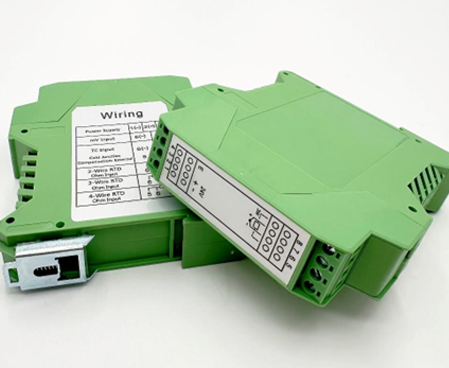
The H648WD series of isolated temperature transmitters are engineered to linearize signals from ThermoCouples (TC) or Resistance Temperature Detectors (RTD) in the field and convert them into a linear 4-20mA current isolated output that is proportional to temperature.
How Important Is Accuracy and Stability in Selection?
Very much so. Better precision gives stronger command over your operations — like blending substances or tracking liquid heights in tanks. Steady performance over periods also lessens the call for often recalibrations.
El diseño modular garantiza una alta fiabilidad, consistencia y estabilidad a largo plazo del producto.
span>
Why Does Response Time Matter in Some Applications?
In fast-changing setups like flow tracking or pressure handling, a sluggish reply can cause weak results or risky situations. Quicker boards grab instant shifts right away. This aids in making prompt changes.
Responds quickly to flow changes, enabling real-time and accurate reflection of the dynamic changes of fluid flow.
Exploring ICwalk’s Range of Transmitter Boards
What Makes ICwalk’s Products Stand Out?
At ICwalk, we mix exact crafting with everyday usefulness. Our placas transmisoras gain trust from more than 800 tool makers in China. They have broad real-use testing. We build them for easy fitting, strong endurance, and reliable work — regardless of the surroundings.
Totalmente compatibles con los protocolos principales como HART y PROFIBUS-PA, nuestros productos cumplen con los estándares globales, garantizando una integración sin problemas y una exportación fácil.
Temperature Transmitter Board by ICwalk: What Can It Do?
Our temperature transmitter options, such as the H648WD, are made to manage many kinds of RTD and thermocouple types. They provide high isolation voltage for protection.
H648WD series of isolated temperature transmitters are engineered to linearize signals from ThermoCouples (TC) or Resistance Temperature Detectors (RTD) in the field and convert them into a linear 4-20mA current isolated output that is proportional to temperature.
Ideal applications include HVAC systems, ovens in manufacturing lines, and environmental monitoring stations where precision thermal readings are crucial.
Pressure Transmitter Board: Where Is It Most Useful?
Nuestra Placas transmisoras de presión inteligentes de la serie H3051 shines in places needing steady pressure data amid changing conditions — such as hydraulic setups or oil pipelines.
H3051 series pressure transmitters are widely used in automatic control program like Water resources and hydropower, railway, building automation, aerospace, military project, petrochemical, electronic, marine etc.
They provide great resistance to interference. Plus, they allow flexible setup choices via our HART-Tool software.
Flow Transmitter Board: How Does It Help with Fluid Monitoring?
Our vortex flow transmitter line, like H880TH, is built for solid work with different fluids and gases.
H880BR is a vortex flowmeter card that is battery-powered and equipped with RS485 communication, which includes Real-time Automatic Gain Control(RAGC) and Self-adaptive Spectrum Filtering(SSP) technologies.
These prove extra helpful in fields like chemical handling or waste water care. There, correct flow info ensures rule-following and good output.
Level Transmitter Board: Why Is It Essential for Storage Systems?
For level checking tasks, our capacitive level transmitter H509 gives fine detail with little upkeep.
The H509 capacitive level transmitter serves as the core component of a level gauge. It is a measuring instrument used in the construction of level gauges that are designed to determine the height of liquids or solid materials.
It’s particularly useful in oil tanks, water reservoirs, or chemical silos where level control prevents overflows or shortages.
Matching the Right Board to Your Application Needs
How Do You Choose the Right Type of Board for Your System?
Consider These Factors:
Begin by noting what you measure — temperature, flow, level, or pressure. Then pick a board that gives the proper output kind (4–20 mA, digital RS485, etc.). Lastly, factor in site limits like working heat range or moisture levels.
Match Sensor Compatibility:
Confirm the board backs your exact sensor type — be it a Pt100 RTD or a capacitive probe.
Evaluate Installation Requirements:
Examine sizes, fitting styles, and cable setups. Certain uses might need small boards or DIN-rail mounts.
Common Mistakes to Avoid When Selecting a Transmitter Board
Are You Overlooking Compatibility Issues?
A major slip is linking a sensor to a mismatched board. Wrong signal matches can bring faulty data or setup faults. So, always review sensor-input details and output signal types prior to buying.
Is Cost More Important Than Performance?
Sure, cutting initial costs appeals. Yet, low-price transmitter boards usually miss traits like better setup tools or firm guards against disruptions. This often results in bigger ongoing expenses from repair needs.
Have You Considered Future Upgrades?
Selecting expandable choices like ICwalk’s transmitter boards means you can add fresh tech later without swapping your whole setup. Thanks to unique methods and steady research, our options keep you current with field shifts.
Preguntas frecuentes
Q: What is the difference between analog and digital transmitter boards?
A: Analog boards output continuous signals like 4–20 mA or 0–10V, while digital boards use protocols like Modbus or CANbus for data transmission.
Q: Can I use one transmitter board model across multiple sensor types?
A: Not always — each transmitter board is typically designed for a specific sensor type (e.g., temperature vs pressure), so it’s important to match them correctly.
Q: How do I know if my transmitter board is working properly?
A: Check signal consistency using a multimeter or diagnostic software; also look for LED indicators on the board if available. Some ICwalk products support data backup and recovery features for restoring factory settings when needed.
Publicaciones relacionadas
-
How to Select the Right Transmitter Boards for Maximum Instrument Performance
February 19,2026
-
How Do You Ensure Long-Term Stability and Compatibility in Process Control Board Transmitters
February 12,2026
-
How Do Embedded Systems Enhance Functionality in Flow Transmitter Boards?
February 06,2026
-
What Role Does a Level Control Board Play in Transmitter Efficiency?
February 05,2026
-
Integrating Sensors with a Process Control Board Transmitter: Best Practices for Reliable Signal Transmission
January 30,2026